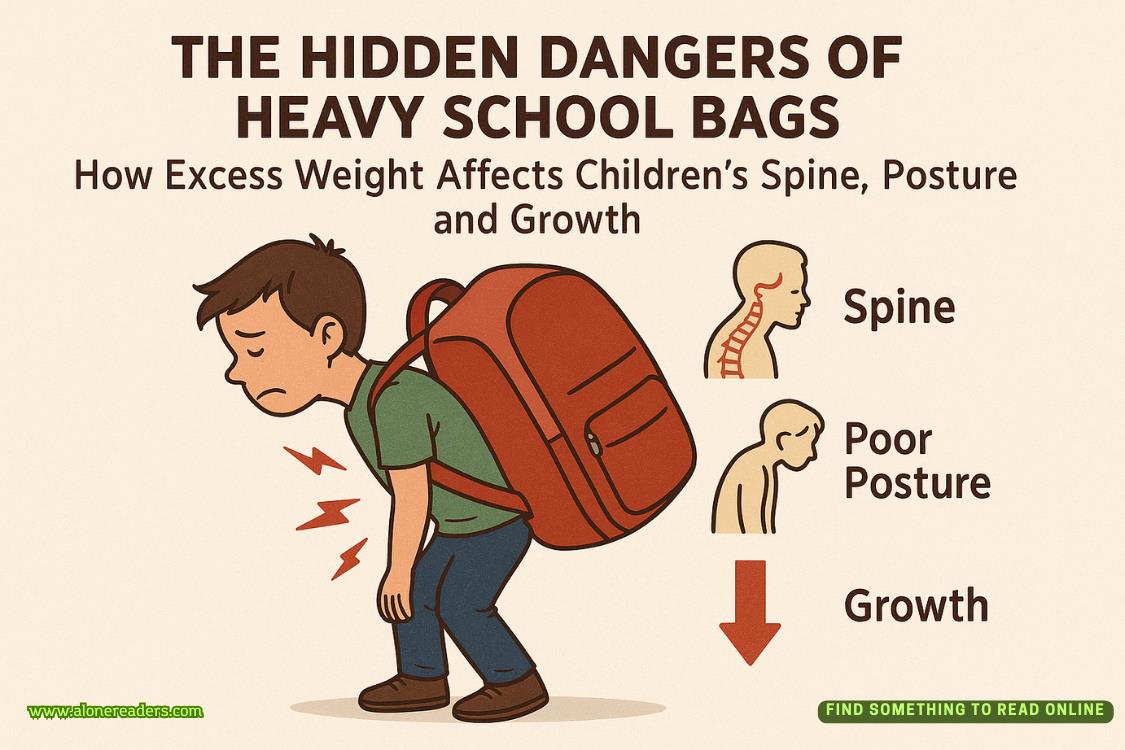
Children often carry school bags that are far heavier than what their growing bodies can safely handle. While parents and teachers may dismiss this as an inevitable part of schooling, medical research shows otherwise. Children’s bones are softer, their muscles and ligaments are weaker, and their spinal growth plates are highly sensitive. Carrying heavy bags every day doesn’t just cause temporary discomfort—it can leave lasting effects on posture, spinal health, and overall growth.
Muscle and ligament strain
A heavy load places excessive stress on back and shoulder muscles. Repeated strain can cause chronic tension in the paraspinal muscles, leading to persistent pain in the neck, shoulders, and lower back. Children may experience lumbar strain, which is especially harmful during years of rapid skeletal growth.
Postural deformities
Carrying a school bag improperly—especially on one shoulder—can cause uneven stress on the spine. This can gradually push the body toward abnormal postures:
These conditions may not appear suddenly but can develop subtly over years, making them harder to correct later.
Impaired spinal growth
The vertebrae of children are still developing. Excessive and repetitive load may interfere with natural spinal alignment and growth plate development. Over time, this may result in permanent structural imbalance.
Brachial plexus compression
The brachial plexus is a network of nerves that runs from the neck through the shoulder, controlling arm movement and sensation. When bag straps dig into the shoulders, they exert pressure on this nerve bundle. Prolonged compression can cause:
In severe cases, chronic nerve irritation may hinder fine motor skill development, affecting writing and classroom performance.
Changes in walking pattern
Children carrying excess weight often shift their gait to maintain balance. This unnatural walking style can strain hip, knee, and ankle joints, increasing the risk of joint misalignment and even early arthritis in adulthood.
Reduced concentration in school
Carrying heavy bags daily leaves children physically drained before they even reach the classroom. This fatigue reduces concentration, classroom engagement, and overall academic performance.
Interference with growth and development
When the body diverts energy to cope with constant musculoskeletal stress, natural growth and development may be slowed. Over time, this can affect height, muscle tone, and general stamina.
Weight guidelines
The weight of a school bag should not exceed 10–15% of the child’s body weight. For example, a child weighing 30 kilograms should carry no more than 3–4.5 kilograms.
Backpack design
Carrying method
Exercise and activity
Regular exercise builds muscle strength to better support the spine. Children should engage in 30–45 minutes of physical activity daily, such as running, swimming, or stretching. Rest breaks should be encouraged during long walks to school.
Pain management
For acute pain, physiotherapists recommend hot packs, ultrasound therapy, or transcutaneous electrical nerve stimulation (TENS). In some cases, short-term use of pain relievers may be necessary.
Corrective exercises
Special stretching and strengthening routines can restore balance and posture, including:
Posture training
Children should practice posture correction in front of a mirror. Schools can introduce posture awareness sessions to reinforce healthy carrying habits.
Rehabilitation counseling
Parents should inspect school bags daily and remove unnecessary materials. Teachers should advocate for classroom lockers, digital books, or flexible schedules to reduce daily load. Doctors and physiotherapists can guide families on customized corrective strategies.
Heavy school bags are not just a nuisance—they represent a silent but serious health hazard for children. The long-term answer lies in systemic changes:
A heavy school bag may seem like a simple inconvenience, but its consequences can last a lifetime. Chronic pain, postural deformities, and growth impairment are avoidable if children are taught safe carrying techniques and supported with proper school infrastructure. With joint awareness from parents, teachers, and healthcare professionals, children can be spared this silent health risk and given the chance to grow with healthy spines, strong muscles, and confident posture.



 The Power of Positive Thinking: How to Cultivate Optimism for Lasting Success
 Mindfulness Practices to Enhance Mental Health: Science-Backed Techniques for Emotional Resilience
 Pavlova Christmas Tree – A Light, Festive & Stunning Holiday Dessert
 Sticky Glazed Christmas Chicken – A Sweet and Savory Delight for the Holiday Table
 Gingerbread Biscuits and Cakes – A Complete Festive Recipe Guide
 Beef Wellington – A Masterpiece Main Dish for Special Occasions










