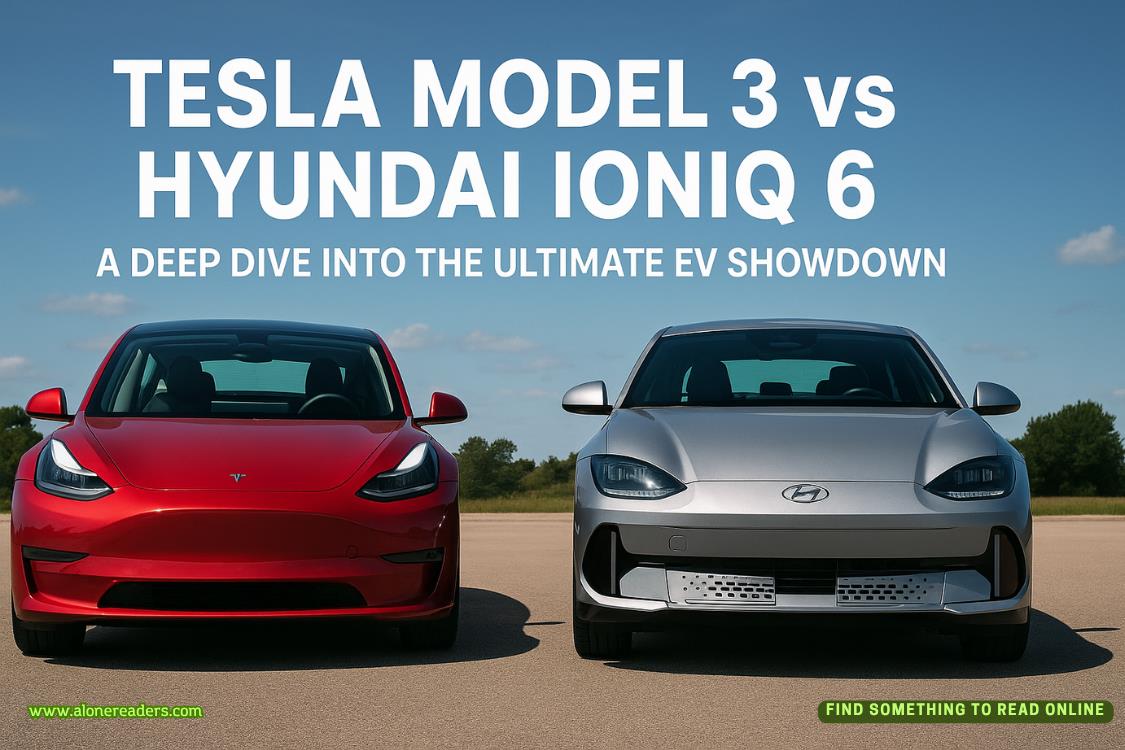
The electric vehicle (EV) market has evolved beyond niche curiosity into mainstream competition, and few matchups capture that transformation better than the Tesla Model 3 and Hyundai Ioniq 6. Both represent the pinnacle of mid-size electric sedans, combining performance, range, and technology into sleek, aerodynamic packages. Yet, they cater to subtly different philosophies—Tesla focusing on minimalist technology and network integration, while Hyundai emphasizes design finesse, craftsmanship, and user comfort. This detailed analysis unpacks which of these two EVs truly deserves the crown.
Powertrain Options and Acceleration
The Tesla Model 3 lineup offers three trims: Rear-Wheel Drive (RWD), Long Range Dual Motor, and Performance. The Performance variant produces up to 460 hp, launching from 0–100 km/h in just 3.1 seconds—making it one of the quickest sedans under $100,000 AUD. The instant torque delivery, paired with Tesla’s precise traction control system, ensures a thrilling yet predictable driving experience.
In contrast, the Hyundai Ioniq 6 also features RWD and AWD configurations. Its top-spec AWD model outputs around 320 hp with 605 Nm of torque, completing the 0–100 km/h sprint in about 5.1 seconds. While not as blistering as the Model 3 Performance, Hyundai tunes the Ioniq 6 for smoother acceleration curves and everyday usability rather than outright aggression. The ride feels composed and confident, especially with its low center of gravity derived from Hyundai’s E-GMP platform.
Ride Quality and Handling
Tesla’s steering feels sharp and responsive, favoring a sportier character. However, it transmits more road feedback compared to the Hyundai, which absorbs bumps more effectively. The Ioniq 6’s suspension tuning prioritizes comfort without compromising stability, making long-distance drives notably serene. While Tesla feels like a high-strung athlete, Hyundai behaves more like a refined tourer.
Battery Options and Real-World Range
Range anxiety remains one of the key considerations for EV buyers. Tesla continues to hold a slight edge, especially in real-world efficiency. The Model 3 Long Range version offers an estimated 602 km WLTP range, while the base RWD achieves around 513 km. Hyundai’s Ioniq 6 Long Range RWD closely matches it with a 614 km WLTP range—impressive given its slightly larger and heavier build.
Charging Infrastructure and Speed
Tesla’s biggest advantage lies in its proprietary Supercharger network. With thousands of high-speed stations globally, Tesla owners can recharge from 10% to 80% in roughly 25 minutes at a 250 kW Supercharger. The seamless plug-and-charge integration makes the process almost effortless.
Hyundai supports up to 350 kW DC fast charging, theoretically capable of recharging from 10% to 80% in just 18 minutes on compatible ultra-fast chargers. However, real-world access to such infrastructure is still limited compared to Tesla’s widespread network. In Australia, Ionity and Chargefox are expanding, but they’re not yet as reliable or ubiquitous as Tesla’s ecosystem.
Cabin Philosophy
Tesla’s cabin design is famously minimalist—dominated by a single 15-inch central touchscreen. There are no physical buttons, and even essential functions like adjusting mirrors or vents are managed via digital menus. While this minimalism feels futuristic, it may not appeal to everyone; some drivers find it distracting to access controls through multiple screen layers.
In contrast, Hyundai adopts a more traditional yet elegant approach. The Ioniq 6 interior features a dual 12.3-inch display setup—one for the instrument cluster and one for infotainment—supported by tactile buttons for essential functions. The cabin feels warmer, more ergonomic, and crafted with premium materials. Ambient lighting, recycled fabrics, and subtle curves create a lounge-like atmosphere rather than a cockpit.
Seating and Space
Both sedans seat five, but Hyundai wins in rear comfort. The Ioniq 6’s extended wheelbase (2,950 mm vs. Tesla’s 2,875 mm) offers superior legroom and a more reclined seating posture. Its sloping roofline doesn’t severely impact headroom, thanks to intelligent seat positioning. Tesla’s front seats are supportive but firmer, catering more to spirited driving. In everyday comfort, Hyundai edges ahead.
Infotainment Experience
Tesla’s infotainment remains a technological marvel. Its central display integrates navigation, media, vehicle settings, and even entertainment features like Netflix and video games. The user interface is fluid and continuously updated via over-the-air (OTA) software improvements. Voice recognition is excellent, and the navigation system optimizes routes for Supercharger access—a feature Hyundai still trails behind.
Hyundai’s infotainment system is more conventional but highly functional. It supports both Apple CarPlay and Android Auto (wired in some trims, wireless in others), while Tesla still does not. The Ioniq 6’s interface is responsive and logical, appealing to users who prefer familiarity over Tesla’s futuristic abstraction.
Driver Assistance and Autonomy
Tesla’s Autopilot and Full Self-Driving (FSD) Beta represent the most advanced semi-autonomous systems available to consumers. The system handles lane centering, adaptive cruise, and limited self-navigation with exceptional precision, though it still requires driver supervision.
Hyundai’s Highway Driving Assist 2 (HDA2) combines adaptive cruise control with lane-keeping, performing impressively on highways but lacking the predictive intelligence and mapping depth of Tesla’s FSD. Nonetheless, HDA2 feels smoother in traffic transitions and less abrupt in acceleration or braking—indicating Hyundai’s refinement in user comfort.
Exterior Styling
The Model 3’s design remains understated, prioritizing aerodynamic efficiency over flair. Its smooth, rounded silhouette and clean surfaces minimize drag, achieving a coefficient of 0.23 Cd. However, after several years on the market, it now feels somewhat familiar.
The Ioniq 6, by contrast, embraces a bold, retro-futuristic design inspired by streamliner cars of the 1930s. Its teardrop shape gives it an even lower drag coefficient (0.21 Cd), making it one of the most aerodynamic production vehicles in history. Distinctive pixel-style lighting, a ducktail rear spoiler, and sweeping curves make the Ioniq 6 instantly recognizable—a visual statement against Tesla’s minimalism.
Storage and Cargo
Tesla provides superior trunk space, offering 561 liters combined (front and rear). The front “frunk” adds a useful 88 liters, ideal for smaller items. Hyundai’s sloping rear limits trunk height, resulting in about 401 liters total. However, its wide opening and split-folding seats improve flexibility for long items.
Software Ecosystem and App Control
Tesla’s mobile app integration is unmatched. From preconditioning the cabin to remote start, location tracking, and software updates, the Tesla app feels like an extension of the car itself. The Hyundai app (Bluelink) offers many similar features—remote lock/unlock, climate control, charge scheduling—but lacks Tesla’s speed and polish.
Pricing Overview
In Australia (as of late 2025), the Tesla Model 3 RWD starts around AUD $61,900, with the Long Range at approximately $71,900 and the Performance variant near $82,000. The Hyundai Ioniq 6 Dynamic RWD begins at roughly $65,500, while the AWD Techniq and Epiq trims range between $74,000 and $82,000.
Running Costs and Warranty
Both vehicles qualify for EV incentives in several states, and running costs are nearly identical—electricity is far cheaper than petrol, and maintenance is minimal. Hyundai offers a five-year unlimited-kilometer warranty with eight years on the battery, whereas Tesla provides a four-year vehicle warranty and eight-year battery coverage. Hyundai’s longer coverage and local service accessibility enhance peace of mind for Australian buyers.
Choosing between the Tesla Model 3 and Hyundai Ioniq 6 depends on your priorities.
Ultimately, if driving excitement and seamless charging are your focus, Tesla remains king. But if elegance, comfort, and refinement guide your choice, the Hyundai Ioniq 6 reigns as the more mature, emotionally appealing contender in the electric sedan race.



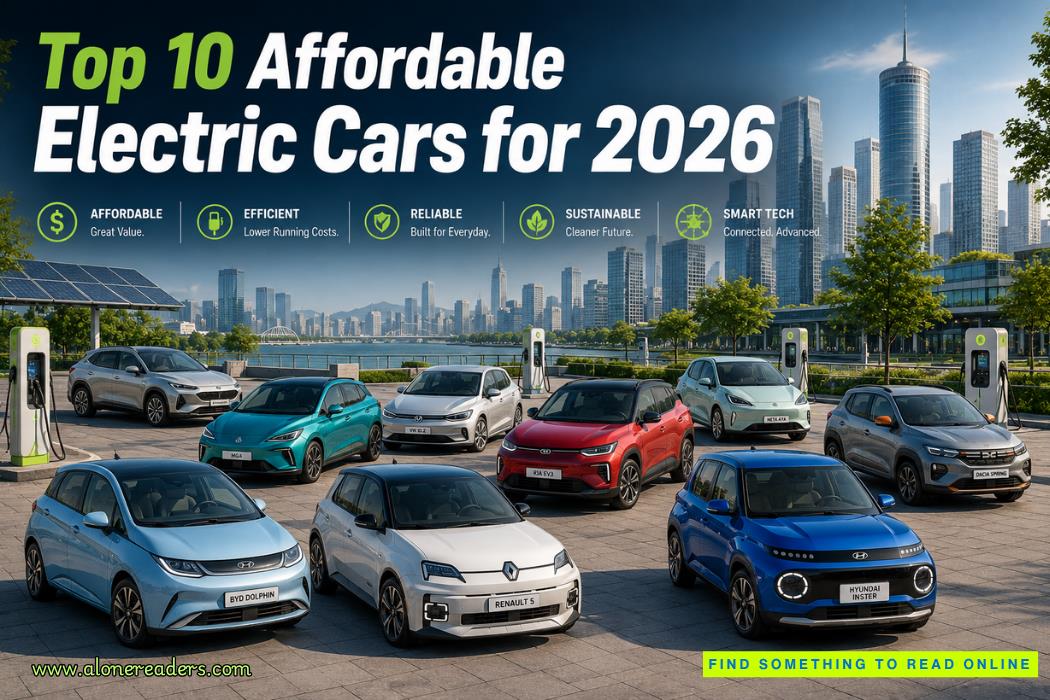 Top 10 Affordable Electric Cars for 2026: Best Budget EVs Worldwide
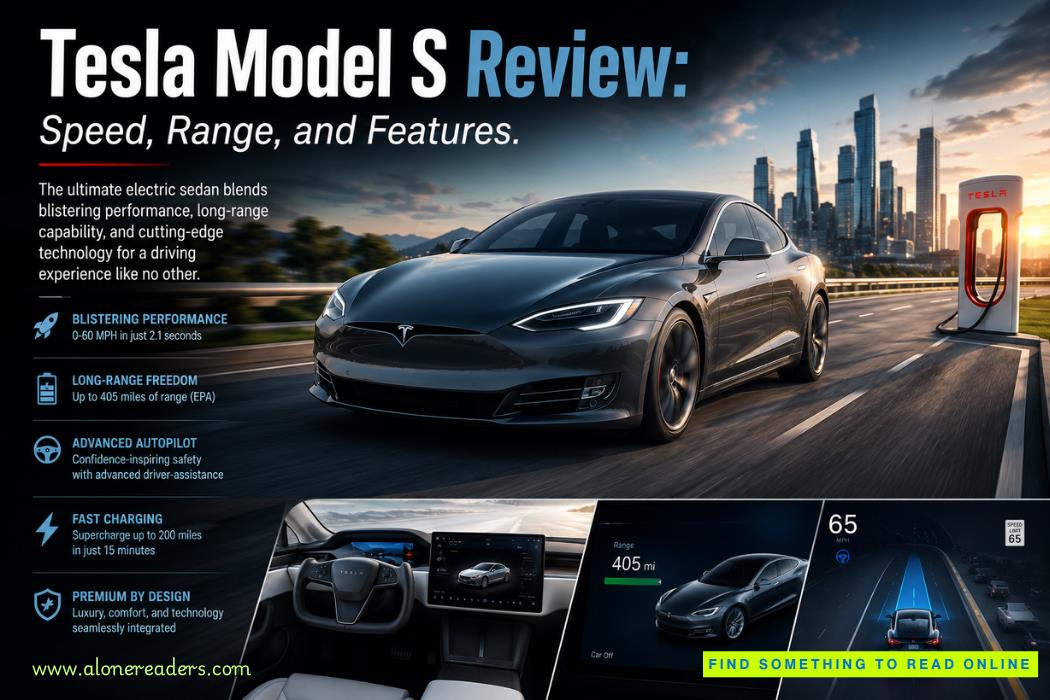 Tesla Model S Review: Speed, Range, and Features in 2026
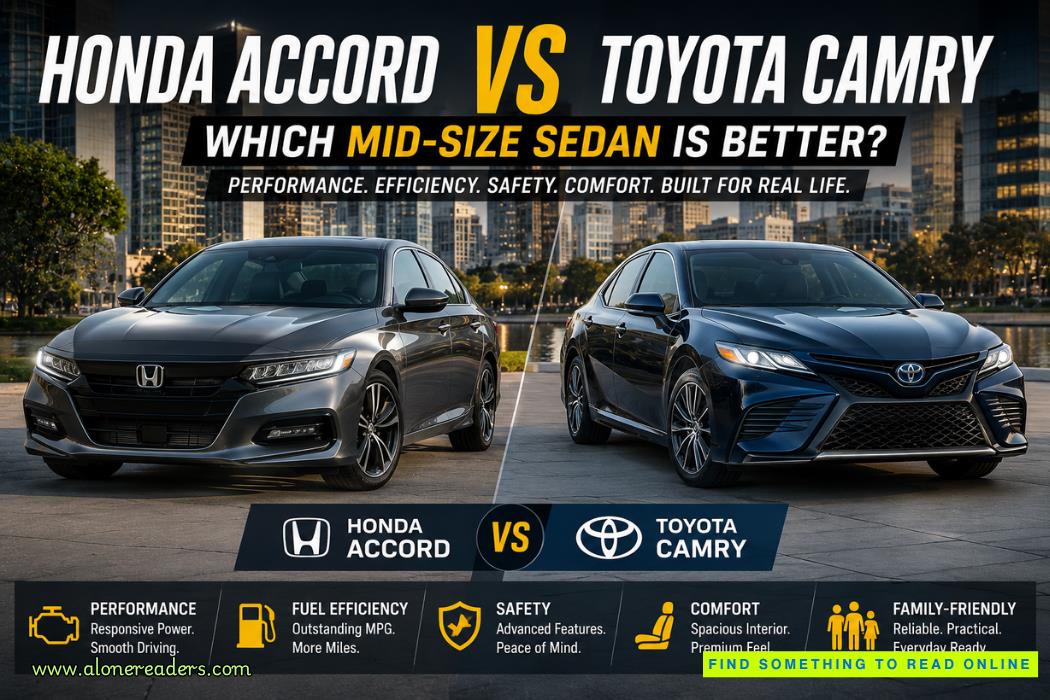 Honda Accord vs Toyota Camry: Which Mid-Size Sedan Is Better?
 Chevrolet Silverado vs GMC Sierra: Which Truck Wins?
 2026 Jeep Wrangler Review: Off-Road Capabilities Tested in Extreme Terrain
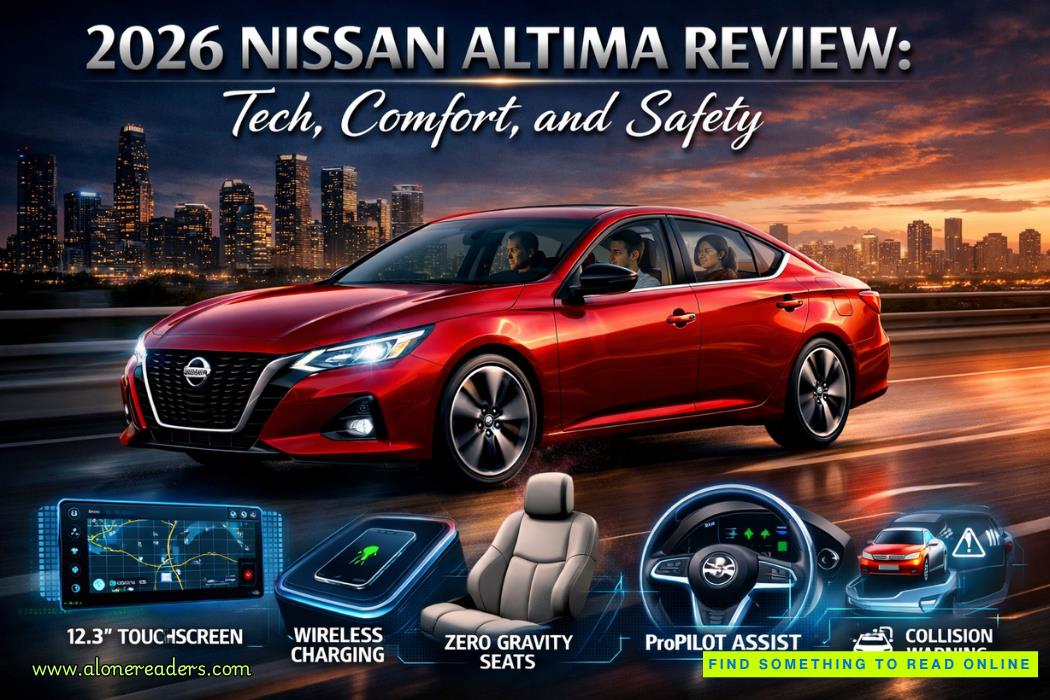 2026 Nissan Altima Review: Tech, Comfort, and Safety – In-Depth Expert Analysis