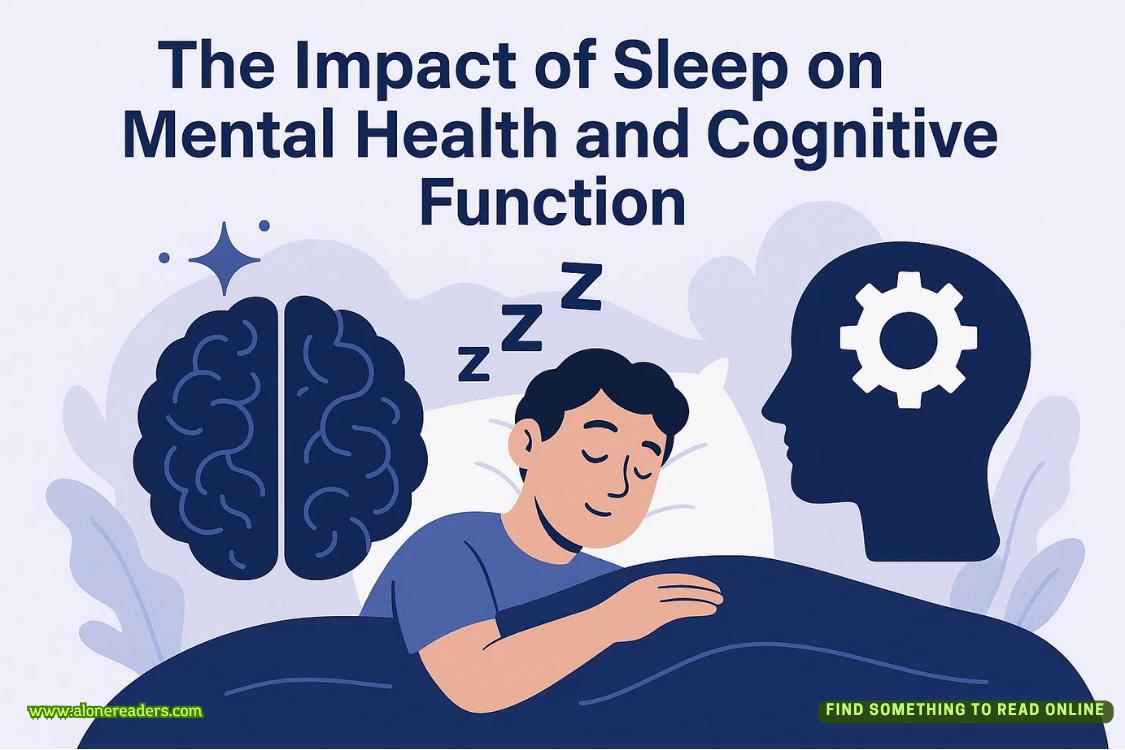
Sleep is one of the most fundamental biological processes, yet modern lifestyles often treat it as expendable. From late-night work to digital distractions, the global population is increasingly sleep-deprived. The consequences, however, extend far beyond fatigue. The intricate connection between sleep, mental health, and cognitive function reveals how vital this restorative state truly is. When sleep quality deteriorates, the brain’s ability to regulate emotions, process information, and maintain psychological balance begins to crumble.
The Role of Sleep Architecture
Sleep occurs in cycles, typically lasting 90 minutes each, composed of non-REM (NREM) and REM stages. Each stage supports distinct physiological and neurological functions. NREM sleep, particularly the deep slow-wave phase, restores physical energy and detoxifies the brain by clearing metabolic waste through the glymphatic system. REM sleep, conversely, is when dreams occur and when emotional and cognitive processing peaks. Disruption in these cycles compromises neuroplasticity—the brain’s ability to reorganize and form new neural connections—directly impairing mental health and learning capacity.
Neurochemical Balance and Mood Regulation
Sleep influences neurotransmitters like serotonin, dopamine, and GABA, all of which regulate mood and emotional stability. Chronic sleep deprivation reduces serotonin production, leading to irritability, anxiety, and vulnerability to depression. Moreover, the amygdala—responsible for emotional responses—becomes hyperactive when sleep is inadequate, while the prefrontal cortex, which controls rational decision-making, becomes less responsive. This imbalance can manifest as emotional volatility, impulsivity, and poor judgment.
Sleep Deprivation and Depression
Research consistently shows a bidirectional relationship between sleep disorders and depression. Insomnia is not just a symptom but often a precursor to depressive episodes. Poor sleep disrupts the brain’s regulation of stress hormones like cortisol, which, when chronically elevated, suppresses mood-stabilizing neural activity in the hippocampus. Over time, this leads to structural changes—reduced hippocampal volume is frequently observed in individuals with persistent insomnia. Restorative sleep, on the other hand, replenishes dopamine levels, supporting resilience and positive emotional regulation.
Anxiety and Hyperarousal States
Anxiety disorders are closely linked to disturbances in REM sleep. Individuals with chronic anxiety often experience fragmented REM cycles, leading to a heightened state of arousal even during rest. This “hypervigilant” sleep prevents emotional memory processing, making anxious thoughts more persistent. Deep, consolidated sleep allows the brain to decouple emotions from stressful memories, effectively acting as overnight therapy. Thus, sleep deprivation perpetuates the cycle of anxiety by preventing emotional downregulation.
Bipolar Disorder and Sleep Rhythms
For people with bipolar disorder, sleep disturbances are not just symptoms but potential triggers for manic or depressive episodes. Even minor disruptions in circadian rhythm—such as staying up late or inconsistent sleep schedules—can destabilize mood cycles. Stabilizing sleep patterns, often through structured routines and light exposure management, is one of the most effective non-pharmacological interventions for bipolar maintenance therapy.
Memory Consolidation
Sleep plays a crucial role in transforming short-term memories into long-term storage. During deep NREM sleep, the hippocampus communicates with the neocortex to transfer and integrate information acquired throughout the day. Insufficient sleep interrupts this process, leading to fragmented or incomplete memory encoding. Students or professionals who sacrifice sleep for productivity often experience reduced learning retention and comprehension accuracy.
Attention and Executive Functioning
Cognitive flexibility, decision-making, and attention span all depend on the prefrontal cortex—one of the first brain regions affected by sleep deprivation. Lack of sleep diminishes the ability to filter distractions, sustain concentration, and manage multiple tasks. Studies show that 24 hours of wakefulness impairs cognitive performance as much as a blood alcohol content of 0.10%, making sleep deprivation comparable to intoxication in its effects on alertness and reaction time.
Problem Solving and Creativity
REM sleep enhances associative thinking by linking distant neural concepts—a mechanism fundamental to creativity. Many breakthroughs in science and art have been attributed to insights gained after rest. When REM sleep is disrupted, this cognitive synthesis falters, leading to rigid thinking and reduced problem-solving innovation. Thus, consistent sleep does not just restore but expands the brain’s creative capacity.
Cortisol and Stress Response
The hypothalamic-pituitary-adrenal (HPA) axis regulates cortisol, the body’s primary stress hormone. Poor sleep dysregulates this axis, causing elevated morning cortisol and a flattened daily rhythm. Chronic cortisol elevation damages neurons in the hippocampus and prefrontal cortex, impairing memory and executive control. This mechanism underlies the cognitive fog and emotional instability observed in chronic insomniacs.
Inflammation and Neurodegeneration
Sleep deprivation triggers systemic inflammation by increasing cytokine levels such as IL-6 and TNF-alpha. Persistent inflammation accelerates neuronal aging and increases the risk of neurodegenerative diseases like Alzheimer’s. During deep sleep, the glymphatic system flushes out amyloid-beta plaques—proteins implicated in Alzheimer’s pathology. Without sufficient sleep, these toxins accumulate, setting the stage for cognitive decline over decades.
Energy Metabolism and Brain Function
Sleep also regulates glucose metabolism within the brain. Deprivation reduces insulin sensitivity and glucose utilization in the prefrontal cortex, causing sluggish cognition. This metabolic inefficiency can mimic symptoms of ADHD or early dementia. Restorative sleep, in contrast, restores neural energy balance, enabling sharper attention and decision-making.
Impulse Control and Emotional Reactivity
Insufficient sleep diminishes connectivity between the amygdala and medial prefrontal cortex, weakening emotional self-regulation. This manifests as irritability, anger outbursts, and poor impulse control. Such dysregulation explains why sleep-deprived individuals often overreact to minor stressors or exhibit risky behaviors. In adolescents, chronic sleep loss has been linked to increased rates of substance abuse, depression, and self-harm tendencies due to reduced inhibitory control.
Social Cognition and Empathy
Sleep impacts not just individual well-being but social interactions. Lack of sleep impairs the brain’s ability to interpret facial expressions and emotional cues, reducing empathy and social connectedness. Over time, this can lead to interpersonal conflict, loneliness, and even relationship breakdowns. Healthy sleep enhances oxytocin regulation, reinforcing trust and emotional bonding—essential components of psychological resilience.
Consistent Sleep Schedule
Maintaining a regular sleep-wake cycle anchors the circadian rhythm. Going to bed and waking up at the same time daily, even on weekends, improves sleep efficiency and hormone regulation.
Environmental and Behavioral Strategies
Avoiding blue light exposure from screens at least one hour before bed, keeping the bedroom cool and dark, and engaging in relaxing pre-sleep rituals—such as reading or light stretching—can significantly improve sleep onset and quality.
Mind-Body Interventions
Mindfulness, meditation, and controlled breathing reduce physiological arousal, lowering cortisol levels and supporting deeper sleep. Cognitive-behavioral therapy for insomnia (CBT-I) remains the most effective psychological intervention for chronic sleep issues, helping individuals unlearn maladaptive sleep associations.
Diet and Exercise Balance
Regular physical activity promotes slow-wave sleep, but intense exercise too close to bedtime can delay sleep onset. Similarly, avoiding caffeine and heavy meals after evening hours supports better circadian stability. Nutritional factors—such as magnesium, omega-3 fatty acids, and tryptophan-rich foods—also promote neurotransmitter balance essential for restorative rest.
The relationship between sleep, mental health, and cognition is deeply reciprocal. Sleep acts as the brain’s maintenance cycle—repairing, reorganizing, and rejuvenating neural networks essential for emotional stability, memory, and reasoning. Chronic sleep deprivation does not merely cause tiredness; it systematically erodes psychological and cognitive integrity. In a world that often glorifies sleepless productivity, reclaiming the sanctity of rest is an act of profound self-preservation. To think clearly, feel deeply, and live meaningfully, one must first sleep well.



 The Power of Positive Thinking: How to Cultivate Optimism for Lasting Success
 Mindfulness Practices to Enhance Mental Health: Science-Backed Techniques for Emotional Resilience
 Pavlova Christmas Tree – A Light, Festive & Stunning Holiday Dessert
 Sticky Glazed Christmas Chicken – A Sweet and Savory Delight for the Holiday Table
 Gingerbread Biscuits and Cakes – A Complete Festive Recipe Guide
 Beef Wellington – A Masterpiece Main Dish for Special Occasions










