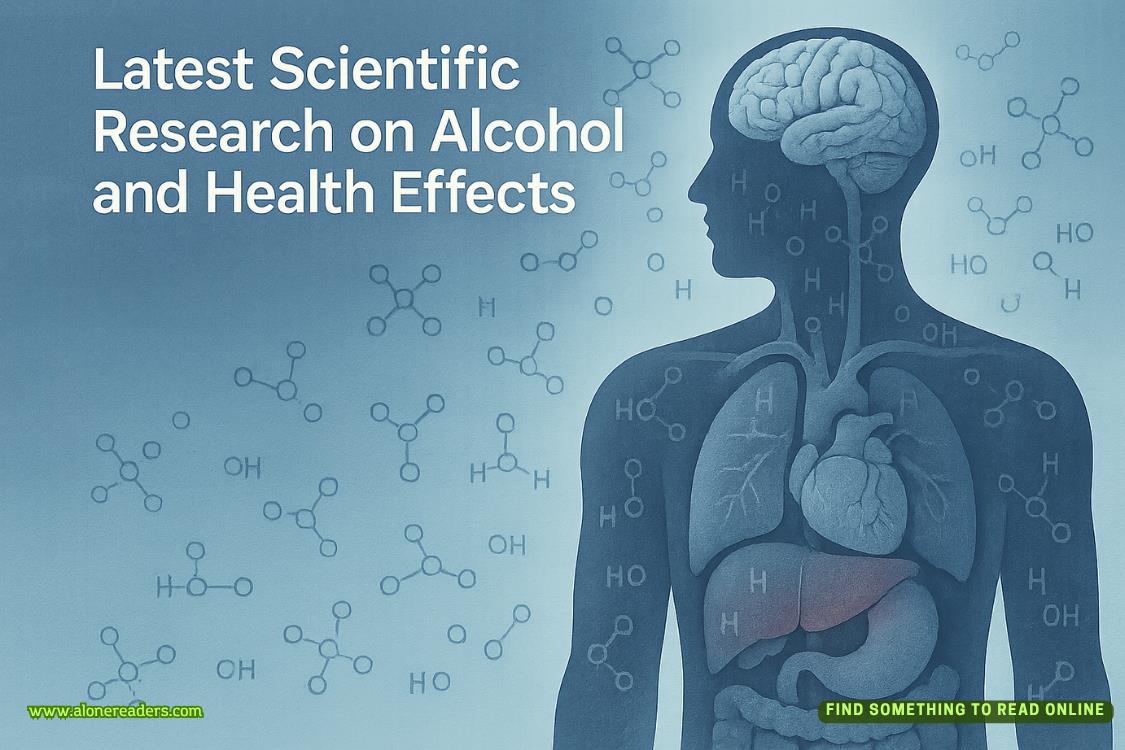
For decades the idea that a glass of wine might be “good for you” has been entrenched in public perception. However, the latest wave of rigorous scientific research is overturning that assumption. A growing body of large-scale, methodologically refined studies—from 2024 and 2025—indicates that no level of alcohol consumption can be considered entirely risk-free. In this article we explore in depth the emerging evidence on how even low to moderate drinking impacts cancer risk, cardiovascular disease, brain health, liver and metabolic systems, mental health, mortality and special populations. Far from being a simple “everything in moderation” message, the data increasingly point to a linear rather than a protective curve, with meaningful implications for public health and individual choices.
Alcohol as a carcinogen
The scientific consensus now places alcohol consumption firmly among the major preventable causes of cancer. Research indicates that alcohol is responsible for a significant proportion of cancer cases—even among those who drink only small amounts.
Risk begins at low levels
One key study found that among women who consume less than one standard drink per week, approximately 17 out of every 100 will develop an alcohol-related cancer in their lifetime; for one drink per day that rises to about 19 out of 100, and for two drinks per day to about 22 out of 100. This underscores that risk accumulates from very low intake levels—not only heavy use.
Mechanism of harm
The process involves alcohol being metabolised into acetaldehyde, a toxic and carcinogenic metabolite, which damages DNA and causes sustained irritation of epithelial cells throughout the digestive tract. This mechanism explains why cancers of the mouth, throat, oesophagus, stomach, colon and breast are elevated in drinkers.
Quantifying the public-health burden
In the United States the evidence suggests that alcohol is the third leading preventable cause of cancer (after tobacco and obesity). The magnitude of the impact is large: tens of thousands of cancer deaths annually and hundreds of thousands of years of potential life lost. The implication for public health policy is clear: reducing alcohol consumption even among “moderate” drinkers could result in meaningful declines in cancer incidence.
From J-shaped curve to linear risk
For many years epidemiological studies suggested a “J-shaped” relationship between alcohol and heart disease—that moderate drinking might protect against cardiovascular events. Yet, more recent evidence using advanced methodologies (including Mendelian randomisation) undermines this notion.
New evidence of harm
Studies show that each unit of alcohol increases the risk of cardiovascular disease and premature mortality. For example, in one UK Biobank study of over 270,000 participants, genetically-predicted alcohol consumption was strongly associated with higher all-cause and cardiovascular mortality, with no hint of protective benefit from modest intake.
Hypertension and drinking
A 2025 scientific statement from a major heart-health body found that drinking three or more drinks per day significantly elevates blood pressure relative to no drinking. Participants who reduced from six or more drinks per day by roughly half saw marked improvements in both systolic and diastolic pressure.
Implications for women
Research further highlights that women consuming more than one drink per day face substantial cardiovascular risk—even at younger ages than might previously have been assumed without risk.
Practical takeaway
The shift from thinking “moderate drinking might help my heart” to “any drinking may increase my cardiovascular risk” has major implications for clinicians, public-health messaging and individual risk assessment. For those considering alcohol consumption for alleged heart benefit, the evidence no longer supports that rationale.
Accelerated brain ageing
Emerging neurological research indicates that alcohol consumption contributes to accelerated neurodegeneration. Key mechanisms include impairment of the brain’s ability to clear toxic proteins, disruptions in neurotransmitter systems, increased inflammation and oxidative stress—factors that undermine neuronal resilience.
Dementia risk even at modest drinking levels
A largescale 2024 study definitively ruled out any protective effect of moderate alcohol consumption on dementia risk. Moreover, many previous studies that suggested benefit were found to be confounded by early cognitive decline leading to lower drinking (“reverse causation”). Mendelian randomisation studies further reinforce a causative role of alcohol in worse brain outcomes, including hippocampal atrophy and impaired white-matter microstructure.
Functional and structural harm
Even low to moderate drinking is associated with measurable brain structure changes and functional decline over decades. These structural changes—such as white-matter lesions, reduced hippocampal volume and vascular damage—contribute to cognitive impairment, diminished executive function and increased dementia risk.
Policy implication
For individuals weighing alcohol consumption against the desire to preserve brain health well into older age, the scientific verdict is increasingly uncompromising: less is better, and abstinence may offer the strongest protection.
Beyond alcoholic cirrhosis
While the link between heavy drinking and alcoholic liver disease is established, newer research reveals that even relatively low levels of drinking can accelerate liver injury and metabolic harm—especially when combined with other risk factors (e.g., obesity, diabetes).
Novel biological pathways
One compelling 2025 study identified that alcohol triggers internal production of fructose via the enzyme ketohexokinase (KHK). This fructose production appears to reinforce alcohol consumption and accelerate liver injury—offering a mechanistic link between drinking, metabolic dysfunction and progressive liver damage. Mice deficient in KHK showed markedly less alcohol consumption and minimal liver injury.
Dose-response at lower intake
Another 2024 study found that consumption of just 10 to 19 grams of alcohol per day (roughly one to two standard drinks) was associated with more than a two-fold increase in liver-disease risk in certain populations.
Synergy with other risk factors
The clinical challenge is compounded when alcohol consumption overlaps with obesity, insulin resistance or viral hepatitis. In those settings, even small amounts of alcohol may tip the balance toward accelerated liver fibrogenesis and early onset of complications.
Clinical message
For both clinicians and patients the takeaway is: when evaluating liver and metabolic risk, it is no longer sufficient to assume that “only heavy drinking matters”. Even light to moderate alcohol consumption carries incremental damage, and the cumulative effect over years merits serious consideration.
Alcohol and mood disorders
Contrary to the popular belief that alcohol serves as a mood enhancer or stress‐reliever, increasingly robust evidence shows it exacerbates anxiety, depression and emotional dysregulation—even at low consumption levels. As a central nervous system depressant alcohol temporarily elevates serotonin and dopamine, but those gains are short-lived; subsequent drops in neurotransmitter levels can precipitate irritability, anxiety and depressive symptoms.
Hangxiety and emotional rebound
The phenomenon of “hangxiety”—heightened anxiety the morning after drinking—is not just anecdotal. Alcohol disrupts emotional regulation, impairs sleep, raises physiological stress and worsens mood in the following day. Over time, coping-drinking patterns create a vicious cycle of dependency and worsening mental health.
Interaction with medications
Alcohol also interacts negatively with prescribed treatments for mood disorders. It can blunt antidepressant efficacy, interfere with therapy, exacerbate sleep disturbances and increase impulsivity—all of which undermine mental-health outcomes.
Clinical relevance
For mental-health professionals, screening for even occasional alcohol consumption is now vital. What may once have been dismissed as “social drinking” may still undermine recovery from anxiety or depression. The message is becoming clearer: reducing or eliminating alcohol may substantially enhance mental-health resilience and treatment response.
Longevity is not improved by light drinking
A pivotal 2024 cohort study involving more than 135,000 adults aged 60 + found that no level of regular alcohol consumption improved life expectancy compared to abstention. Even the lowest drinking category showed a slight increase in cancer-related mortality, with moderate and heavy use linked to significantly higher all-cause mortality.
Quantifying risk in general populations
Another Australian study tracking over 180,000 participants for a median 11.4 years found that for every additional seven drinks consumed per week, relative risks increased by 12 % for alcohol-related cancers, 32 % for digestive-system disease deaths, 7 % for cardiovascular disease deaths and 6 % for all-cause mortality. Men consuming more than ten drinks per week had a roughly 8.5 % higher absolute risk of death by age 85; women had about 4.1 % higher risk.
Implication
The evidence highlights that the lower the alcohol intake, the better the survival outlook over time. It positions alcohol consumption as a modifiable mortality risk factor across all levels—not just in high-volume drinkers.
Immune-system suppression and inflammation
Both acute and chronic alcohol consumption impair immune function, increasing vulnerability to infections and triggering systemic inflammation and endotoxaemia. The compromised mucosal immunity, increased gut permeability and endotoxin translocation accelerate organ-level damage.
Gut-brain/liver axis disruption
Alcohol disrupts the gut microbiome: beneficial bacteria like Lactobacillus and Bifidobacterium decline, while harmful microbial populations rise. This dysbiosis drives intestinal hyper-permeability (“leaky gut”), allowing bacterial toxins to circulate, reach the liver and other organs, and initiate systemic inflammation and fibrotic cascades.
Sleep architecture damage
Alcohol may aid falling asleep but destroys sleep quality. It suppresses REM sleep and increases slow-wave sleep early in the night, then sharply increases awakenings later. Longitudinal twin-study data show that alcohol consumption predicts poorer sleep quality later in life even after adjusting for familial or genetic confounders.
Clinical relevance
For clinicians dealing with recurrent infection, poor sleep or metabolic dysfunction, alcohol intake—even in social or moderate contexts—should be considered as a contributory risk factor. Interventions that reduce alcohol may improve immune resilience, gut-liver health and restorative sleep.
Zero safe amount in pregnancy
For pregnant women the evidence is unequivocal: there is no safe level of alcohol consumption. Alcohol freely crosses the placenta, and the developing fetus lacks the enzymatic machinery to detoxify ethanol or its harmful by-products. Exposure can lead to fetal alcohol spectrum disorders (FASDs), affecting physical development, cognition and behaviour. One in 20 American children may be affected though many cases are underdiagnosed.
Public-health imperative
Advice to pregnant or breastfeeding women universally recommends abstinence. The stakes—lifelong physical and neurodevelopmental damage—are too high to allow any level of “safe” drinking.
Global stance
The World Health Organization (WHO) has stated that “no level of alcohol consumption is safe for health”. Its Global Status Report on Alcohol and Health emphasises the absence of a threshold below which alcohol harms do not accumulate.
National guidelines
In Australia, guidelines recommend no more than ten standard drinks per week and no more than four on any one day for healthy adults, and complete abstinence for those under 18, pregnant or breastfeeding. In the US the 2020-2025 Dietary Guidelines caution that adults who choose to drink should limit to one drink per day for women and two for men—but stress that these are not “risk-free” thresholds.
Evolving scientific interpretation
Some conflicting advice remains: a December 2024 report from the National Academies of Sciences, Engineering, and Medicine concluded that evidence was insufficient to draw firm links between moderate drinking, weight gain or cognitive decline—but this report did not recommend drinking and highlighted major research gaps. The broader trend is still toward greater caution.
What you should ask yourself
The latest scientific evidence across multiple organ systems and large population cohorts conveys a sobering message: the less alcohol you consume, the better for your long-term health. The former narrative of moderate drinking offering protective benefits—especially for the heart or brain—is increasingly exposed as the result of methodological flaws, confounding and biased comparison groups.
Today’s research paints a clearer picture: alcohol exposure begins to raise risks for cancer, cardiovascular disease, liver injury, cognitive decline, mental-health deterioration, immune compromise, sleep disruption and reduced longevity from the very first drink. For individuals who do not currently drink, there is no health-based reason to begin. For current drinkers, reducing intake—or ideally abstaining—offers tangible gains in health span, life span and quality of life. In a society grappling with rising chronic disease burdens, revisiting alcohol consumption may prove one of the most impactful personal preventive choices.
With rigorous recent evidence dismantling the myth of “healthy” drinking, the public-health and clinical imperative is evolving: we must shift from managing “safe drinking levels” toward minimizing alcohol exposure altogether. The data now indicate that even light drinking carries measurable risk in cancer, cardiovascular, brain, liver, mental-health and mortality outcomes. Individuals need not wait for dramatic symptoms to act—today’s research supports the idea that every reduction matters, and the most protective choice remains avoidance. In your journey toward optimal health, reconsidering the role of alcohol is one of the most powerful steps you can take.



 The Power of Positive Thinking: How to Cultivate Optimism for Lasting Success
 Mindfulness Practices to Enhance Mental Health: Science-Backed Techniques for Emotional Resilience
 Pavlova Christmas Tree – A Light, Festive & Stunning Holiday Dessert
 Sticky Glazed Christmas Chicken – A Sweet and Savory Delight for the Holiday Table
 Gingerbread Biscuits and Cakes – A Complete Festive Recipe Guide
 Beef Wellington – A Masterpiece Main Dish for Special Occasions










