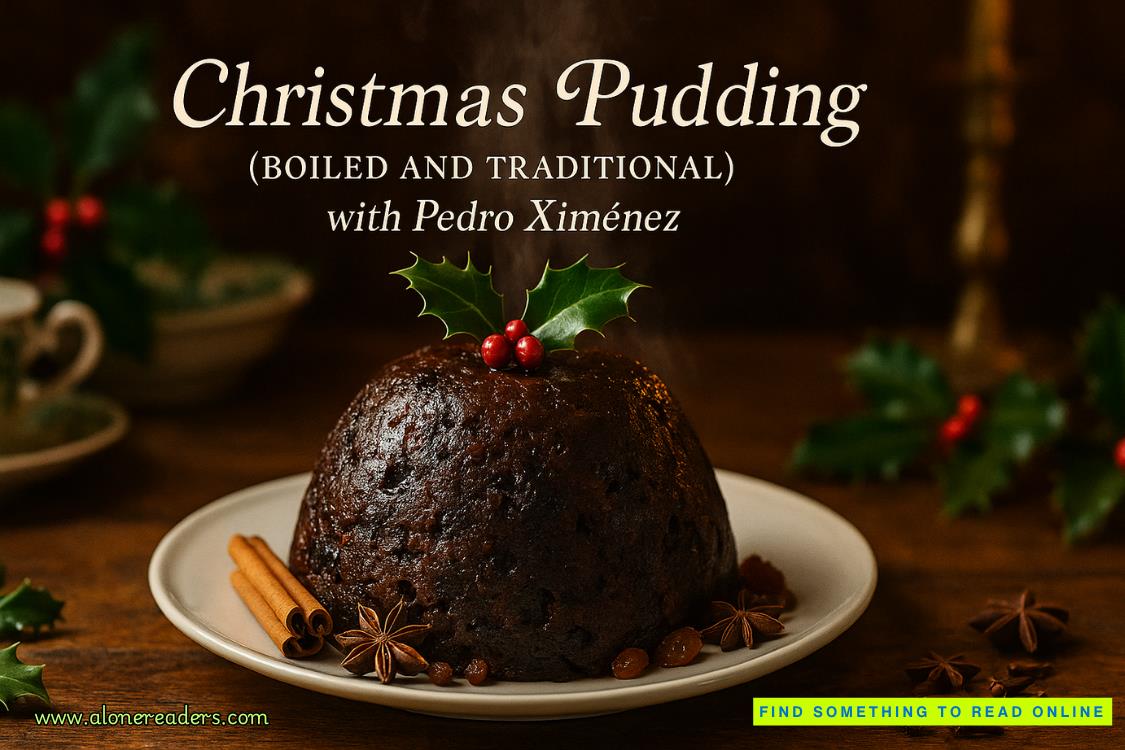
Christmas pudding is more than just a dessert—it is a piece of culinary heritage, steeped in ritual, anticipation, and deep nostalgic flavor. When prepared traditionally by boiling and enriched with Pedro Ximénez, the famous sweet Spanish sherry, this pudding transforms into a masterpiece of complexity. The combination of dried fruits, warming spices, suet or butter, breadcrumbs, citrus zest, and the luxurious sweetness of Pedro Ximénez creates a dessert that matures and deepens with time. Unlike many modern holiday treats, Christmas pudding demands patience; it develops character over weeks or even months, like a well-aged wine. This article explores its origins, ingredients, techniques, boiling method, aging process, flavor pairings, and expert tips—delivered with precision so that readers can recreate a truly authentic Christmas pudding at home.
Origins of Christmas Pudding
The dish began centuries ago as “plum pottage,” a thick broth of meat, dried fruits, grains, and spices. Over time, it evolved into a sweet dessert closely tied to Christmas celebrations.
Why It Is Boiled
Boiling in a pudding basin creates even heat distribution, preserving moisture and concentrating flavor. It also enables long-term storage, making it ideal for early preparation weeks before Christmas.
Pedro Ximénez in Modern Adaptation
Pedro Ximénez, a dark, viscous dessert sherry from Spain, introduces a molasses-like sweetness with notes of raisins, figs, caramel, and cocoa. When used in soaking and steaming, it elevates the pudding with unparalleled richness.
Dried Fruits (Soaked Overnight)
• Raisins
• Sultanas
• Currants
• Chopped dates or figs
• Candied peel
Suet vs. Butter
• Suet provides authentic texture but is animal-based
• Butter adds richness and lighter texture
Breadcrumbs and Flour
They structure the pudding, absorbing moisture while maintaining firmness after boiling.
Spices
• Cinnamon
• Nutmeg
• Cloves
• Allspice
Liquids and Binders
• Pedro Ximénez (primary)
• Brandy or rum (optional)
• Eggs to hold the structure
• Dark brown sugar or molasses
Citrus Zest
Fresh lemon and orange zest are crucial to balancing sweetness with brightness.
Fruit Soaking with Pedro Ximénez
Soaking must be done at least 12 hours before mixing. Use enough Pedro Ximénez to fully coat the fruits. Stir occasionally to ensure absorption.
Mixing the Dry Ingredients
Start with sifted flour, breadcrumbs, spices, and sugar. Ensure even blending to prevent spice clusters.
Incorporating Wet Ingredients
Whisk eggs separately before adding. Once incorporated, fold in the soaked fruits—ensuring liquid balance is maintained.
Resting the Mixture
Allow the final mixture to rest for at least one hour before boiling. This helps flavors bloom and moisture equalize.
Choosing the Right Basin
• Ceramic or stainless-steel pudding basin
• Must be greased and lined with parchment on the base
Sealing and Covering
The top must be tightly covered with parchment and foil to prevent water ingress. Tie it with kitchen string.
Boiling Duration
• Standard pudding: 4 to 5 hours
• Large family pudding: up to 8 hours
Maintaining Water Level
The pot must never run dry. Add boiling water from the kettle if levels drop.
Cooling Phase
Once boiled, allow to cool completely before storing. Do not open the basin during this phase.
Why Age the Pudding
The flavors intensify over time. Alcohol inhibits bacterial growth, enabling safe storage for weeks or even months.
Feeding the Pudding
Every week, drizzle 1–2 tablespoons of Pedro Ximénez onto the pudding. This process is known as “feeding” and ensures moisture retention and deeper flavor.
Storage Conditions
• Keep in a cool, dark place
• Avoid refrigeration during aging
• Wrap basin tightly to prevent drying
How to Reheat Properly
Steam again for 2 hours before serving. Avoid microwaving if possible—it can ruin texture and flavor distribution.
Final Flambé (Optional)
Warm brandy or Pedro Ximénez, pour over the pudding, and ignite briefly. This creates a theatrical presentation.
Classic Accompaniments
• Brandy butter
• Vanilla custard
• Fresh whipped cream
Modern Enhancements
• Pedro Ximénez caramel drizzle
• Orange zest cream sauce
• Crushed toasted almonds
Texture Considerations
The pudding should be moist yet structured, with well-separated fruit pieces and a dark, aromatic exterior.
Sweetness: Deep and natural, from fruits and Pedro Ximénez
Aroma: Warming spices with sherry undertones
Texture: Dense yet soft with crumb structure
Finish: Lingering notes of caramel, oak, and citrus
Do Not Overmix
Excessive mixing toughens the pudding. Ingredients must be folded gently.
Aging Beyond Christmas
A properly aged pudding can be kept for up to a year. Some experts keep it until the next Christmas for extraordinary depth.
Vegetarian Variation
Replace suet with frozen grated butter or vegetarian suet substitute. Add extra breadcrumbs to maintain firmness.
Using Pedro Ximénez in Syrups and Sauces
• Reduce it gently in a saucepan to create a syrup
• Mix with butter and sugar for a glaze
• Can be used to soak dried fruits for ice cream toppings
Pedro Ximénez has a viscosity similar to treacle, making it ideal for moisture retention in recipes requiring prolonged heat. During boiling, its sugars caramelize gradually, forming a rich mahogany color across the pudding’s exterior. It does not evaporate quickly, ensuring deep penetration into the fruit and crumb. The natural oxidative aging that occurs in Pedro Ximénez wine production aligns beautifully with the aging process of the pudding. Both evolve with time—melding wine-making tradition with culinary craftsmanship.
Christmas pudding is the culinary embodiment of anticipation and celebration. When made using the boiled traditional method and infused with Pedro Ximénez, it transforms into a dessert that captures the spirit of festive warmth. It is not merely cooked—it is matured, nurtured, and brought to life over time. Every ingredient plays a role, from citrus zest that lifts the aroma to dark sherry that anchors its depth. Whether served with brandy butter, custard, or a modern caramel drizzle, its essence remains unchanged: a ritual of patience and generosity. Preparing this pudding becomes part of the celebration itself—each stirring, each feeding, each moment of boiling contributes to a flavorful story passed through generations. That is why this dessert still holds a sacred place at Christmas tables across the world—a symbol of tradition, craftsmanship, and joyous expectation.



 The Power of Positive Thinking: How to Cultivate Optimism for Lasting Success
 Mindfulness Practices to Enhance Mental Health: Science-Backed Techniques for Emotional Resilience
 Pavlova Christmas Tree – A Light, Festive & Stunning Holiday Dessert
 Sticky Glazed Christmas Chicken – A Sweet and Savory Delight for the Holiday Table
 Gingerbread Biscuits and Cakes – A Complete Festive Recipe Guide
 Beef Wellington – A Masterpiece Main Dish for Special Occasions










