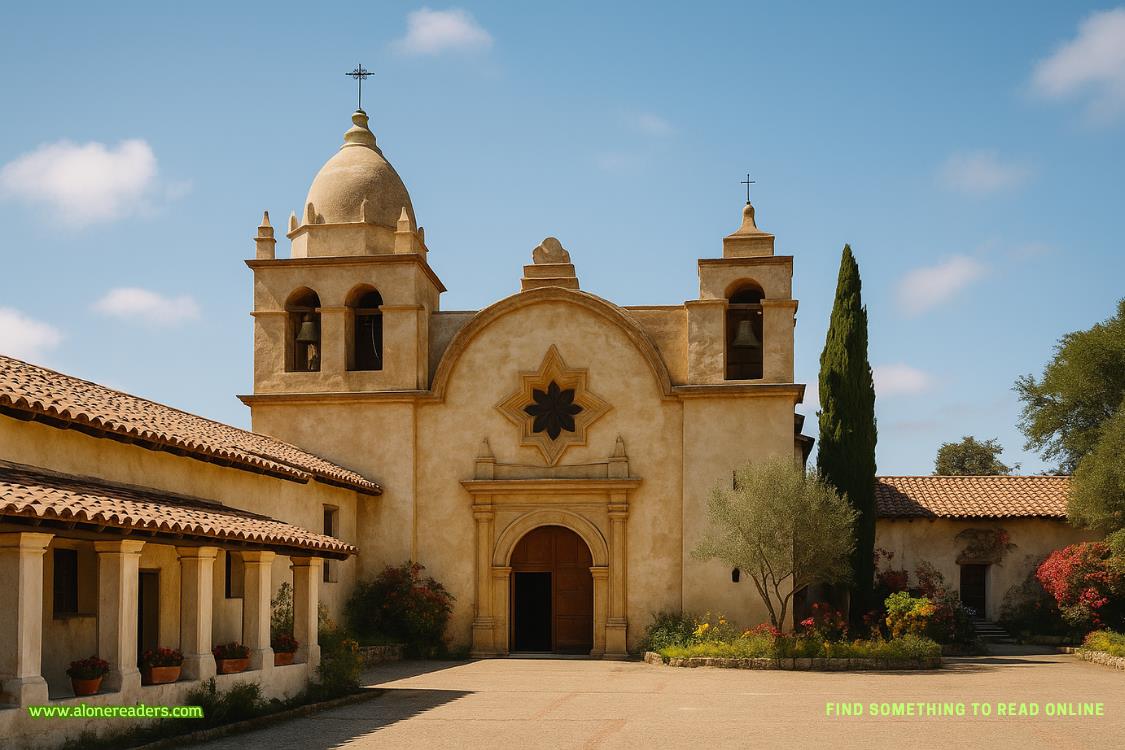
The California Missions stand as one of the most recognizable symbols of California’s colonial past, blending Spanish imperial ambition, Catholic evangelism, and Indigenous Californian experiences into a complex historical legacy. Stretching from San Diego to Sonoma, the 21 missions were founded by Spanish Franciscan friars between 1769 and 1823 with the dual purpose of expanding Spanish territory and converting Native Americans to Christianity. But behind the romanticized adobe walls lies a profound and nuanced story of cultural exchange, adaptation, conflict, and resilience.
Spanish Imperial Strategy and Religious Motivation
The founding of the California Missions was not an isolated event but rather the westernmost extension of Spain’s broader colonial mission system. As Spanish influence waned in the Americas in the late 18th century, the Crown sought to secure Alta California from encroachment by other European powers, particularly Russia and Britain. The Franciscans, led by Father Junípero Serra, were tasked with establishing missions as both religious outposts and strategic anchors along the El Camino Real.
Role of the Franciscans and Father Junípero Serra
Father Serra, a driven Franciscan from Mallorca, was central to the vision and operation of the missions. Arriving in New Spain (Mexico) in 1749 and eventually reaching Baja and then Alta California, Serra was known for his ascetic discipline and organizational skill. Under his guidance, the missions became centers of both spiritual conversion and economic productivity, fundamentally altering the demographic and cultural landscape of California.
Strategic Placement Along the El Camino Real
The 21 missions were deliberately spaced a day’s journey apart along the Royal Road (El Camino Real), a distance of approximately 30 miles between each, facilitating travel, communication, and supply lines. The first, Mission San Diego de Alcalá (1769), was established near present-day San Diego, while the last, Mission San Francisco Solano (1823), was built in Sonoma.
Foundation Dates and Notable Founders
Each mission was founded with a formal ceremony that included a mass, the raising of the Spanish flag, and the construction of temporary shelters. Over time, these were replaced by adobe churches and complex facilities. Notable figures besides Serra include Fathers Fermín Lasuén and Francisco Palóu, who oversaw the founding of several key missions after Serra’s death in 1784.
Daily Life and Social Structure
Mission life was strictly regimented. Franciscan friars directed the spiritual and daily activities, supported by Spanish soldiers and overseen by colonial administrators. Indigenous people, referred to as “neophytes,” were often brought to the missions for religious instruction and training in European agricultural and craft techniques. The missions became centers of large, self-sustaining communities, with populations ranging from a few hundred to over a thousand.
Agricultural Innovation and Output
A major function of the missions was agricultural production. The Franciscans introduced European farming techniques and livestock to California, cultivating wheat, corn, beans, olives, grapes, and a variety of fruits. Livestock—cattle, sheep, horses—were raised in large numbers, making the missions economic engines for the region. Tallow, hides, and crops became commodities for trade, supporting both the missions and presidios (military forts).
Artisan Skills and Economic Activity
Missions also became centers for skilled crafts, including blacksmithing, weaving, tanning, carpentry, and ceramics. The training of Native Californians in these trades contributed to the region’s future economic development and shaped local industries long after secularization.
Early Encounters and Adaptation
The missions sought to transform Indigenous societies, both spiritually and materially. Early interactions involved negotiation, trade, and sometimes voluntary participation in mission life. Over time, however, the process of “reducción”—relocating and congregating Indigenous peoples—led to the erosion of traditional lifeways, language loss, and dependency on the mission system.
Disease, Decline, and Resistance
European diseases to which Native populations had no immunity—such as smallpox, measles, and influenza—caused catastrophic population declines. Labor was often compulsory and conditions harsh, leading to resistance, escape attempts, and periodic uprisings, such as the revolt at Mission San Gabriel in 1785 and at Mission Santa Cruz in 1812. The social fabric of many tribes was irreversibly damaged.
Cultural Syncretism and Enduring Legacies
Despite adversity, Native Californians adapted in creative ways, blending traditional customs with new practices. Aspects of music, art, agriculture, and cuisine emerged from this cultural fusion. Today, descendant communities remember both the suffering and the resilience of their ancestors in the face of colonization.
Mission Design Principles
The iconic mission architecture, often characterized by whitewashed adobe walls, red-tiled roofs, arched corridors, and bell towers, reflected Spanish colonial styles with local adaptations. Buildings were constructed using Indigenous labor, with materials sourced from the surrounding environment. Churches were oriented east-west, symbolically facing the rising sun.
Religious Art and Sacred Spaces
Each mission housed religious art, statues, and frescoes imported from Mexico or crafted locally. Altarpieces, processional crosses, and hand-painted wall decorations became focal points for worship and community identity.
Preservation and Restoration
By the mid-19th century, many missions had fallen into disrepair due to secularization and neglect. Restoration efforts, beginning in the late 19th and early 20th centuries, revived these architectural treasures. Some, such as Mission San Juan Capistrano and Mission Santa Barbara, are still active parishes and museums, drawing visitors worldwide.
Mexican Independence and Secularization Laws
After Mexican independence from Spain in 1821, the missions came under Mexican rule. In 1833, the Mexican Congress passed secularization laws, redistributing mission lands to private citizens and ranchers. Most missions were abandoned or repurposed, and Indigenous populations were displaced once again, losing land and support systems.
Impact on Californio and Indigenous Societies
The secularization period marked a profound shift: former mission lands became ranchos, owned by Californio families and a few ex-mission Indians. Many Native Californians became laborers on these ranchos or were forced to relocate. The missions’ economic and social influence faded, but their physical and cultural imprints endured.
Tourism and Cultural Heritage
The missions are now preserved as historic sites, museums, and active churches. They serve as focal points for tourism and education, illustrating early California history for millions of visitors each year. The annual “swallow migration” at Mission San Juan Capistrano, for example, has become a state tradition.
Reckoning with the Past: Critique and Commemoration
In recent decades, the mission legacy has been re-examined. Descendants of Native Californians and scholars have challenged celebratory narratives, advocating for greater recognition of the suffering and cultural disruption imposed by the mission system. Some missions now incorporate Native perspectives in their exhibits and commemorate the resilience of Indigenous communities.
The Missions in Modern California Identity
The architecture and iconography of the missions—bell towers, arches, arcades—have shaped the aesthetic of California’s public buildings, from schools to courthouses. The missions remain deeply woven into the state’s identity, inspiring debate, reflection, and education.
The California Missions are more than relics of a distant colonial past; they are living reminders of the intersecting ambitions, struggles, and adaptations that have shaped California. Their physical presence continues to inspire, provoke, and educate, serving as a lens through which to examine questions of colonization, faith, resilience, and the forging of new communities. To understand the missions is to embrace the complexities of California’s history—its grandeur, its pain, and its continuing evolution.



 The Hundred Days Offensive: How the Allies Defeated Germany in World War I
 The Second Battle of the Marne: The Turning Point of World War I in 1918
 The Spring Offensive of 1918: Germany's Final Gamble to Win World War I
 The Treaty of Brest-Litovsk: How Russia Left World War I
 The Russian Revolution and World War I: How War Brought Down the Tsar
 The Zimmermann Telegram Explained: Germany's Secret Offer to Mexico in World War I










