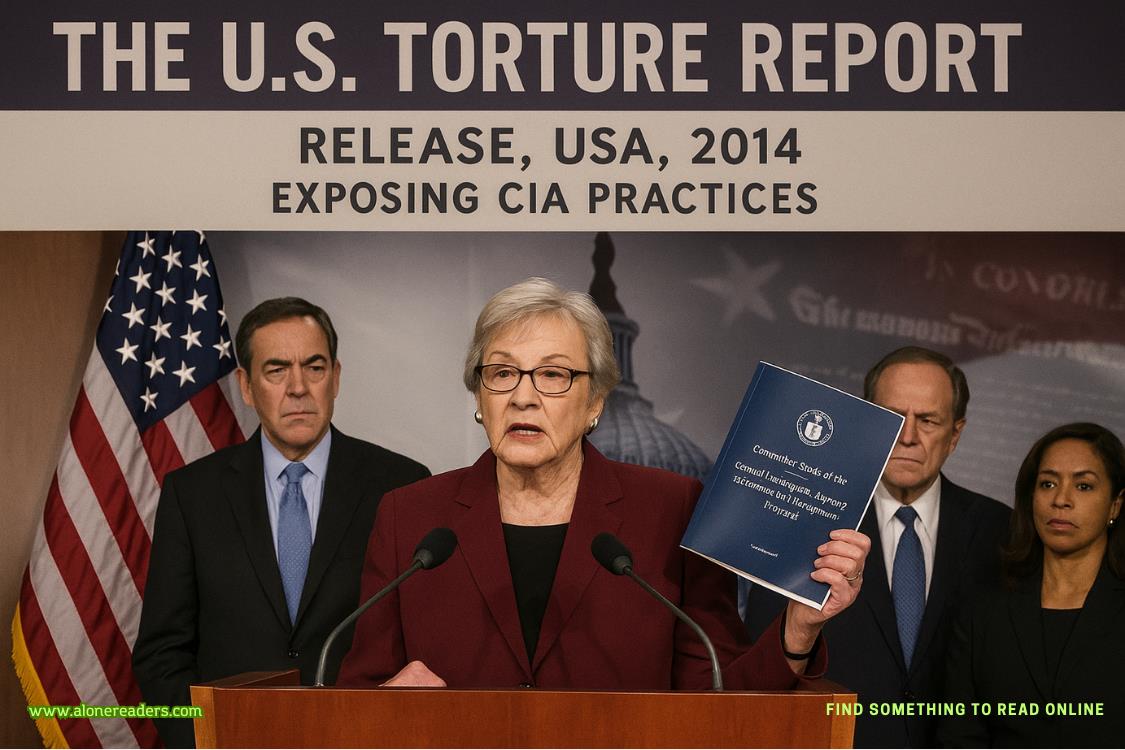
In December 2014, the United States was confronted with one of its most controversial and morally charged disclosures in recent history: the release of the Senate Intelligence Committee’s “Torture Report.” Officially known as the “Committee Study of the Central Intelligence Agency’s Detention and Interrogation Program,” this report provided a stark and disturbing account of how the CIA conducted covert interrogations in the aftermath of the September 11, 2001 attacks. It documented in harrowing detail the use of brutal techniques against detainees suspected of terrorism, many of which went far beyond what the public or lawmakers had been led to believe. The release of the report marked a rare moment where the inner workings of one of the most secretive U.S. agencies were brought into the light, igniting debates over morality, legality, and national security.
The report was the product of a years-long investigation launched in 2009 by the Senate Intelligence Committee, led by then-chair Senator Dianne Feinstein. Its purpose was to examine the CIA’s detention and interrogation activities carried out between 2001 and 2009 under the Bush administration. What emerged was a chilling narrative: detainees were subjected to “enhanced interrogation techniques” such as waterboarding, prolonged sleep deprivation, stress positions, and confinement in small boxes. In some cases, prisoners were stripped naked, exposed to extreme temperatures, and subjected to rectal feeding or hydration, a practice widely condemned as abusive and medically unnecessary. The report asserted that these methods amounted to torture under both U.S. and international law, even though the government avoided using that term officially.
Perhaps most damning was the conclusion that these harsh techniques were not effective in obtaining actionable intelligence. According to the report, the CIA repeatedly misled policymakers, the White House, and the public by claiming that such methods had foiled terrorist plots and saved lives. In reality, the committee found that key pieces of intelligence were often obtained through conventional interrogation or were already in the government’s possession before the application of these brutal tactics. This revelation challenged the moral and strategic justification for the program, calling into question whether it had been driven more by fear and a desire for retribution than by necessity.
The investigation also shed light on the CIA’s lack of internal oversight and the secrecy surrounding the program. Many details of the interrogations were concealed from Congress, and even President George W. Bush was reportedly kept in the dark about certain operations until years into the program. The report described how the agency destroyed videotapes of interrogation sessions in 2005, a move widely criticized as an attempt to eliminate evidence. Contractors played a significant role in developing and implementing the methods, raising questions about accountability and the privatization of some of the government’s most sensitive and ethically fraught activities.
The release of the report’s executive summary, which spanned more than 500 pages, triggered intense reactions both domestically and internationally. Human rights organizations hailed it as a critical step toward transparency and accountability, even though the full 6,700-page report remained classified. The CIA, on the other hand, pushed back strongly, arguing that the report was flawed and biased, and that its conclusions underestimated the complexity of counterterrorism operations in the post-9/11 context. Former officials defended the program, insisting that it was lawful and had helped prevent future attacks, while others condemned it as a betrayal of American values and a dangerous precedent for future conflicts.
Internationally, the report damaged U.S. credibility on human rights, particularly in its criticisms of authoritarian regimes. Governments and human rights advocates abroad pointed to the findings as evidence that the United States had violated the very principles it promoted globally. The disclosures also reignited debates over whether senior officials should face prosecution for authorizing or overseeing the program. While the Obama administration had banned “enhanced interrogation techniques” shortly after taking office in 2009, it declined to pursue criminal charges against those involved, citing a desire to look forward rather than backward.
For the American public, the Torture Report forced a confrontation with uncomfortable questions about the balance between security and morality. Could the fear of another catastrophic attack ever justify the abandonment of long-standing legal and ethical norms? Did the United States compromise its core principles in the name of protecting them? The debate extended beyond partisan politics, touching on fundamental issues of national identity, trust in government, and the costs of secrecy.
In the years since its release, the Torture Report has remained a reference point in discussions about government transparency, intelligence oversight, and human rights. While it did not lead to sweeping prosecutions or major legislative overhauls, it exposed practices that many Americans had only suspected and set a precedent for confronting uncomfortable truths. It also underscored the importance of robust congressional oversight, especially when dealing with agencies that operate in the shadows.
Ultimately, the 2014 release of the U.S. Torture Report was more than just a political event—it was a moment of reckoning. It forced the nation to look at a hidden chapter of its history and decide what lessons to carry forward. Whether those lessons are remembered or ignored will determine not only how America fights its wars, but also how it defines itself in the eyes of its own citizens and the world. In revealing what had been done in the name of safety, the report left behind a sobering reminder: the methods a nation chooses in times of fear often echo long after the fear has passed.



 Top 10 Highest-Paid Professions in the United States (2025): Salaries, Roles, and Career Paths
 Top 10 Largest U.S. Companies by Revenue in 2025 (Fortune 500 Analysis)
 Top 10 Highest-Earning Global Tech Companies in 2025: Revenue, Strategy, and Market Power
 Top 10 Highest-Earning Mobile Apps in 2025: Revenue, Monetization, and Market Dominance
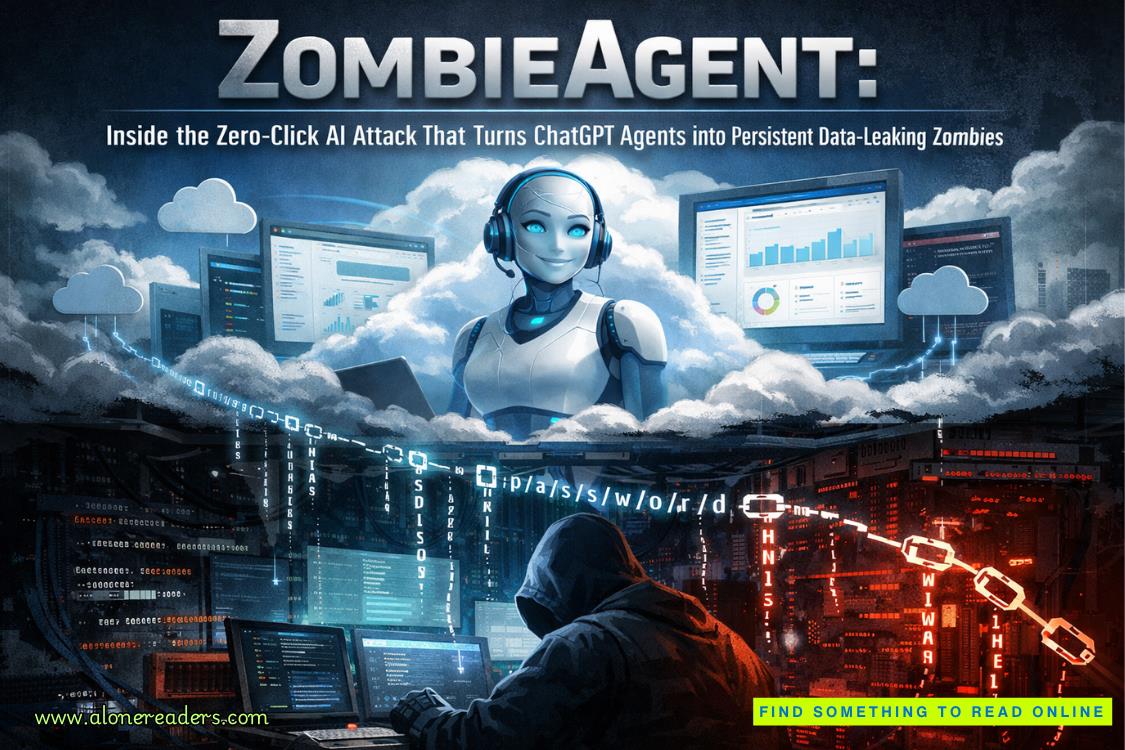 ZombieAgent: Inside the Zero-Click AI Attack That Turns ChatGPT Agents into Persistent Data-Leaking Zombies
 China’s Urban Air Is a Hidden Plastic Reservoir: Inside the Microplastic Clouds Over Megacities










