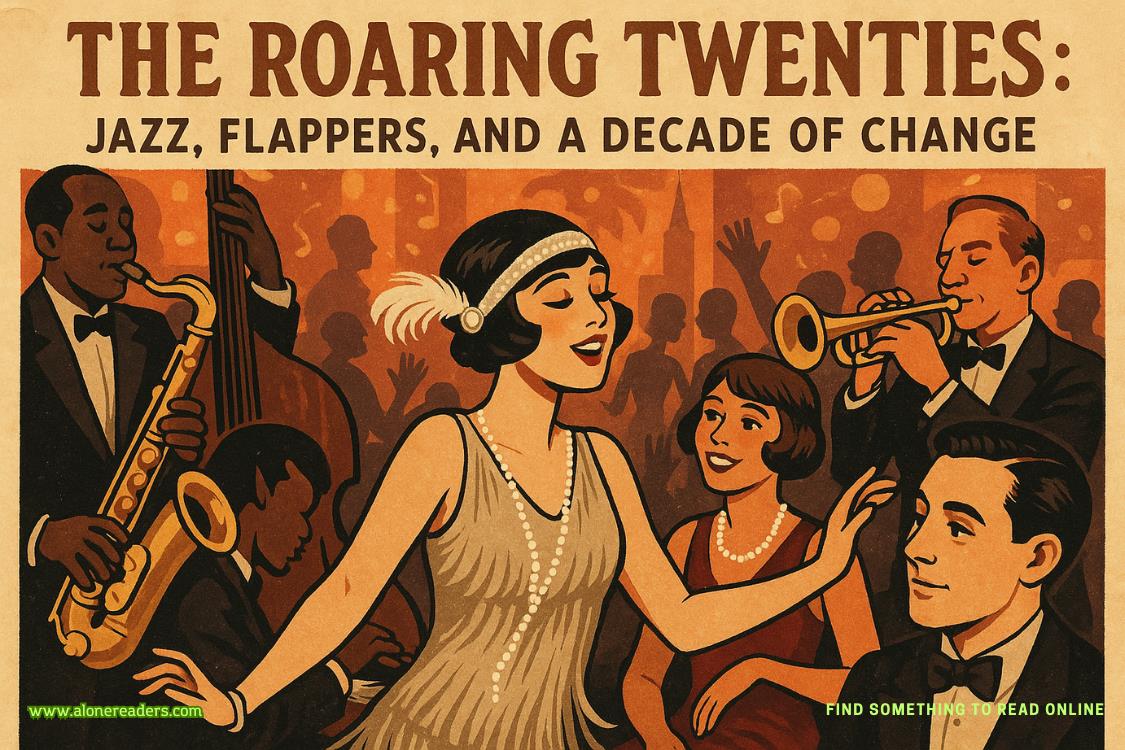
The Roaring Twenties was a decade unlike any other, a period where the world seemed to move faster, dream bigger, and break away from the rigid traditions of the past. Emerging from the devastation of World War I, people in the 1920s embraced a sense of liberation and possibility. Cities thrived, technology advanced, and a new cultural identity began to take shape—one marked by the syncopated rhythms of jazz, the boldness of flapper fashion, and a profound shift in societal norms. In America especially, but also across the Western world, the Twenties became a symbol of transformation, modernity, and rebellion against convention.
One of the defining features of the Roaring Twenties was the explosion of jazz music. Born from African American communities in New Orleans, jazz blended blues, ragtime, and improvisation into something entirely new. It was not just music; it was a cultural revolution. Jazz clubs sprang up in cities like Chicago, New York, and Kansas City, attracting both Black and white audiences despite the racial segregation of the time. Musicians like Louis Armstrong, Duke Ellington, and Bessie Smith became icons, and their music embodied the energy and unpredictability of the era. The syncopated beats, improvisational solos, and emotional depth of jazz perfectly matched the restless spirit of a generation eager to break the mold.
Alongside jazz came the rise of the flapper—a symbol of the new, independent woman. Flappers defied the expectations of Victorian femininity. They wore shorter skirts, bobbed their hair, applied makeup in public, and danced to the fast-paced rhythms of the Charleston and the Foxtrot. More importantly, they embraced a lifestyle of personal freedom, attending speakeasies, smoking cigarettes, and openly discussing topics once considered taboo for women. While some saw the flapper as a symbol of moral decline, others celebrated her as a pioneer of female empowerment. The flapper embodied the broader changes in gender roles, as women in many countries had recently gained the right to vote and were beginning to assert themselves in the workplace and in politics.
Social change in the Roaring Twenties was not limited to fashion and music. The decade saw a major cultural shift in attitudes toward class, race, and personal freedom. The Great Migration brought millions of African Americans from the rural South to urban centers in the North, fueling both the growth of Black cultural movements like the Harlem Renaissance and heightened racial tensions. The Harlem Renaissance itself was a defining intellectual and artistic movement, with figures like Langston Hughes and Zora Neale Hurston showcasing African American voices in literature, art, and music. It was a period of pride and creative expression that challenged stereotypes and sought to reshape the cultural identity of Black America.
The Twenties also marked a technological and economic boom. The automobile industry, led by Henry Ford’s assembly line production, put cars within reach of ordinary Americans, transforming cities and suburbs alike. Radios became common in households, making it possible for people to listen to live jazz broadcasts, news, and serialized dramas from the comfort of their living rooms. Motion pictures, especially with the introduction of sound in 1927’s The Jazz Singer, became a dominant form of entertainment. These innovations contributed to a shared popular culture and a sense of interconnectedness across the nation.
However, the decade’s energy was not without tension. Prohibition, enacted through the 18th Amendment in 1920, aimed to eliminate alcohol consumption but instead gave rise to a thriving underground economy. Speakeasies flourished, organized crime networks expanded, and figures like Al Capone became notorious symbols of the lawlessness that Prohibition fostered. This era also exposed the growing divide between urban and rural America. While cities embraced modernity and cultural experimentation, many rural communities clung to traditional values, creating a cultural clash that shaped politics and social debates of the time.
The Roaring Twenties were also a time of stock market optimism. Investments soared, and many Americans believed the good times would last forever. This prosperity was fueled by easy credit, speculative investments, and an expanding consumer economy. Advertising became a powerful industry, promoting new products from refrigerators to cosmetics. Yet beneath the surface, the economy was built on fragile foundations. By the end of the decade, the overconfidence and excesses of the 1920s would contribute to the devastating stock market crash of 1929, ushering in the Great Depression.
Despite its abrupt end, the legacy of the Roaring Twenties remains profound. It was a decade that redefined art, culture, and society, challenging traditional norms and embracing the possibilities of modern life. The music of jazz continues to influence artists today, flapper fashion remains an enduring symbol of rebellion and style, and the social transformations of the era laid the groundwork for future movements in civil rights and gender equality. The 1920s showed the world that cultural revolutions could be as powerful as political ones, and that the human spirit, when freed from constraint, could reshape society in lasting ways.
In the end, the Roaring Twenties was more than just a period of extravagant parties and bold fashion—it was a cultural turning point. It celebrated innovation, creativity, and personal freedom, even as it grappled with the contradictions of its time. The decade’s mix of optimism, artistic expression, and social upheaval continues to capture our imagination, reminding us of an era when the world danced to a new beat and dared to believe in endless possibility.



 The Hundred Days Offensive: How the Allies Defeated Germany in World War I
 The Second Battle of the Marne: The Turning Point of World War I in 1918
 The Spring Offensive of 1918: Germany's Final Gamble to Win World War I
 The Treaty of Brest-Litovsk: How Russia Left World War I
 The Russian Revolution and World War I: How War Brought Down the Tsar
 The Zimmermann Telegram Explained: Germany's Secret Offer to Mexico in World War I










