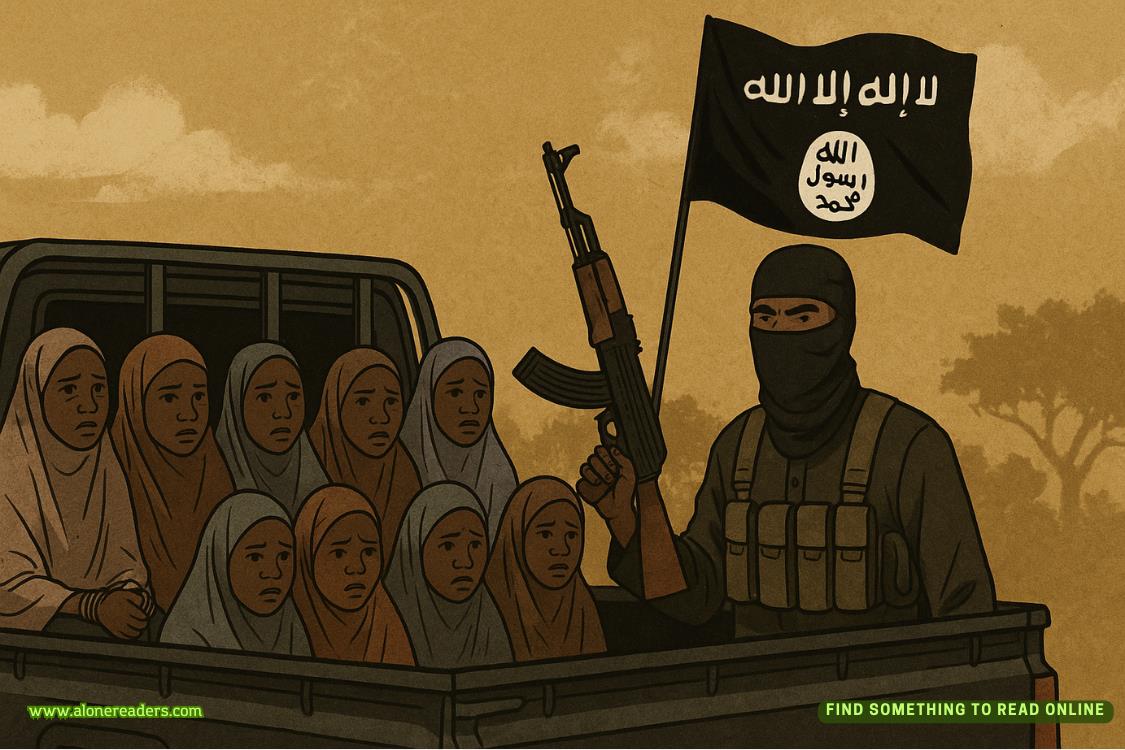
The Chibok schoolgirls kidnapping in Nigeria in April 2014 stands as one of the most shocking acts of mass abduction in modern history, carried out by the Islamist militant group Boko Haram. The attack not only devastated families and communities in the northeastern region of Borno State but also drew global attention to the ongoing insurgency in Nigeria, the vulnerability of civilians, and the failures of governance in confronting extremist violence. To understand the magnitude of this atrocity, it is crucial to trace its circumstances, the group responsible, the government’s response, and the lasting effects on Nigerian society and the world at large.
Boko Haram, whose name loosely translates to “Western education is forbidden,” had been waging a brutal insurgency since 2009. Their ideology sought to impose a strict interpretation of Islamic law across Nigeria, targeting schools, churches, mosques, and villages in an escalating campaign of terror. By 2014, the group had already killed thousands of people, destroyed communities, and displaced millions. Education, especially for girls, became a central target for the militants, as they viewed it as a corrupting influence. Schools were frequently burned, students attacked, and teachers killed. In this environment of fear, the abduction of schoolgirls became a grim culmination of the group’s warped worldview.
On the night of April 14, 2014, Boko Haram militants stormed the Government Girls Secondary School in the town of Chibok. The school had been holding final exams, and many students had come from surrounding villages to participate. Armed men in trucks arrived under the cover of darkness, disguised as soldiers to allay suspicion. Once inside, they quickly overpowered guards and herded the terrified girls onto waiting vehicles. Reports estimate that 276 girls were kidnapped in that single night, although some managed to escape by jumping from the trucks. The militants drove deep into the Sambisa Forest, a remote area that had become one of Boko Haram’s strongholds.
The attack sent shockwaves across Nigeria and beyond. Families descended into despair as days passed without concrete action from authorities. Many parents, frustrated by government inaction, attempted to pursue the abductors themselves, risking their lives. Initially, the Nigerian government’s response was slow, disorganized, and plagued with denial. Officials disputed the number of girls kidnapped, delayed rescue operations, and underestimated the scale of the crisis. This hesitation not only deepened the suffering of families but also fueled anger across the nation.
The kidnapping sparked one of the most powerful global social movements of the decade: the #BringBackOurGirls campaign. Prominent figures such as Michelle Obama, Malala Yousafzai, and world leaders joined ordinary citizens worldwide in demanding action. The campaign highlighted not only the plight of the girls but also the broader issues of terrorism, gender-based violence, and the right to education. The slogan became a rallying cry on social media, in protests, and in diplomatic circles, placing unprecedented international pressure on the Nigerian government.
Despite the global attention, the path to securing the release of the girls was agonizingly slow and complicated. Over the years, negotiations, military operations, and prisoner swaps led to the release of some of the girls. By 2017, more than 100 had been freed in batches, often in exchange for captured Boko Haram fighters. Yet even with these successes, many remained in captivity, and some were forced into marriages with militants, subjected to sexual slavery, or indoctrinated into extremist ideology. Others were reported dead, lost to disease, conflict, or abuse. For those who returned, reintegration was fraught with challenges. Survivors carried deep psychological scars, faced stigma within their communities, and struggled to resume their education or rebuild normal lives.
The Chibok kidnapping revealed the depths of Nigeria’s security crisis. Boko Haram was not only able to carry out a mass abduction in plain defiance of state authority, but also managed to elude military operations for years afterward. The Nigerian armed forces, plagued by corruption, poor training, and inadequate resources, struggled to confront the insurgency effectively. In many cases, soldiers lacked proper equipment, morale, and coordination, allowing militants to strike with impunity. The Chibok incident became a symbol of these failures and forced the government to acknowledge the scale of the threat.
Beyond Nigeria’s borders, the kidnapping drew attention to the regional dimensions of Boko Haram’s insurgency. Neighboring countries like Cameroon, Chad, and Niger also faced attacks and were drawn into the fight against the group. In response, a multinational task force was established, bringing together forces from across the Lake Chad Basin. While this cooperation achieved some military victories, including reclaiming territory from Boko Haram, the group proved resilient, splintering into factions and adapting to new strategies, including suicide bombings and guerrilla warfare.
The tragedy also underscored the vulnerability of women and girls in conflict zones. The Chibok girls became emblematic of the use of sexual violence as a weapon of war. Boko Haram’s deliberate targeting of schoolgirls was intended not only to strike fear but also to undermine education for women, perpetuating cycles of poverty, inequality, and oppression. For survivors, the stigma of abduction and forced marriage was compounded by social rejection upon their return. Many communities viewed them with suspicion, fearing they carried extremist ideology or were marked by shame.
Years after the abduction, the legacy of the Chibok kidnapping remains complex. On one hand, it galvanized global attention to Nigeria’s insurgency and women’s rights. On the other, it highlighted the deep fractures within Nigerian governance and the international community’s limitations in addressing such crises. While Boko Haram has weakened over time, new threats have emerged, including splinter groups and other extremist organizations. For the families of the missing girls, the pain endures, as many daughters remain unaccounted for more than a decade later.
The Chibok tragedy remains a reminder of the human cost of extremism, the fragility of state authority, and the resilience of ordinary people in the face of overwhelming terror. It exposed the failures of institutions tasked with protecting citizens but also demonstrated the power of collective action, as millions around the world united to demand justice. For Nigeria, the kidnapping is not just a chapter of history but a cautionary tale of what happens when governance, security, and education are neglected in the face of growing extremism. For the international community, it stands as a lesson on the importance of sustained engagement, not only in moments of crisis but in the long-term effort to prevent atrocities, empower women, and uphold human rights.
Even today, the phrase “Bring Back Our Girls” resonates as a call for accountability, for remembrance, and for action. It symbolizes the enduring fight for the rights of children, especially girls, to pursue education without fear, and for families to live without the shadow of terror. The Chibok schoolgirls kidnapping, while an atrocity, has also become a symbol of resilience, ensuring that the world cannot easily forget the faces of those who were taken in the night of April 2014.



 Top 10 Highest-Paid Professions in the United States (2025): Salaries, Roles, and Career Paths
 Top 10 Largest U.S. Companies by Revenue in 2025 (Fortune 500 Analysis)
 Top 10 Highest-Earning Global Tech Companies in 2025: Revenue, Strategy, and Market Power
 Top 10 Highest-Earning Mobile Apps in 2025: Revenue, Monetization, and Market Dominance
 ZombieAgent: Inside the Zero-Click AI Attack That Turns ChatGPT Agents into Persistent Data-Leaking Zombies
 China’s Urban Air Is a Hidden Plastic Reservoir: Inside the Microplastic Clouds Over Megacities










