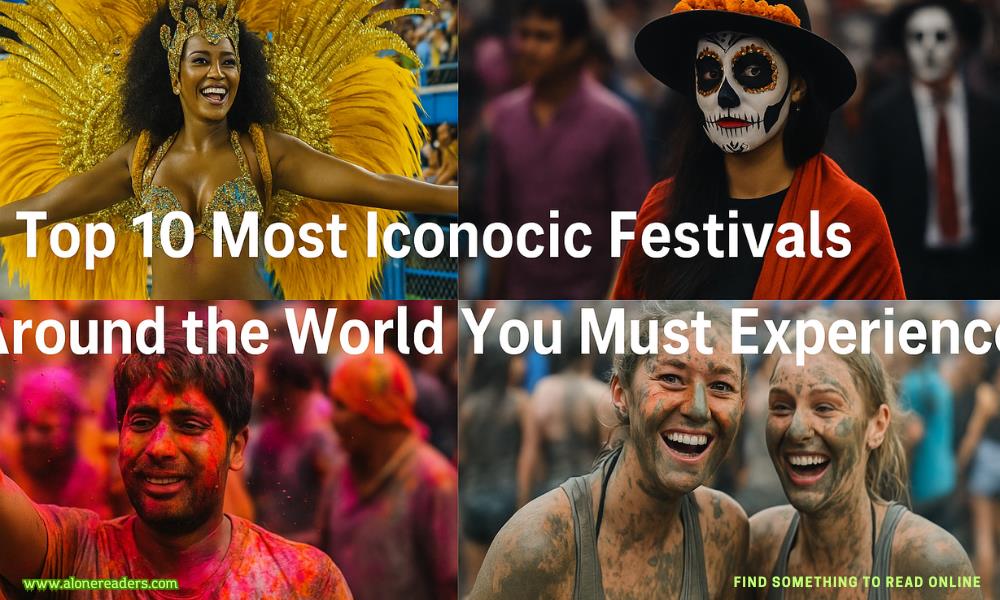
Festivals are more than just entertainment—they are cultural mirrors reflecting a society’s history, spirituality, and artistic expression. While food, landscapes, and museums reveal a lot, true immersion into a country’s soul happens during its grand celebrations. From dancing in Brazil’s streets to smearing colored powder in India, from parading in Venetian masks to rolling in Korean mud, festivals connect us to the essence of human expression.
Below are ten of the world’s most iconic and unique festivals, each offering a distinct sensory and cultural experience that goes far beyond the ordinary.
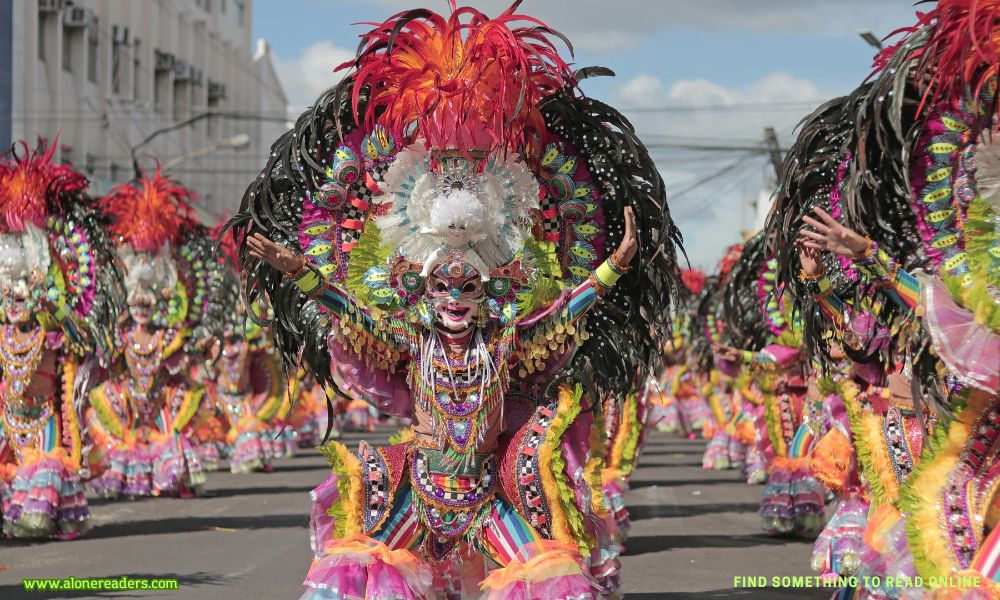
Location: Rio de Janeiro
Time: February or March (before Lent)
What Makes It Unique:
The Rio Carnival is the largest street party on Earth. For 10 days, the streets of Rio pulse with the rhythm of samba, vibrant costumes, and elaborate parades. The celebration is divided into three main parts:
Insider Tip:
Don't miss the Special Group parades on Sunday and Monday night. Budget travelers can skip the Sambadrome and dance freely at a bloco for no cost.
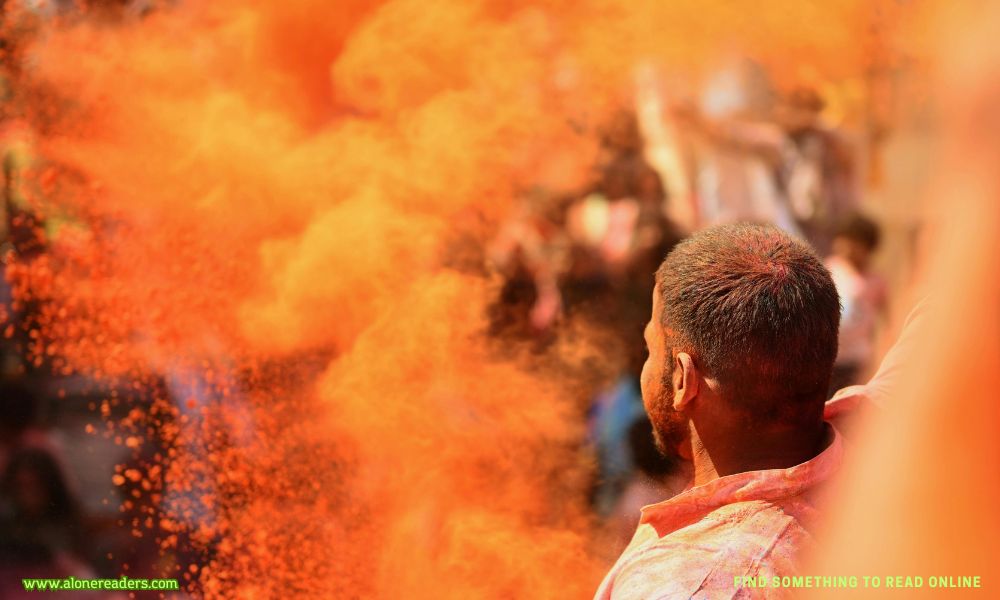
Location: Mathura, Uttar Pradesh
Time: March (varies with the lunar calendar)
What Makes It Unique:
Rooted in Hindu mythology, Holi celebrates the playful spirit of Lord Krishna, who is said to have started the tradition of color-throwing in this very town. The festival lasts over a week, culminating in a chaotic, joyous day of drenching everyone in powdered hues.
Cultural Center:
The Sri Dwarkadhish Temple becomes the focal point of the celebration. Outside its gates, locals and tourists alike become living rainbows, covered head to toe in color.
Insider Tip:
Wear long-sleeved clothes you don’t mind staining permanently. Avoid synthetic fabrics—opt for breathable cotton.
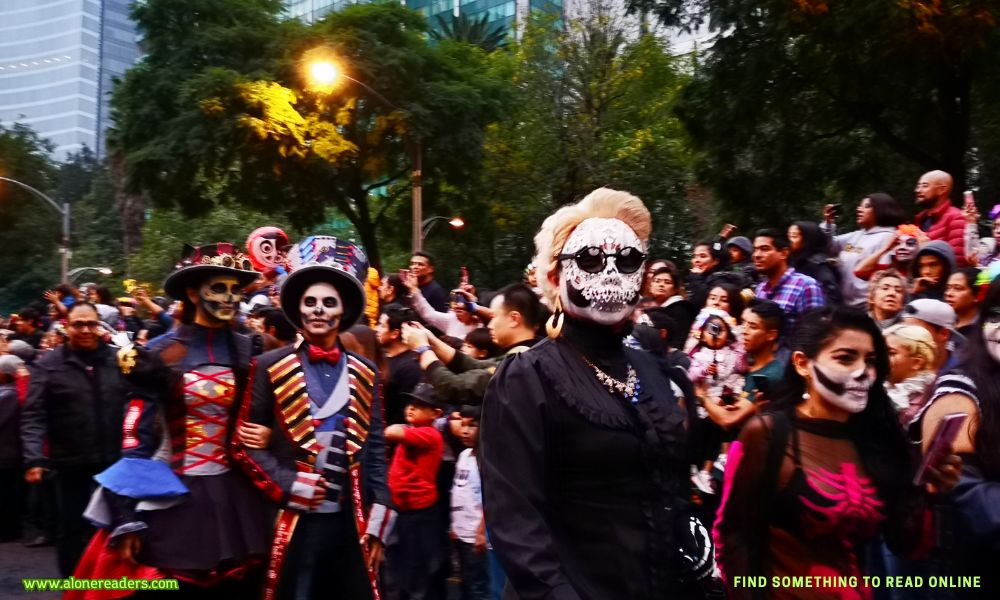
Location: Oaxaca and surrounding regions
Time: October 31 to November 2
What Makes It Unique:
Unlike Halloween’s spooky undertones, Día de los Muertos is a heartfelt homage to deceased loved ones. People dress as skeletons (calacas), paint their faces with intricate designs, and spend nights in cemeteries, offering food and prayers to ancestors.
Celebration Highlights:
Insider Tip:
Buy your mask and outfit early from local markets. For a less commercialized experience, avoid central Oaxaca and head to nearby towns like San Agustín Etla.
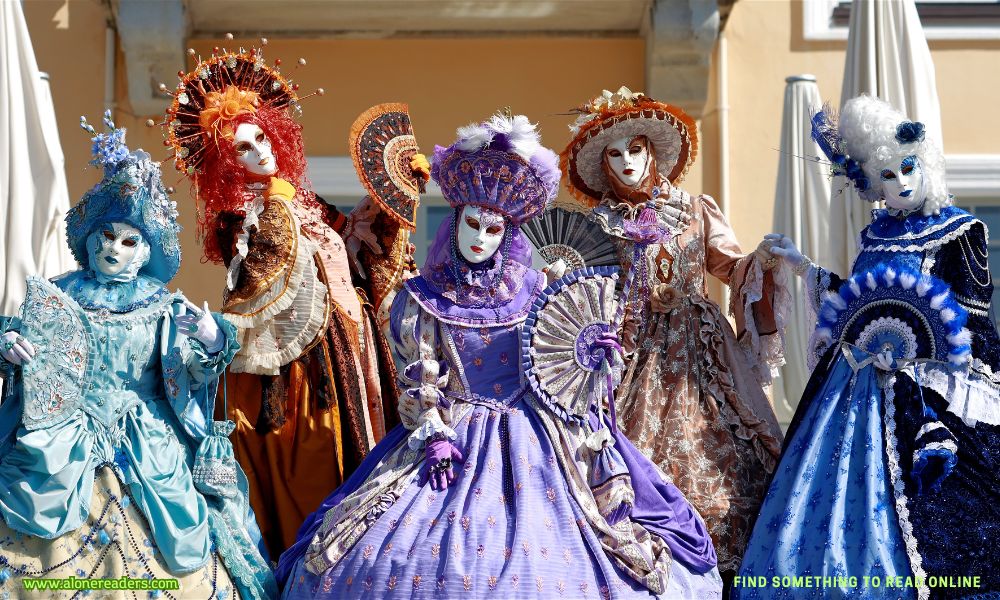
Location: Venice
Time: February
What Makes It Unique:
A historical celebration of anonymity and art, the Venice Carnival dates back to 1162. After a ban in 1797 due to "immorality," the festival was revived in the 1970s and is now a globally renowned symbol of theatrical elegance.
Signature Elements:
Insider Tip:
Rent your costume and mask early to avoid inflated last-minute prices. Attend the Flight of the Angel event at Piazza San Marco for a majestic start to the festival.
Location: Boryeong, 80 miles south of Seoul
Time: July
What Makes It Unique:
Originally started to promote local cosmetics made from mineral-rich mud, this festival turned into an international mud-slathered bash. People wrestle, slide, run races, and even paint with mud.
Festival Features:
Insider Tip:
Wear a swimsuit under old clothes. Rent a locker early in the day—they get occupied quickly.
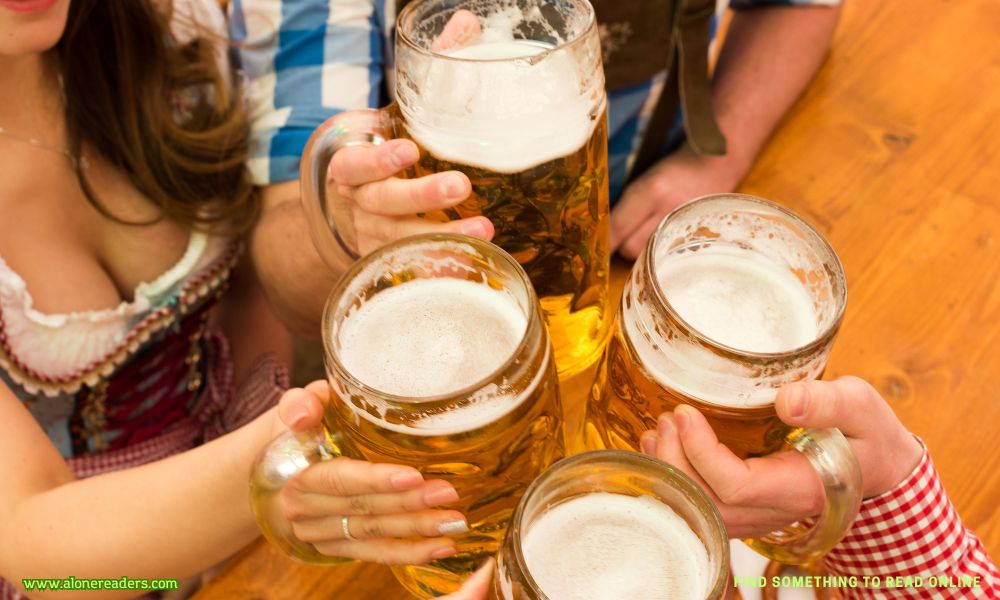
Location: Theresienwiese, Munich
Time: September 20 to October 5
What Makes It Unique:
Oktoberfest is the ultimate beer festival. Visitors enjoy liters of specially brewed beer while dressed in traditional lederhosen or dirndl. It’s not just about drinking—there are carnival rides, music bands, and hearty German food.
Key Highlights:
Insider Tip:
Tents fill up fast—reserve seats in advance or arrive early, especially on weekends.
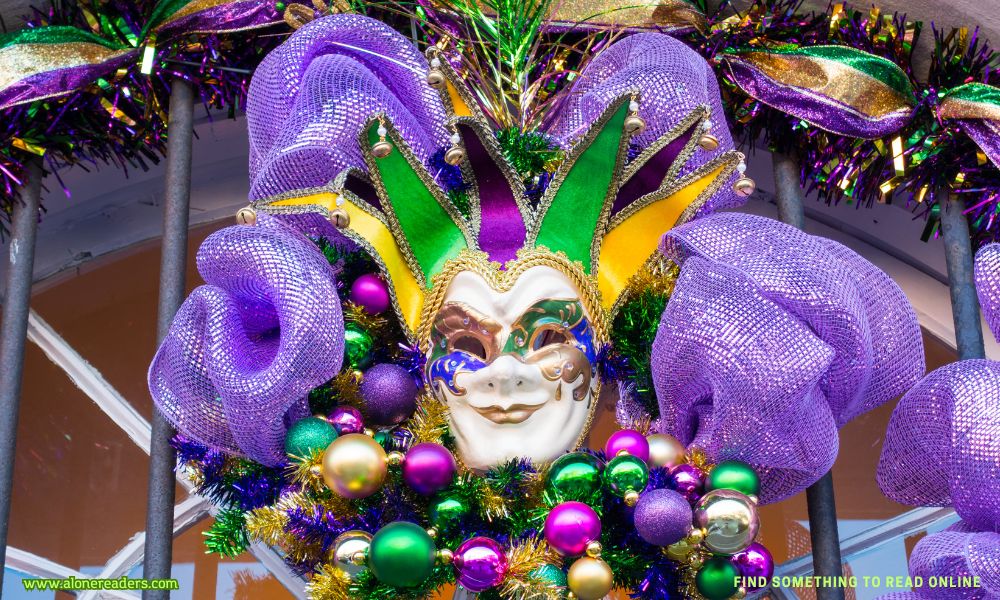
Location: New Orleans, Louisiana
Time: March (Tuesday before Ash Wednesday)
What Makes It Unique:
Mardi Gras is North America’s most flamboyant festival. The city becomes a sea of floats, costumes, jazz, and joy. Revelers scream for beads, dubbed "throws," tossed from parade floats.
Main Events:
Insider Tip:
To catch more throws, stand behind the barricades along Canal Street and bring a reusable bag for your haul.
Location: Belfast
Time: March 17
What Makes It Unique:
While Dublin is more famous, Belfast offers a more authentic and less touristy version of St. Patrick’s Day. This festival celebrates Irish heritage with parades, green everything, and shamrock-filled festivities.
Festival Staples:
Insider Tip:
Buy your shamrocks early and wear layers—it can still be quite cold in March.
Location: Buñol, near Valencia
Time: Last Wednesday of August
What Makes It Unique:
La Tomatina is the world’s largest food fight. Originating from a local dispute turned tradition in 1945, the festival now draws thousands of participants who pelt each other with overripe tomatoes.
How It Works:
Insider Tip:
Wear goggles and shoes with good grip. Bring a waterproof pouch for valuables.
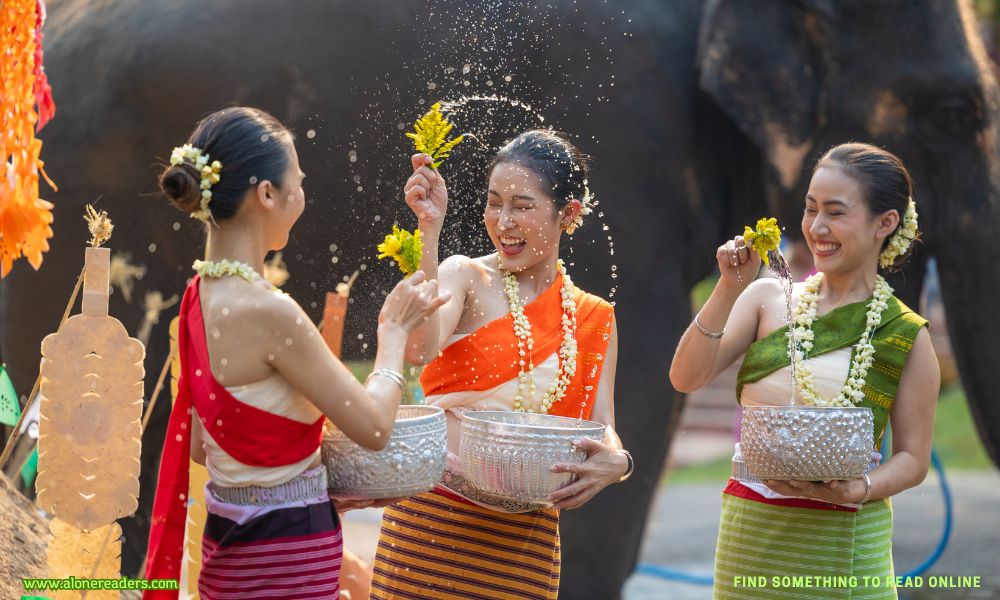
Location: Chiang Mai and cities across Thailand
Time: April 13–15
What Makes It Unique:
Songkran marks the Thai New Year and is symbolized by water, which represents cleansing and renewal. What begins as a gentle ritual has evolved into a nationwide water war.
Festival Features:
Insider Tip:
Use waterproof bags and wear quick-dry clothes. Don’t aim water at monks, babies, or the elderly—respect remains key.
Conclusion
Festivals are universal expressions of identity, celebration, and shared human joy. Whether it’s the passion of Rio, the reverence of Mexico’s Day of the Dead, or the wild abandon of Thailand’s Songkran, these events are cultural capsules that bridge geography, belief, and time. To truly understand the world, there may be no better way than to dance, splash, or get painted in its festivals.
These ten global festivals are not just trips—they’re transformations. Choose your celebration and let the world become your stage.



 Top 10 Highest-Paid Professions in the United States (2025): Salaries, Roles, and Career Paths
 Top 10 Largest U.S. Companies by Revenue in 2025 (Fortune 500 Analysis)
 Top 10 Highest-Earning Global Tech Companies in 2025: Revenue, Strategy, and Market Power
 Top 10 Highest-Earning Mobile Apps in 2025: Revenue, Monetization, and Market Dominance
 ZombieAgent: Inside the Zero-Click AI Attack That Turns ChatGPT Agents into Persistent Data-Leaking Zombies
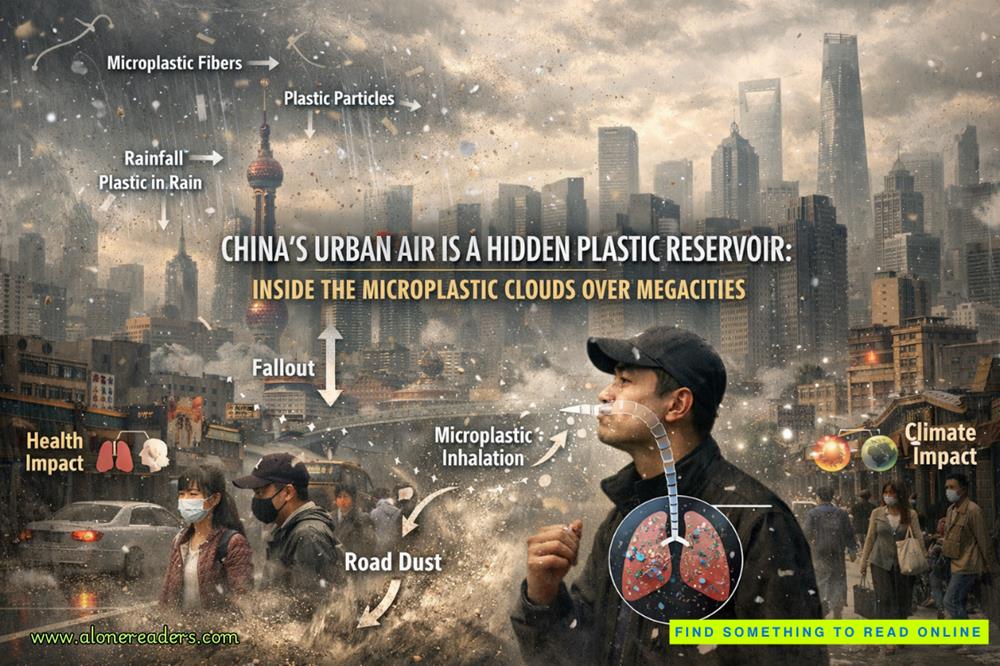 China’s Urban Air Is a Hidden Plastic Reservoir: Inside the Microplastic Clouds Over Megacities










