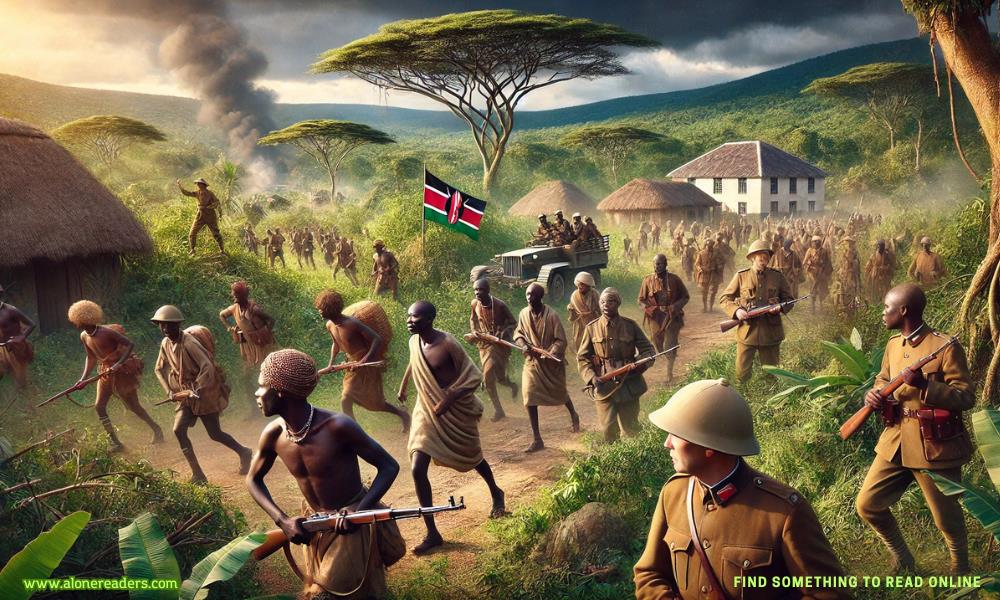
The Mau Mau Uprising, which gripped Kenya between 1952 and 1960, remains one of the most complex and contested chapters in the history of anti-colonial resistance in Africa. It was not merely a rebellion against foreign domination but a deeply rooted struggle fueled by historical grievances, land dispossession, racial discrimination, and the yearning for freedom. The revolt emerged predominantly from the Kikuyu ethnic group, although other communities were also involved, and it quickly evolved into a violent, multifaceted conflict that would test the limits of British imperial power and reshape the future of Kenya.
The roots of the Mau Mau revolt lie in decades of colonial exploitation and racial marginalization. Following the arrival of British settlers in the late 19th century, vast tracts of fertile land in central Kenya—home to the Kikuyu—were seized for white settlement. Dispossessed of their ancestral lands, many Kikuyu were forced into wage labor on European farms or squeezed into overcrowded reserves. The colonial administration introduced harsh laws that restricted African political participation, limited their economic opportunities, and enforced a rigid racial hierarchy. These injustices fermented long-standing resentment and a deep sense of betrayal among the indigenous population, especially as constitutional reforms failed to bring meaningful change.
By the late 1940s, the disillusionment culminated in the formation of underground movements committed to resisting colonial rule. One of the most prominent was the Mau Mau, a secret society whose members swore blood oaths to fight for land and freedom. While the exact origin of the name "Mau Mau" remains uncertain—some believe it was a corruption of Kikuyu phrases—the term quickly became synonymous with violent rebellion in the eyes of the British and a symbol of liberation to many Kenyans. The Mau Mau movement was largely driven by young Kikuyu radicals who had grown up under colonial oppression, many of whom had served in World War II and returned disillusioned with British promises of equality.
In October 1952, following a wave of assassinations, sabotage, and militant activity, the British government declared a State of Emergency in Kenya. Thousands of suspected Mau Mau supporters were rounded up, and prominent African political figures, including Jomo Kenyatta—who would later become the first president of independent Kenya—were arrested and imprisoned, despite their limited involvement with the militant wing. The colonial response was swift and brutal. British and loyalist African forces conducted widespread counterinsurgency operations, burning villages, forcibly relocating communities, and establishing detention camps where thousands of suspects were held under appalling conditions.
The conflict quickly spiraled into a gruesome war of attrition. Mau Mau fighters, known as "Forest Fighters," waged guerrilla warfare from the Aberdare and Mount Kenya forests, launching surprise attacks on settler farms, government outposts, and loyalist collaborators. Their strategy relied on intimate knowledge of the terrain, stealth, and the psychological power of oaths and mysticism. In response, British forces implemented a scorched-earth policy, employing brutal tactics including torture, executions without trial, and mass internment. The detention camps, euphemistically called "rehabilitation centers," became infamous for their systemic use of violence, forced labor, and re-education programs aimed at breaking the will of suspected rebels.
Casualty figures remain contested due to the secrecy surrounding British military operations and the destruction of colonial records. Estimates suggest that over 11,000 Mau Mau fighters were killed during the uprising, though the actual death toll—including civilians and those who died in detention camps—may be much higher. The official British death toll included around 100 European settlers and 200 British soldiers. However, the human cost was far greater among the African population, not only from violence but from displacement, economic disruption, and psychological trauma.
Despite the military defeat of the Mau Mau by the late 1950s, the uprising succeeded in altering the political landscape of Kenya. It exposed the untenability of British colonial rule and forced a rethinking of colonial policy in Africa. The rebellion accelerated constitutional reforms and led to greater African representation in government, culminating in Kenya’s independence in 1963. Jomo Kenyatta, once demonized as the face of Mau Mau terror, was released and became a central figure in postcolonial leadership, advocating for national unity and reconciliation.
Yet, the legacy of the Mau Mau Uprising remains divisive within Kenya and beyond. For decades after independence, the new Kenyan government, seeking stability and unity, marginalized the Mau Mau narrative, portraying it as tribal and backward. Former fighters were denied state recognition and pensions, and their sacrifices largely erased from official histories. It wasn’t until the early 2000s that the Mau Mau veterans began to receive wider acknowledgment, including legal victories against the British government for human rights abuses. In 2013, the UK government issued a formal apology and agreed to pay compensation to some of the surviving victims of colonial-era torture.
The Mau Mau Uprising is no longer viewed merely as an episode of mindless violence or terrorism, as it was once framed by colonial propaganda. Instead, it is increasingly recognized as a legitimate, if controversial, anti-colonial struggle that reflected the desperation and courage of a people denied justice. It revealed the moral contradictions of empire and the lengths to which oppressed populations will go in pursuit of freedom. It also challenges contemporary Kenya to reckon with its past, to honor those who fought for liberation, and to confront the lingering shadows of colonialism.
In historical retrospect, the Mau Mau rebellion was not just a Kenyan phenomenon but part of a broader wave of anti-colonial movements that swept across Africa in the mid-twentieth century. The violence and sacrifice it entailed underscore the human cost of imperial domination and the resilience of those who resist it. For Kenya, the uprising marked the painful yet pivotal path from subjugation to sovereignty. Today, as the country continues to evolve, the memory of Mau Mau stands as both a cautionary tale and a powerful testament to the enduring quest for self-determination.



 Top 10 Highest-Paid Professions in the United States (2025): Salaries, Roles, and Career Paths
 Top 10 Largest U.S. Companies by Revenue in 2025 (Fortune 500 Analysis)
 Top 10 Highest-Earning Global Tech Companies in 2025: Revenue, Strategy, and Market Power
 Top 10 Highest-Earning Mobile Apps in 2025: Revenue, Monetization, and Market Dominance
 ZombieAgent: Inside the Zero-Click AI Attack That Turns ChatGPT Agents into Persistent Data-Leaking Zombies
 China’s Urban Air Is a Hidden Plastic Reservoir: Inside the Microplastic Clouds Over Megacities










