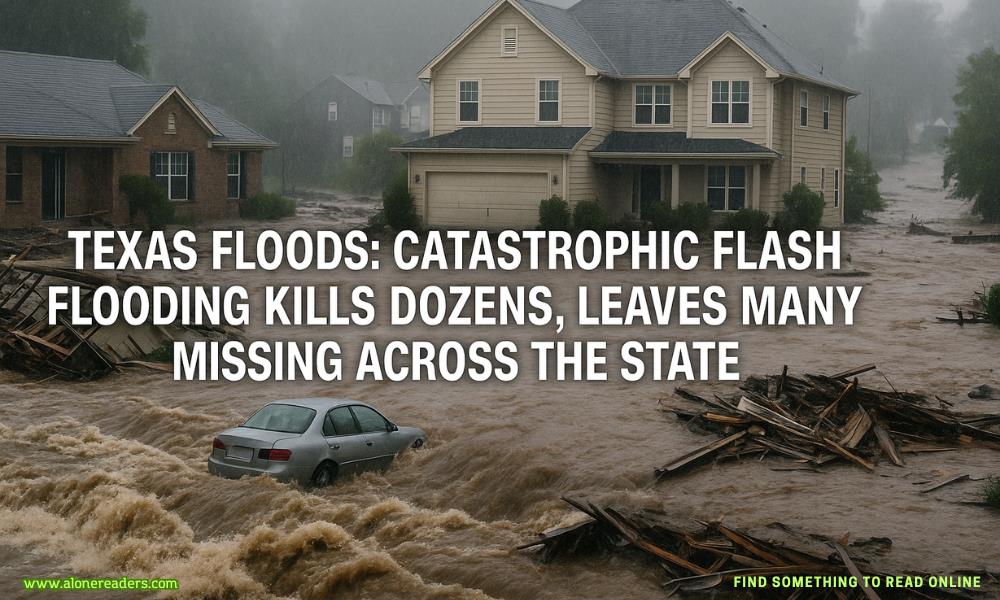
Catastrophic flash floods have devastated large swaths of Texas in one of the deadliest weather disasters the state has seen in recent history. Over the past several days, a series of intense and unrelenting storms dumped torrential rain across multiple counties, overwhelming rivers, breaking levees, and turning roadways into violent waterways. Officials have confirmed dozens of fatalities, while rescue teams continue to search for more than a hundred people who are still missing. Thousands have been displaced, with entire neighborhoods submerged, power grids crippled, and transportation routes cut off.
The disaster unfolded rapidly, beginning with an intense system of thunderstorms that stalled over central and eastern Texas, dropping more than 15 inches of rain in some areas within 24 hours. The ground, already saturated from previous rainfall, could not absorb the deluge, leading to immediate runoff into rivers, creeks, and low-lying urban zones. Cities such as Houston, Austin, San Antonio, and smaller towns in between found themselves underwater. In many locations, residents had mere minutes to react before the floodwaters entered their homes and swept away vehicles, homes, and infrastructure.
Local emergency services have been stretched thin, with helicopters, boats, and high-clearance vehicles deployed in a coordinated effort to rescue stranded residents from rooftops and flooded highways. Shelters have been opened in schools, churches, and stadiums, but capacity is already running short as more displaced people arrive by the hour. The National Guard has been activated in multiple regions, while the Federal Emergency Management Agency (FEMA) has sent disaster response teams to assess damages and assist in recovery operations.
Tragically, among the confirmed dead are entire families who were trapped inside their homes during the night, unable to escape the rapidly rising waters. In some rural areas, flash flooding destroyed all communication lines, making it difficult for emergency workers to even identify who may be in danger. Videos shared on social media show shocking scenes: cars floating down streets like debris, trees uprooted and tossed like matchsticks, and terrified residents clinging to anything solid while waiting for help.
Hospitals in several cities are operating on backup generators, with some forced to evacuate patients due to rising water levels. In Houston, one of the hardest-hit urban areas, medical centers have reported an influx of injuries related to flooding, including hypothermia, infections from contaminated water, and blunt trauma. Inmates had to be relocated from a flooded county jail, and multiple schools have closed indefinitely.
As state authorities scramble to respond, Governor Greg Abbott has declared a state of emergency across 40 counties. He emphasized that this disaster is far from over and warned that more rainfall is expected in the coming days. The National Weather Service has issued continued flash flood warnings and has urged residents in flood-prone zones to evacuate immediately or seek higher ground. Meteorologists attribute the extreme weather to a rare combination of warm Gulf moisture, stalled atmospheric pressure systems, and climate patterns that are becoming increasingly volatile.
Beyond the human toll, the economic impact is already being described as massive. Early estimates suggest billions of dollars in property damage, with businesses destroyed, crops wiped out, and key infrastructure such as bridges and rail lines severely damaged or destroyed. Major energy pipelines and refineries in Texas have been forced to shut down operations, further affecting fuel supply chains.
This disaster has reignited discussions about Texas’s aging infrastructure and lack of preparedness for climate-induced extreme weather events. Critics argue that many areas lacked proper drainage systems and that new urban developments failed to account for flood risks. Houston, in particular, has faced scrutiny for its rapid urban sprawl into floodplains without adequate mitigation strategies. While city officials defend their emergency response efforts, many residents are questioning why repeated flooding continues to have such devastating effects.
President Joe Biden addressed the nation, offering federal support and expressing condolences to the families of victims. “The entire country is with Texas during this time of unimaginable loss,” he said. The White House has approved a federal disaster declaration, unlocking funding and logistical support for local and state agencies. Meanwhile, NGOs, community organizations, and volunteers have mobilized across the state, providing hot meals, clothing, and temporary housing for those affected.
Stories of heroism have also emerged from the tragedy. In one widely shared account, a 19-year-old student used a kayak to save a dozen of his neighbors trapped in an apartment complex. In another case, a group of off-duty firefighters formed a human chain to rescue elderly residents from a nursing home that had been rapidly filling with floodwater. These stories offer some measure of hope in the midst of widespread despair.
Looking forward, the recovery will be long and grueling. Officials warn that even when the waters recede, the aftermath poses health risks due to mold, sewage contamination, and debris. Insurance claims are expected to flood the system, and many of the affected areas are home to low-income families who may lack flood insurance or the resources to rebuild. Mental health support is already being deployed, recognizing the deep psychological toll that such a sudden and traumatic event can leave on survivors.
The Texas floods of 2025 will undoubtedly be remembered as one of the most destructive natural disasters in the state’s history. As rescue efforts continue and recovery plans begin to take shape, the focus remains on finding the missing, providing shelter and food to the displaced, and ensuring that the state and country learn from this catastrophe. The message from meteorologists and climate experts is increasingly clear: such extreme weather events are no longer anomalies—they are the new normal. Without bold infrastructure upgrades and climate resilience planning, disasters like this may become a grimly recurring feature of Texas life.



 Top 10 Highest-Paid Professions in the United States (2025): Salaries, Roles, and Career Paths
 Top 10 Largest U.S. Companies by Revenue in 2025 (Fortune 500 Analysis)
 Top 10 Highest-Earning Global Tech Companies in 2025: Revenue, Strategy, and Market Power
 Top 10 Highest-Earning Mobile Apps in 2025: Revenue, Monetization, and Market Dominance
 ZombieAgent: Inside the Zero-Click AI Attack That Turns ChatGPT Agents into Persistent Data-Leaking Zombies
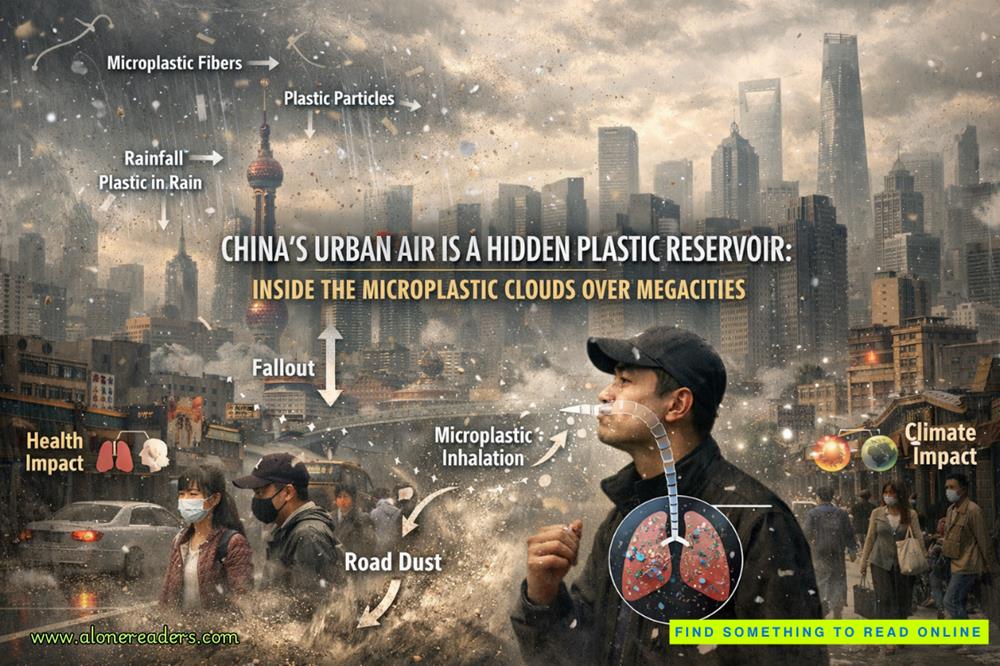 China’s Urban Air Is a Hidden Plastic Reservoir: Inside the Microplastic Clouds Over Megacities










