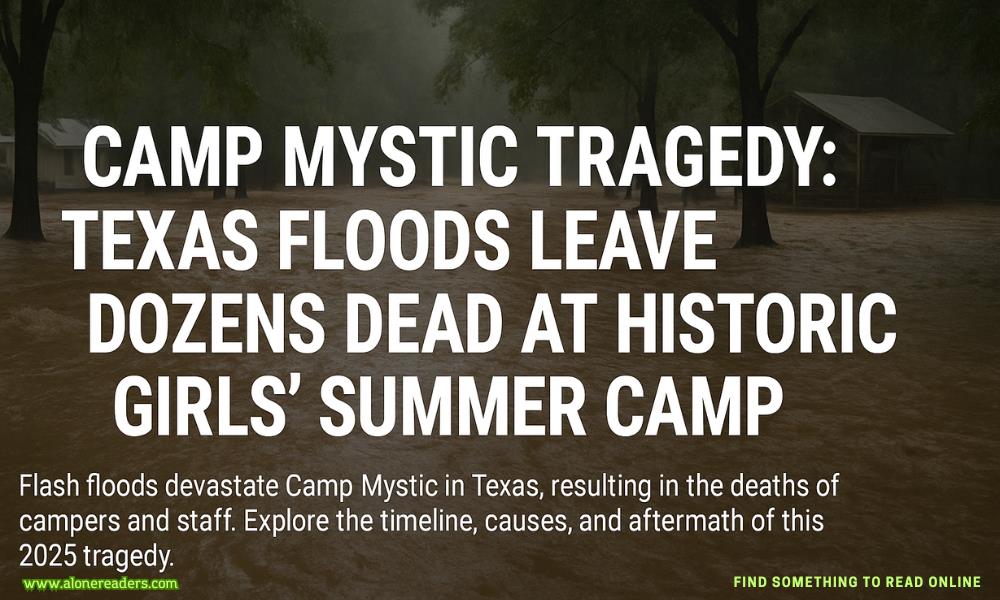
The devastating flash floods that swept through central Texas in July 2025 left a trail of destruction and heartbreak, none more severe than at Camp Mystic, a storied Christian girls’ summer camp in Kerr County. As the waters of the Guadalupe River surged without warning, Camp Mystic found itself at the epicenter of one of the state’s deadliest natural disasters in recent memory, raising urgent questions about flood preparedness, infrastructure, and the future of summer camps in flood-prone areas.
Founded in 1926, Camp Mystic has long been a cherished retreat for generations of girls aged 8 to 17. Set against the scenic banks of the Guadalupe River, the camp is known for its traditions, rustic cabins, and close-knit community. For many families across Texas and beyond, sending their daughters to Camp Mystic is a rite of passage.
In July 2025, the camp was in the midst of a typical summer session, hosting around 750 campers and staff. Despite a recent $5 million renovation, many cabins—including those closest to the river—remained in zones recognized as highly vulnerable to flooding.
A Sudden Surge
On the evening of July 4th, a band of torrential storms stalled over central Texas, dumping record amounts of rain into the Guadalupe River basin. In less than an hour, the river rose by an astonishing 26 feet—a wall of water that few could have anticipated. Alarms sounded, but the rapid rise left little time for an organized evacuation.
Chaos and Tragedy
Several cabins along the riverbank, including the historic Bubble Inn, were quickly overwhelmed. Some cabins filled with water in a matter of minutes. Counselors and staff, including Camp Director Dick Eastland, rushed to rescue girls trapped in their cabins. In heartbreaking scenes, many were unable to escape the fast-moving floodwaters. When the waters finally receded, at least 27 campers and counselors were confirmed dead, with several others missing. Survivors recounted terrifying moments of being swept from their beds, clinging to debris, and calling out for loved ones in the darkness.
Flood Zones and Renovations
Despite the camp’s recent renovations, nearly 20 cabins were located within areas designated as “extremely hazardous” flood zones. Critics now question why the $5 million overhaul did not include relocating or fortifying these vulnerable structures. Satellite images and before-and-after photos starkly illustrate the camp’s proximity to the river and the destructive power of the floodwaters.
Emergency Plans
Just two days before the disaster, Camp Mystic had passed a state inspection, which confirmed the presence of an emergency response plan. However, details about the plan’s scope, the extent of staff training, and the specific protocols for flash flooding remain unclear. Families and local officials are demanding answers about whether adequate measures were in place and if any warning systems failed during the critical moments.
Amid the chaos, stories of bravery emerged. Camp Director Dick Eastland reportedly lost his life while attempting to reach trapped campers. Counselors formed human chains and guided as many girls as possible to higher ground, despite the darkness and raging waters. Emergency crews arrived quickly but were often hampered by washed-out roads and hazardous conditions.
The Bubble Inn cabin, home to 14 young girls, became a tragic symbol of the flood. All its occupants were confirmed dead or missing, marking the single greatest loss of life in the camp’s history.
In the days following the disaster, the local community and broader Texas public rallied to support affected families. Memorials sprang up across Kerr County and beyond, while faith communities, school counselors, and local leaders coordinated grief support services for survivors and bereaved relatives.
The tragedy sparked a flood of donations and offers of help, but also led to widespread anger and frustration. Many questioned why children were housed so close to a river with a well-known flood history, especially given the increasing frequency of severe weather events in the region.
A Statewide Reckoning
The Camp Mystic tragedy has already prompted calls for statewide reviews of summer camp safety standards, particularly in regions vulnerable to flash floods. Lawmakers are discussing stricter building codes, mandatory flood insurance, and more rigorous inspection protocols for all overnight youth camps.
Ongoing Investigations
Authorities are conducting a thorough investigation into the disaster, examining everything from camp evacuation procedures to state oversight and emergency management. Early findings suggest that, despite compliance on paper, real-world disaster preparedness fell dangerously short of what was needed on that fateful night.
The floods that struck Camp Mystic in July 2025 will be remembered as one of Texas’s darkest chapters. The loss of so many young lives in a place meant for joy and growth is a sobering reminder of the power of nature—and the urgent need to learn, adapt, and protect those most vulnerable.
As families grieve and the community searches for answers, the legacy of this tragedy must drive a renewed commitment to safety, vigilance, and resilience across Texas and beyond.



 Top 10 Highest-Paid Professions in the United States (2025): Salaries, Roles, and Career Paths
 Top 10 Largest U.S. Companies by Revenue in 2025 (Fortune 500 Analysis)
 Top 10 Highest-Earning Global Tech Companies in 2025: Revenue, Strategy, and Market Power
 Top 10 Highest-Earning Mobile Apps in 2025: Revenue, Monetization, and Market Dominance
 ZombieAgent: Inside the Zero-Click AI Attack That Turns ChatGPT Agents into Persistent Data-Leaking Zombies
 China’s Urban Air Is a Hidden Plastic Reservoir: Inside the Microplastic Clouds Over Megacities