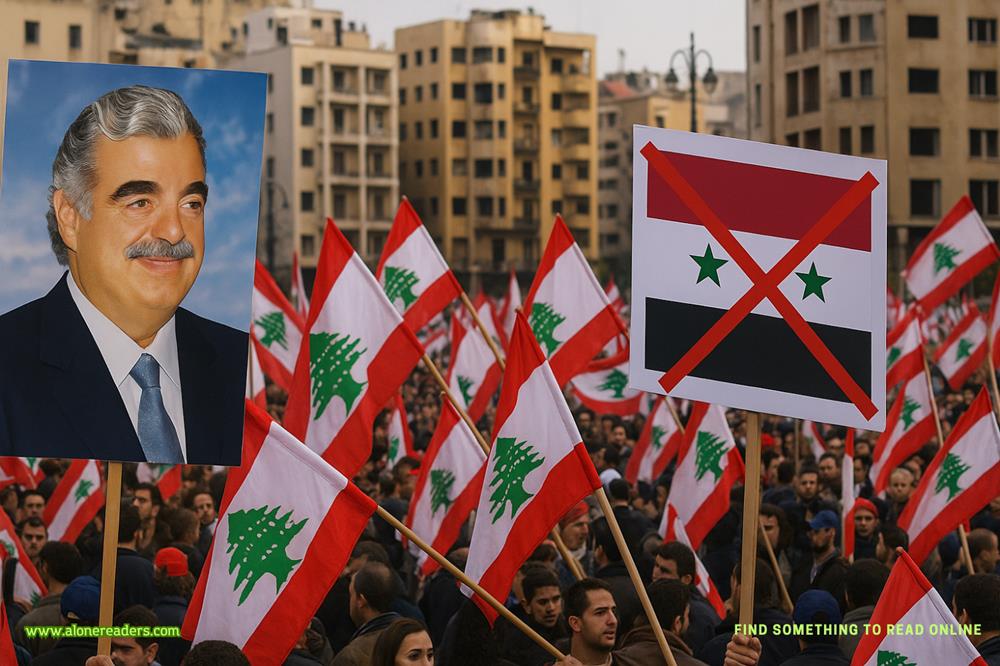
In 2005, Lebanon experienced one of the most significant political upheavals in its modern history, sparked by the assassination of former Prime Minister Rafik Hariri. His death on February 14, 2005, set off a wave of public outrage and political mobilization that became known as the Cedar Revolution. This movement was not only pivotal in shaking Lebanon’s internal political order but also played a crucial role in ending nearly three decades of Syrian military and political dominance over the country. The events of 2005 marked a turning point in Lebanon’s quest for sovereignty, sovereignty that had been compromised since the Lebanese Civil War and Syria’s subsequent military presence starting in 1976.
Rafik Hariri, a towering figure in Lebanese politics and economics, was widely regarded as a visionary leader who helped rebuild Beirut and revive Lebanon’s economy after the civil war. Hariri’s approach combined business acumen with political influence, making him a key player in Lebanese and regional politics. However, his close ties with Saudi Arabia and his opposition to Syria's overwhelming influence in Lebanon created many enemies. His assassination by a massive car bomb in Beirut was immediately suspected to be linked to Syria and its allies, although direct proof remained elusive. The killing shocked Lebanon and the international community, triggering protests and demands for an independent investigation.
The Lebanese public’s response was unprecedented. The Cedar Revolution, named after Lebanon’s iconic cedar tree symbolizing resilience and national pride, united a broad spectrum of Lebanese society. Christians, Sunnis, Druze, and other groups, typically divided along sectarian lines, found common cause in calling for the withdrawal of Syrian troops and the restoration of Lebanese sovereignty. Massive demonstrations filled Beirut’s streets, with citizens demanding the end of Syria’s 29-year military presence. This unity across sectarian and political divisions was rare in Lebanon’s fragmented society and underscored the deep desire for self-determination.
International actors played a significant role in the unfolding drama. The United Nations Security Council passed Resolution 1559 in 2004, calling for the withdrawal of all foreign forces from Lebanon and the disarmament of militias. After Hariri’s assassination, international pressure on Syria intensified, particularly from Western countries and the Arab League. The UN investigation, led by a team of international experts, aimed to uncover the perpetrators and their motives. While Syria denied involvement, the mounting diplomatic and economic pressure, along with widespread public unrest inside Lebanon, forced Syrian President Bashar al-Assad to reconsider his stance.
By April 2005, Syrian troops began their withdrawal from Lebanon, ending a long chapter of Syrian military control. This withdrawal was hailed as a victory for Lebanese independence and the Cedar Revolution, demonstrating the power of popular protest and international diplomacy combined. However, the political vacuum left behind was complex and fraught with challenges. Lebanon’s sectarian-based political system meant that deep divisions and external influences did not simply disappear with Syria’s exit. Instead, the country faced a new phase of instability marked by competing political factions, Hezbollah’s continued armed presence, and ongoing interference from regional powers.
The assassination also sparked a wave of political reforms and realignments within Lebanon. Hariri’s son, Saad Hariri, emerged as a central political figure, inheriting his father’s legacy and continuing to push for Lebanese sovereignty and economic development. However, Lebanon’s political landscape remained deeply polarized between pro-Syrian and anti-Syrian factions. The tension between these groups sometimes escalated into violent clashes, threatening to undo the fragile gains made by the Cedar Revolution. Despite this, the 2005 events had permanently altered the trajectory of Lebanese politics, empowering civil society and setting a precedent for mass mobilization against foreign domination.
The international investigation into Hariri’s assassination continued for years, eventually leading to the establishment of the Special Tribunal for Lebanon (STL) in 2007. This tribunal aimed to prosecute those responsible for the attack, which added another layer of complexity to Lebanon’s already tense political environment. While some indictments were made, the trial proceedings intensified political tensions between Hezbollah and other Lebanese factions, as the group was implicated in the attack. This further complicated Lebanon’s internal dynamics and its relations with Syria and other regional actors.
Lebanon’s experience in 2005 serves as a potent example of how political assassination can trigger profound national movements that challenge entrenched power structures. The Cedar Revolution demonstrated the potential of unified civic action to demand sovereignty and democratic reform, even in a deeply divided society. Yet, it also highlighted the persistent fragility of Lebanon’s political system, which continues to grapple with sectarianism, foreign influence, and the threat of renewed violence.
In the years since 2005, Lebanon has faced numerous crises, including economic collapse, political deadlock, and the devastating Beirut port explosion in 2020. These ongoing challenges are rooted, in part, in the unresolved tensions and incomplete reforms that followed the Cedar Revolution and Syria’s withdrawal. Nevertheless, the events of 2005 remain a watershed moment in Lebanon’s modern history, symbolizing a collective aspiration for freedom, justice, and national dignity amid a turbulent regional context.
The legacy of Rafik Hariri and the Cedar Revolution continues to inspire many Lebanese today who seek a future where Lebanon can govern itself free from external interference and internal strife. While Lebanon’s path remains uncertain, the spirit of 2005 endures as a reminder of the power of popular resistance and the enduring hope for a sovereign and peaceful Lebanon.



 Top 10 Highest-Paid Professions in the United States (2025): Salaries, Roles, and Career Paths
 Top 10 Largest U.S. Companies by Revenue in 2025 (Fortune 500 Analysis)
 Top 10 Highest-Earning Global Tech Companies in 2025: Revenue, Strategy, and Market Power
 Top 10 Highest-Earning Mobile Apps in 2025: Revenue, Monetization, and Market Dominance
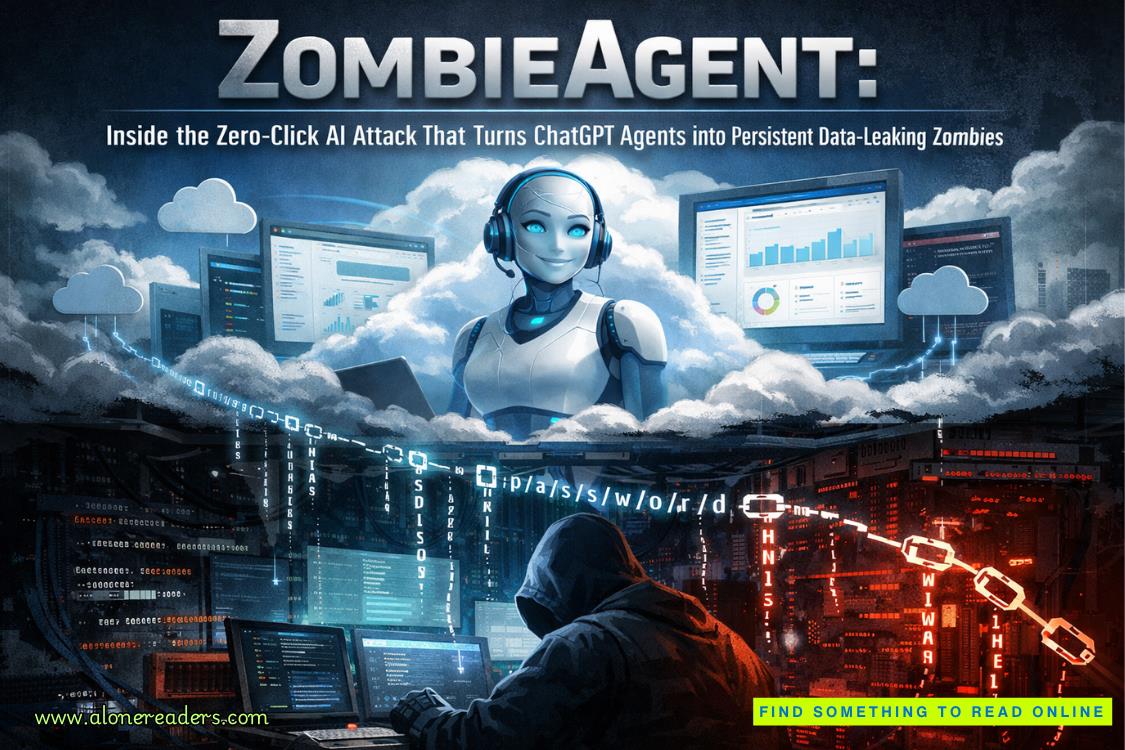 ZombieAgent: Inside the Zero-Click AI Attack That Turns ChatGPT Agents into Persistent Data-Leaking Zombies
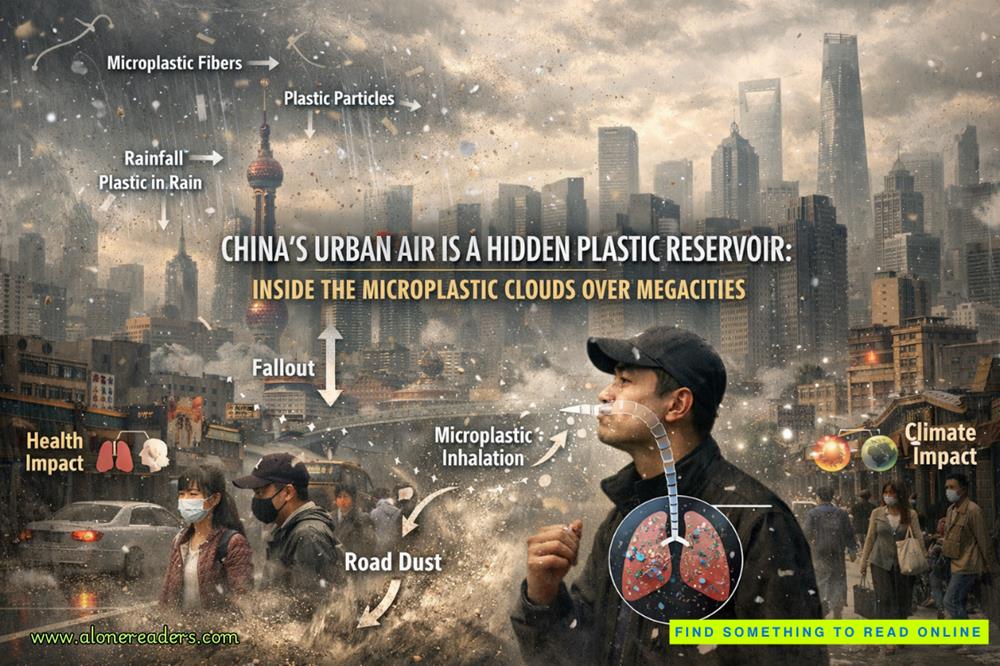 China’s Urban Air Is a Hidden Plastic Reservoir: Inside the Microplastic Clouds Over Megacities










