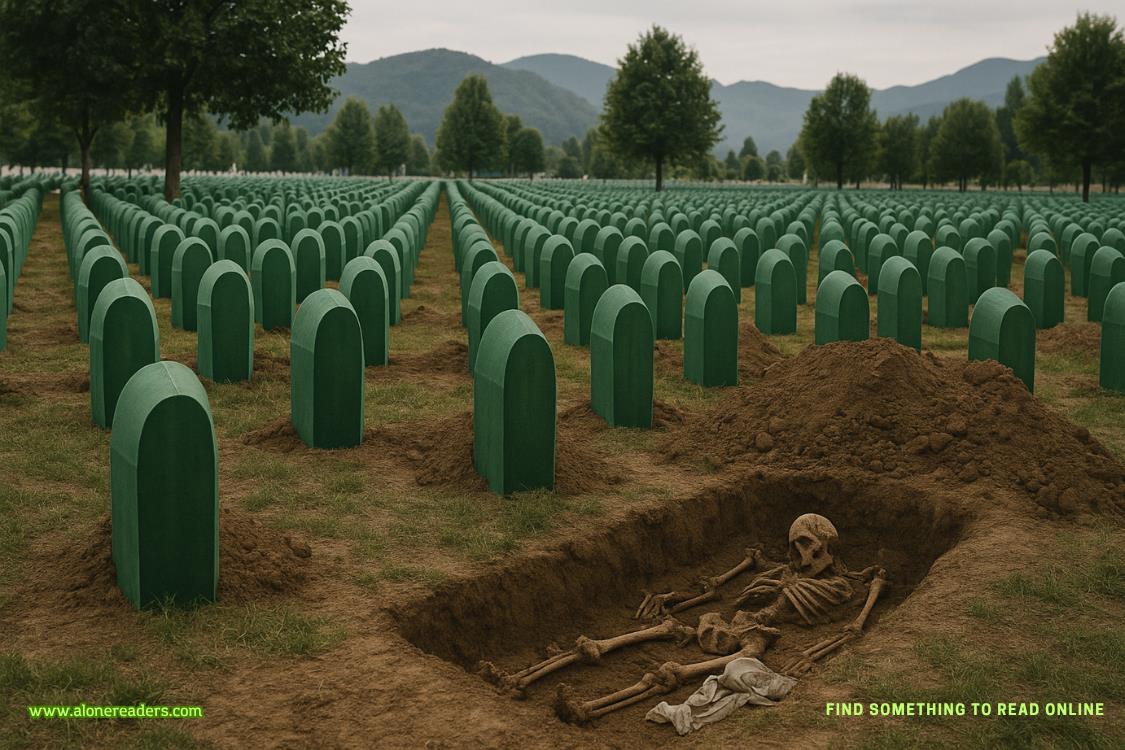
In July 1995, during the Bosnian War, the town of Srebrenica in Bosnia and Herzegovina became the site of one of the most horrific atrocities in post-World War II Europe. What unfolded there was a calculated and systematic massacre of more than 8,000 Bosniak Muslim men and boys, an act now recognized as genocide by international courts. This tragic event, known as the Srebrenica massacre or Srebrenica genocide, exposed the brutal realities of ethnic conflict and marked a dark chapter in European history, emphasizing the devastating consequences of hatred, nationalism, and political failure.
Srebrenica was declared a United Nations "safe area" in 1993, intended to provide refuge for civilians amidst the escalating Bosnian War. However, this declaration failed to protect its residents. On July 11, 1995, Bosnian Serb forces led by General Ratko Mladić launched an offensive against the enclave, overpowering the lightly armed Dutch UN peacekeepers assigned to protect it. The peacekeepers, lacking adequate manpower and clear authority to resist the assault, could not prevent the capture of Srebrenica.
Following the takeover, Bosnian Serb forces systematically separated men and boys from women and younger children. Over the next several days, approximately 8,000 males, ranging from teenagers to elderly men, were executed. Many were buried in mass graves or forcibly disappeared, with some bodies later exhumed and reburied in secondary graves to conceal evidence. The massacre's brutality extended beyond killings, including widespread rape and abuse directed primarily at Bosniak women, further highlighting the horrific scope of war crimes committed during this period.
The international community’s response to the Srebrenica massacre has been widely criticized for its failure to prevent or halt the atrocity. Despite warnings and intelligence about the impending attack, the UN and NATO were slow and ineffective in taking decisive action. The massacre exposed significant weaknesses in peacekeeping operations and raised profound questions about international commitments to human rights protection and conflict intervention. This failure sparked intense reflection and reform efforts aimed at preventing future genocides and improving the effectiveness of international peacekeeping missions.
In 2004, the International Criminal Tribunal for the former Yugoslavia (ICTY) formally declared the Srebrenica massacre an act of genocide, a classification later affirmed by the International Court of Justice. Several Bosnian Serb military and political leaders, including Ratko Mladić and Radovan Karadžić, were indicted and later convicted for their roles in orchestrating the massacre and other war crimes during the Bosnian conflict. These trials were historic in holding individuals accountable for genocide and crimes against humanity, setting important legal precedents for international justice.
The massacre profoundly impacted Bosnia and Herzegovina’s post-war society, leaving deep wounds among survivors and families of victims. Efforts at reconciliation and remembrance have been ongoing, with memorial sites established to honor those who lost their lives and educate future generations. July 11 is observed annually as the Day of Remembrance of the Srebrenica genocide, a solemn occasion marked by ceremonies that reaffirm the commitment to “never again” allow such atrocities.
The Srebrenica genocide serves as a grim reminder of the consequences of unchecked ethnic hatred, political manipulation, and international inaction. It highlights the fragility of peace in multi-ethnic societies and the critical importance of timely and robust responses to prevent mass atrocities. As Europe’s worst act of genocide since World War II, Srebrenica remains a symbol of the need for vigilance, justice, and education in the fight against genocide and ethnic cleansing worldwide.
In broader terms, the Srebrenica massacre catalyzed changes in international law and humanitarian intervention. The failure to prevent it influenced the development of doctrines such as the Responsibility to Protect (R2P), which emphasize the international community’s duty to intervene when states fail to protect their populations from mass atrocities. The lessons learned continue to inform global efforts to prevent genocide and promote peace, making Srebrenica a critical case study in modern human rights discourse.
Despite the passage of time, Srebrenica’s legacy endures in ongoing challenges faced by Bosnia and Herzegovina, including political fragmentation, ethnic tensions, and the struggle for a unified national identity. The scars of war remain visible in the social fabric, influencing politics, society, and regional relations. Recognizing and confronting this past is essential not only for healing but also for building a stable and inclusive future in the Balkans and beyond.
In conclusion, the Srebrenica massacre was a catastrophic failure of humanity and international protection that led to one of the most heinous genocides in recent European history. It exposed the dangers of ethnic nationalism and the tragic consequences of political and military failures. The memory of Srebrenica compels ongoing efforts to uphold human rights, ensure justice for victims, and prevent future genocides anywhere in the world. Understanding this dark event helps preserve the lessons learned and honors the lives lost in the quest for peace and reconciliation.



 Top 10 Highest-Paid Professions in the United States (2025): Salaries, Roles, and Career Paths
 Top 10 Largest U.S. Companies by Revenue in 2025 (Fortune 500 Analysis)
 Top 10 Highest-Earning Global Tech Companies in 2025: Revenue, Strategy, and Market Power
 Top 10 Highest-Earning Mobile Apps in 2025: Revenue, Monetization, and Market Dominance
 ZombieAgent: Inside the Zero-Click AI Attack That Turns ChatGPT Agents into Persistent Data-Leaking Zombies
 China’s Urban Air Is a Hidden Plastic Reservoir: Inside the Microplastic Clouds Over Megacities










