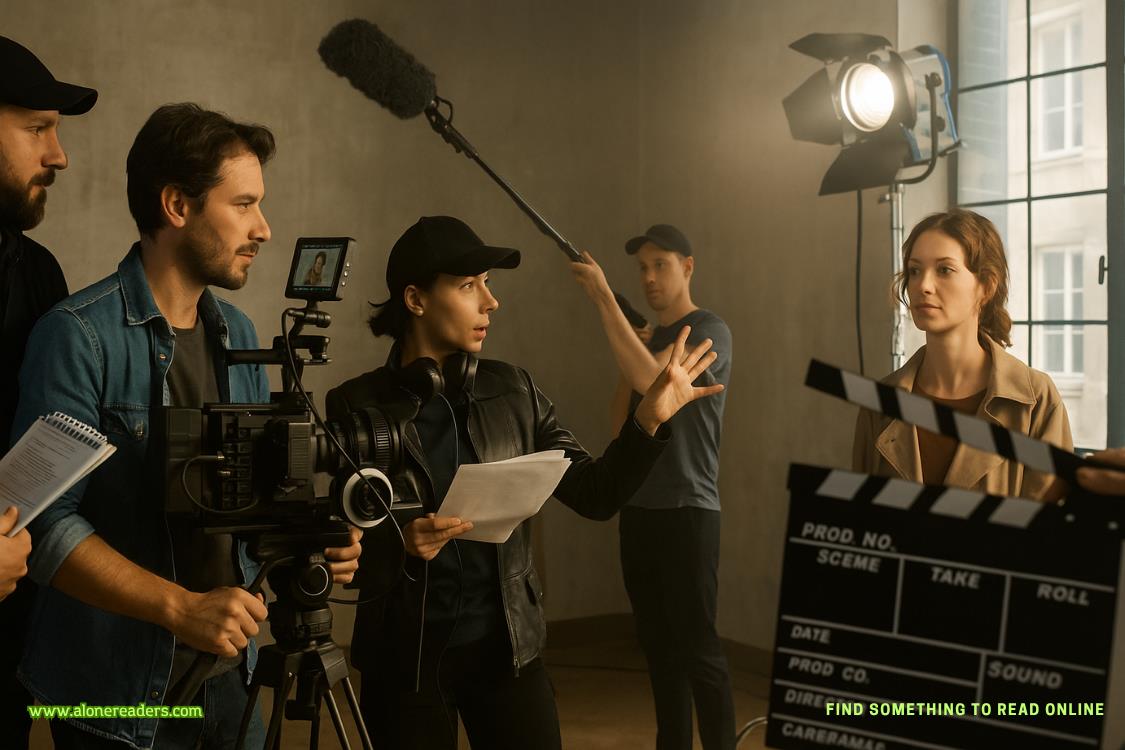
Every captivating film is much more than what we see on the screen. Behind the immersive worlds, compelling characters, and seamless storytelling is a complex network of creative decisions, technical mastery, and tireless collaboration. The art of film making is an intricate ballet, choreographed by directors, realized by technicians, and enlivened by performers—each playing a critical part behind the scenes. Delving deep into the mechanics and artistry, this article reveals what it truly takes to transform an idea into cinematic reality.
Conception and Writing: The Blueprint of Storytelling
Every film begins as an idea—sometimes a vivid vision, sometimes a fleeting thought. Scriptwriters develop this into a screenplay, crafting structure, dialogue, and pacing. At this stage, writers and directors work closely to define character arcs, tone, and the emotional core of the story. Treatments, outlines, and multiple drafts are reviewed and revised before a final script is “locked.”
Securing Rights and Funding: The Producer’s Gamble
Before cameras roll, legal and financial foundations are set. Producers secure rights (for original or adapted material), assemble the production team, and attract investors. Pitch decks and lookbooks, often prepared by the director and cinematographer, are used to communicate the vision to studios and financiers.
Casting and Key Crew: Choosing the Dream Team
Casting directors search for talent capable of embodying complex characters. Simultaneously, heads of departments—cinematography, production design, costume, makeup, sound, and more—are recruited. These are the creative partners who will shape the film’s unique aesthetic and practical realization.
Storyboarding and Previsualization: Mapping the Movie
Directors, often with storyboard artists and cinematographers, translate the script into a visual plan. Storyboards offer a shot-by-shot breakdown, essential for planning camera angles, lighting, and movement. For complex scenes, previsualization (previs) may involve 3D animatics or computer-generated layouts to anticipate technical challenges.
Scouting Locations and Building Sets
Location managers hunt for real-world sites that match the director’s vision, weighing logistics, cost, and weather. Meanwhile, production designers and art directors design sets, props, and environments, whether constructing from scratch or modifying existing locations. These elements must be both visually compelling and functional for shooting.
Directing: The Visionary at Work
On set, the director leads, but true power lies in collaboration. The director communicates intent to actors and crew, shaping performances and coordinating visual style. Great directors are adaptable—responding to spontaneous inspiration or unforeseen setbacks.
Cinematography: Painting with Light and Lenses
The director of photography (DP) designs the look of each frame, balancing artistic vision with technical constraints. Choices about camera type, lenses, filters, and lighting all contribute to the film’s mood. For example, a handheld camera evokes urgency, while a dolly shot can impart grandeur. Lighting must support both story and actor visibility, often requiring subtle tweaks for each shot.
Art Department: Breathing Life Into Worlds
Production designers, art directors, set decorators, and prop masters create the physical universe of the film. Every object, texture, and color serves a purpose—conveying character, setting, and theme. In period films or sci-fi, authenticity or imaginative invention is essential, requiring extensive research and craftsmanship.
Sound on Set: Capturing More Than Dialogue
The sound department, led by the production sound mixer, records dialogue and ambient noise. Boom operators must be invisible, maneuvering microphones out of the frame but close enough for crisp audio. Many directors also capture “room tone” at each location, vital for seamless sound editing.
Makeup, Hair, and Costume: Building Believable Characters
Actors are transformed daily through makeup, hairstyling, and wardrobe. Designers work closely with the director and DP to ensure looks are consistent with character development and compatible with lighting setups. Continuity is tracked meticulously—any error can disrupt the audience’s immersion.
Managing the Schedule: The Assistant Director’s Domain
The first assistant director (1st AD) is the logistical heartbeat of a film set. Responsible for breaking down the script, creating shooting schedules, and managing on-set safety, the 1st AD ensures efficiency and minimizes delays. Weather, actor availability, and technical setbacks all require nimble adjustment.
On-Set Challenges: Problem Solving in Real Time
Production rarely proceeds exactly as planned. Weather can halt an outdoor shoot, equipment might malfunction, or an actor may fall ill. Creative problem-solving and flexibility are essential. Sometimes, on-the-fly rewrites or improvisations lead to iconic moments.
Editing: Storytelling in the Cutting Room
Editing is where the film truly comes alive. Editors, working closely with the director, select the best takes, adjust pacing, and craft the emotional rhythm of the story. This stage often involves reordering scenes, trimming dialogue, and sometimes even reshaping the narrative. The “rough cut” evolves through feedback into the “locked cut.”
Sound Design and ADR: Shaping the Sonic World
In post-production, sound designers create a rich audio landscape. Foley artists add realistic sounds—footsteps, rustling clothes, clinking glasses—while dialogue may be re-recorded in studio (Automated Dialogue Replacement, or ADR) for clarity. Original scores and licensed music are mixed in, contributing dramatically to mood and pacing.
Visual Effects: Expanding Creative Boundaries
Many modern films rely heavily on visual effects (VFX). From subtle digital enhancements to fully computer-generated environments, VFX artists integrate these seamlessly with live-action footage. Achieving realism often means painstaking frame-by-frame work, especially when blending physical and digital elements.
Color Grading: The Final Touch
Colorists adjust the color palette of each shot to ensure consistency and to reinforce the film’s tone. A warm, golden hue might suggest nostalgia, while desaturated colors can evoke bleakness. This process can dramatically alter the audience’s subconscious perception.
The Importance of Teamwork and Morale
Successful film making hinges on teamwork. From the most junior runner to the director, every crew member’s contribution matters. Clear communication, respect for each department’s expertise, and shared problem-solving are critical to navigating the intense, high-pressure environment of a film set.
Set Etiquette and Hierarchies
Film sets are defined by hierarchy, but also by a culture of mutual support. Each department has protocols—lighting must be set before the camera rolls, sound must call for silence, and actors need space to prepare. Professionalism and trust are essential, especially during long or night shoots.
Dealing with Creative Differences
Tensions and creative disagreements are inevitable. The director, while the ultimate authority, must balance their vision with input from key collaborators. Many of the greatest film moments arise from compromise, negotiation, or happy accident.
Test Screenings and Feedback
Before release, films are often shown to test audiences. Viewer feedback may prompt changes—re-edits, reshoots, or alternate endings. Studios weigh artistic intent against commercial potential, sometimes creating tension between creators and financiers.
Marketing and Distribution: Bringing the Film to Audiences
The journey isn’t over once the film is finished. Marketing teams create trailers, posters, and media campaigns, while distribution partners arrange cinema releases or streaming deals. The film’s success depends as much on strategic promotion as on creative achievement.
The magic of film is not just in the spectacle, but in the countless invisible choices, collaborations, and challenges behind the scenes. From the first kernel of an idea to the final frame, film making is a true marriage of artistry and discipline—a world where vision meets reality through the dedication of hundreds, sometimes thousands, of passionate professionals. Next time you watch a movie, remember: every moment is the result of meticulous craft, unseen effort, and the relentless pursuit of cinematic excellence.



 Château de Vincennes: France’s Forgotten Royal Fortress and Medieval Stronghold
 Château de Carcassonne: Europe’s Greatest Medieval Citadel and Fortress
 Château de Chenonceau: The Castle Built by Remarkable Women
 Château de Chambord: France’s Magnificent Renaissance Castle and Architectural Wonder
 Tehri Dam: India's Tallest Dam and the Debate Behind It
 Bhakra Nangal Dam: India's Temple of Modern Development