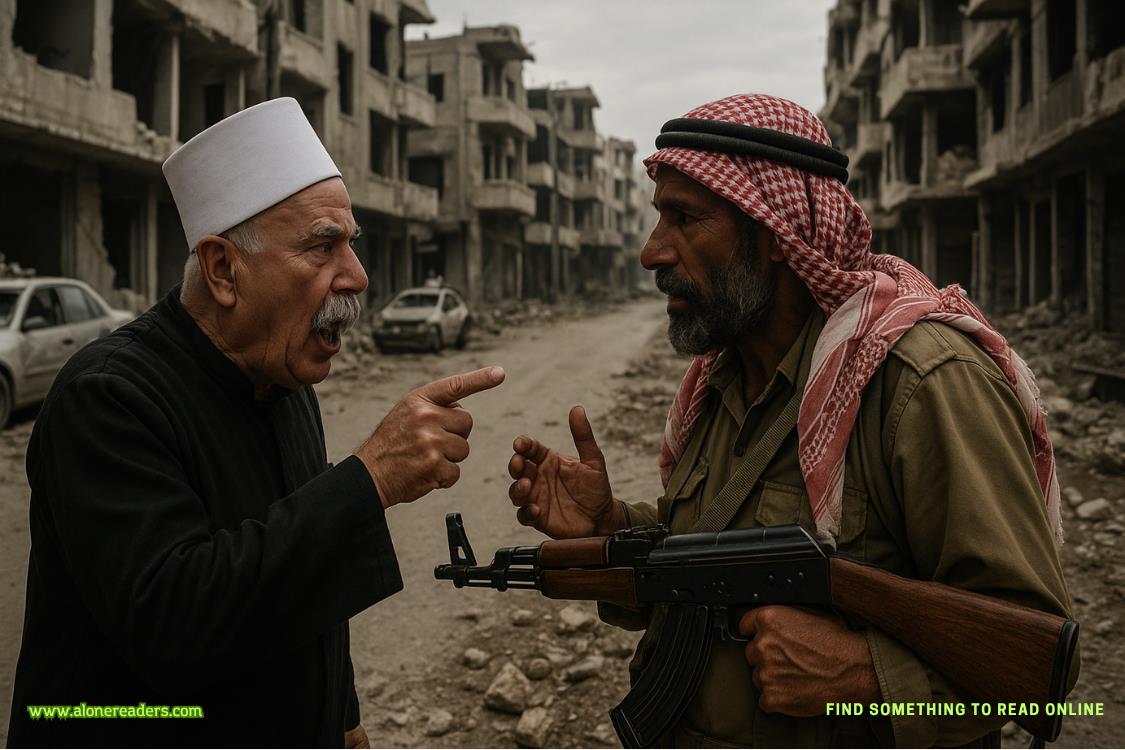
The complex and often violent interactions between Druze and Bedouin communities in Syria are rooted in centuries of historical tension, competition for resources, sectarian differences, and the legacy of regional and national politics. Unlike generalized portrayals of “sectarian conflict,” the fighting between Druze and Bedouin in Syria is fueled by a unique mixture of historical grievances, land disputes, shifting alliances, and manipulation by state and non-state actors. This article delves deeply into these specific causes, providing a specialist-level exploration of why these two groups find themselves in periodic confrontation.
Druze Historical Identity and Settlement Patterns
The Druze, an esoteric ethno-religious group, trace their roots to the 11th century and have historically settled in mountainous regions, especially in southern Syria, notably Jabal al-Druze (modern-day As-Suwayda Governorate). Their choice of geography was partly for security, as the mountains offered protection against persecution and allowed them to maintain a distinct identity.
Bedouin Nomadic Heritage and Territorial Mobility
In contrast, the Bedouin are traditionally nomadic Arab tribes whose livelihoods depended on seasonal movement across the steppe and desert regions of Syria, seeking pasture for their flocks. Their mobility put them in frequent contact—and sometimes in competition—with settled agricultural and semi-nomadic groups like the Druze.
Early Interactions: Cooperation and Conflict
Historically, the relationship between Druze and Bedouin was not uniformly hostile; periods of cooperation, especially involving trade and mutual defense, existed alongside episodes of raiding, land disputes, and rivalry. These patterns set the stage for the current complexities in their relations.
Scarcity of Arable Land and Water Resources
One of the most persistent and concrete sources of friction is competition over scarce resources. As-Suwayda, the Druze heartland, borders arid and semi-arid areas traditionally traversed by Bedouin tribes. As agriculture expanded in the 20th century and more Druze settled the land, traditional Bedouin grazing routes and water access points were gradually restricted.
Government Land Reforms and Unintended Consequences
Land reform initiatives by the Syrian state in the 20th century, which aimed to settle nomadic populations and increase agricultural productivity, often ended up intensifying disputes. Bedouin tribes were encouraged or sometimes forced to settle, while Druze communities expanded their agricultural holdings. Overlapping land claims, unclear legal status, and state favoritism (perceived or real) aggravated tensions and led to sporadic violence.
Water Wells and Agricultural Expansion
Access to water wells in dry areas became a major flashpoint. During drought years, Bedouin herders would drive their animals toward Druze villages with reliable water sources, sometimes sparking violent confrontations. Druze farmers, for their part, accused Bedouins of overgrazing and damaging cultivated fields.
Druze Religious Distinctiveness and In-Group Solidarity
The Druze community maintains a strong sense of internal cohesion rooted in their unique faith, secretive religious practices, and endogamy (marriage within the community). This fosters a “siege mentality” and a readiness to defend communal boundaries, both physically and culturally.
Bedouin Tribal Structure and Codes of Honor
Bedouin society is organized along tribal lines, with a code of honor (sharaf) that demands swift response to perceived slights or encroachments. This code can escalate minor disputes over land, livestock, or women into prolonged feuds or collective reprisals.
Trigger Events and Escalation Dynamics
Conflicts often begin with isolated incidents—a fight over pasture, a stolen animal, a personal altercation—that quickly escalate due to communal honor codes and the expectation of collective response. This “chain reaction” effect is exacerbated in rural areas with weak state authority.
Ottoman and French Mandate Legacy
The legacy of Ottoman and later French Mandate rule shaped communal boundaries and inter-group politics. The French, in particular, used a policy of “divide and rule,” granting certain privileges to the Druze (including limited autonomy in Jabal al-Druze) while manipulating tribal politics among the Bedouin.
Modern Syrian State: Divide and Control
Under both the Ba’ath Party and the Assad regimes, the Syrian state has continued to play local groups against one another to maintain control. Security forces have at times turned a blind eye to local disputes, intervened on behalf of one group, or recruited local militias along communal lines, reinforcing divisions.
Arming of Militias and Breakdown of Central Authority
The outbreak of the Syrian Civil War in 2011 fundamentally changed the balance of power in many regions. As the state lost its grip, Druze communities armed themselves in self-defense militias (often with tacit or explicit support from the government), while some Bedouin tribes aligned with opposition or jihadist groups, particularly in the south and east. The influx of weapons, the collapse of law enforcement, and the proliferation of armed actors have made violent clashes more frequent and deadly.
Israeli and Jordanian Borders
The proximity of the Druze region to the Israeli and Jordanian borders adds another layer of complexity. Cross-border smuggling, infiltration by armed groups, and the strategic importance of the border regions have brought additional pressures. Both Israel and Jordan have periodically engaged with local Druze and Bedouin actors to secure their own interests, sometimes fueling local rivalries.
Involvement of Jihadist Groups
The arrival of jihadist groups such as ISIS and Jabhat al-Nusra, particularly in southern Syria, further destabilized the situation. These groups have recruited from Bedouin tribes, sometimes using anti-Druze rhetoric, while the Druze mobilized defensively. This has led to cycles of violence marked by massacres, hostage-taking, and population displacement.
Collapse of Traditional Livelihoods
Both Druze and Bedouin communities have been deeply affected by Syria’s economic collapse. Drought, destruction of infrastructure, and loss of markets have forced many into illicit activities such as smuggling, arms dealing, or banditry. Competition for dwindling economic opportunities exacerbates existing tensions.
War Economy and Smuggling
As the war dragged on, some Bedouin and Druze groups became involved in the “war economy”—smuggling, protection rackets, or acting as intermediaries between government and opposition areas. These economic rivalries often mirror and intensify communal animosities.
Young Men, Unemployment, and Recruitment by Armed Groups
High levels of youth unemployment make both communities fertile ground for recruitment by militias, criminal gangs, or extremist factions. Young men, seeking income and status, may be drawn into violence that is justified in communal terms but often has economic motives.
Rapid Spread of Rumors
Social media and mobile communication have made it easier for rumors—true or false—to spread rapidly in rural Syria. Stories of attacks, insults, or betrayals, often unverified, can provoke immediate mobilization and reprisals.
Collective Memory and the Perpetuation of Grievance
Every new incident is quickly folded into a collective narrative of historical grievance. Old feuds are recalled, recent martyrs are venerated, and reconciliation becomes increasingly difficult. This perpetuates a cycle of mistrust and readiness for conflict.
Local Mediation and Traditional Mechanisms
Despite the challenges, traditional mechanisms for conflict resolution—tribal elders, Druze religious leaders, and local notables—still play a role. In some areas, ceasefires or local agreements have temporarily reduced violence. However, these efforts are fragile and vulnerable to sabotage by external actors or criminal interests.
Need for Inclusive State Policy
Long-term reconciliation will require an inclusive approach by the Syrian state, addressing land rights, economic recovery, and communal security in a balanced manner. Otherwise, any stability achieved will remain precarious, and the roots of conflict will persist.
The fighting between Druze and Bedouin in Syria cannot be reduced to a simple story of sectarian strife. It is driven by a complex web of historical land disputes, economic hardship, social codes, and manipulation by local and external actors. Only a nuanced, multi-layered approach can hope to address the deep causes of this conflict and lay the groundwork for lasting peace in Syria’s south.



 Top 10 Highest-Paid Professions in the United States (2025): Salaries, Roles, and Career Paths
 Top 10 Largest U.S. Companies by Revenue in 2025 (Fortune 500 Analysis)
 Top 10 Highest-Earning Global Tech Companies in 2025: Revenue, Strategy, and Market Power
 Top 10 Highest-Earning Mobile Apps in 2025: Revenue, Monetization, and Market Dominance
 ZombieAgent: Inside the Zero-Click AI Attack That Turns ChatGPT Agents into Persistent Data-Leaking Zombies
 China’s Urban Air Is a Hidden Plastic Reservoir: Inside the Microplastic Clouds Over Megacities










