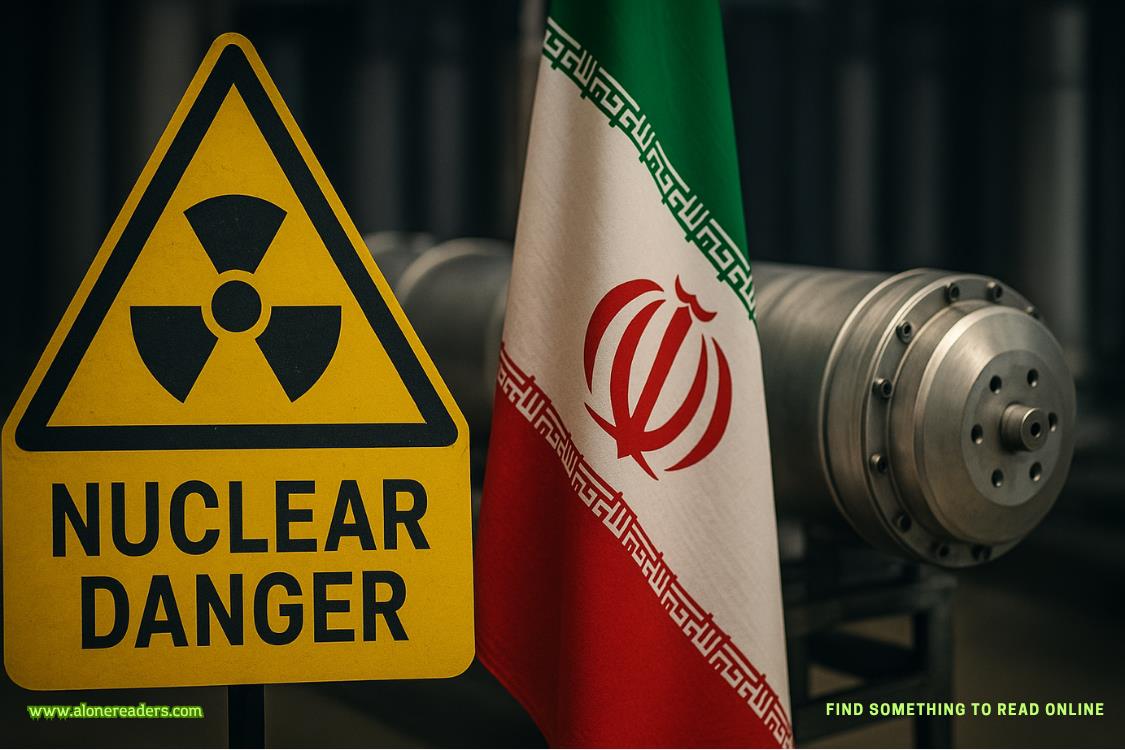
Since the turn of the 21st century, Iran’s nuclear program has fueled some of the most heated debates in global security circles. Politicians, intelligence agencies, and military strategists have oscillated between alarm and diplomacy, with the core question ever-pressing: How close is Iran to actually preparing a nuclear weapon? Despite years of speculation and a barrage of political posturing, the real answer is deeply technical, nuanced, and entwined with layers of international diplomacy, technological advancement, and covert activities. This article unpacks the true state of Iran’s nuclear program in 2025, using the latest available information and deep technical understanding.
What Does It Take to Build a Nuclear Weapon?
Before assessing Iran’s progress, it’s crucial to understand that building a nuclear weapon requires mastering three fundamental elements:
Progress in each of these areas must converge for a state to field a usable nuclear weapon.
The Role of Uranium Enrichment
At the core of every nuclear weapon lies highly enriched uranium (HEU) or plutonium. Iran’s program is centered around uranium enrichment, using thousands of gas centrifuges spread across several facilities, most notably Natanz and Fordow.
Iran’s Current Enrichment Capabilities in 2025
As of early 2025, Iran is known to operate advanced centrifuge models (IR-4, IR-6, and even prototypes beyond the IR-8). The country’s enriched uranium stockpile reportedly contains significant quantities of uranium enriched to 20% and, crucially, to levels just below weapons-grade (about 60%).
Weapons-grade uranium is defined as uranium enriched to 90% or more. While 20% is called “highly enriched,” 60% is a significant technical leap closer to weaponization—reaching 90% is mostly a matter of running the material through centrifuges for a few more cycles.
Iran’s Estimated “Breakout Time”
“Breakout time” refers to how long it would take Iran to produce enough weapons-grade uranium for one bomb if it chose to do so.
Hidden Stockpiles and Undeclared Activities
It is widely believed that Iran’s official stockpile figures understate its true capabilities. Inspections by the International Atomic Energy Agency (IAEA) have been restricted at times, and there are concerns about undeclared enrichment sites or hidden stockpiles. Advanced centrifuges and growing technical know-how reduce the time and complexity needed to produce bomb-grade material even further.
Weaponization—The Hardest Technical Barrier
Even with sufficient weapons-grade uranium, Iran must convert the material into metal, shape it into weapon components, and design an explosive device capable of achieving a nuclear yield.
This step is highly technical and shrouded in secrecy, involving:
Has Iran Mastered Weaponization?
The global intelligence consensus is that Iran has previously conducted significant research on weaponization, particularly in the so-called “Amad Plan” (halted around 2003), which reportedly included warhead design and high-explosive testing. While the program’s military dimension was supposedly suspended, there is evidence that at least some weaponization work continued covertly in dispersed research institutions.
Missiles, Aircraft, and Other Delivery Platforms
Iran has invested heavily in its missile program, particularly medium- and long-range ballistic missiles, many of which are capable of carrying payloads suitable for a nuclear warhead.
Readiness for Deployment
The real-world deployment of a nuclear-tipped missile requires reliable miniaturization of the warhead and rigorous testing. As of 2025, it is widely believed Iran has not conducted all the necessary integration and re-entry tests but possesses enough technical data from prior conventional missile programs to close the gap quickly if the decision is made.
Weaponization Requires Political Will, Not Just Technical Ability
Even if Iran is technically capable of building a bomb, the final barrier remains a political decision from the country’s supreme leadership.
What Would Trigger Iran to Go Nuclear?
Key triggers could include a total collapse of nuclear diplomacy, direct military threats to the regime, or the acquisition of nuclear weapons by regional rivals (such as Saudi Arabia).
Covert Activities and the Limits of Inspections
A crucial factor is the possibility of clandestine sites and parallel covert programs.
The Unknowns of Weaponization Progress
While enrichment activities can be monitored to some extent, weaponization and warhead integration work is much easier to hide, particularly if it occurs in military or intelligence-linked sites.
A Step-by-Step Timeline
If Iran’s leadership were to decide today to rush for a bomb, the likely timeline would look like this:
It is feasible that a crude, deliverable device could be ready in less than a year, with technical difficulties and unforeseen complications being the main obstacles.
Iran stands closer to a nuclear weapons capability than at any point in the past two decades.
The primary remaining barrier is not technical, but political: Iran is a “threshold state,” able to produce a weapon quickly, but apparently holding back for strategic reasons. The world’s intelligence agencies continue to monitor closely, but the real moment of truth will come if Iran’s leaders decide that deterrence—rather than restraint—is in their national interest.



 Top 10 Highest-Paid Professions in the United States (2025): Salaries, Roles, and Career Paths
 Top 10 Largest U.S. Companies by Revenue in 2025 (Fortune 500 Analysis)
 Top 10 Highest-Earning Global Tech Companies in 2025: Revenue, Strategy, and Market Power
 Top 10 Highest-Earning Mobile Apps in 2025: Revenue, Monetization, and Market Dominance
 ZombieAgent: Inside the Zero-Click AI Attack That Turns ChatGPT Agents into Persistent Data-Leaking Zombies
 China’s Urban Air Is a Hidden Plastic Reservoir: Inside the Microplastic Clouds Over Megacities










