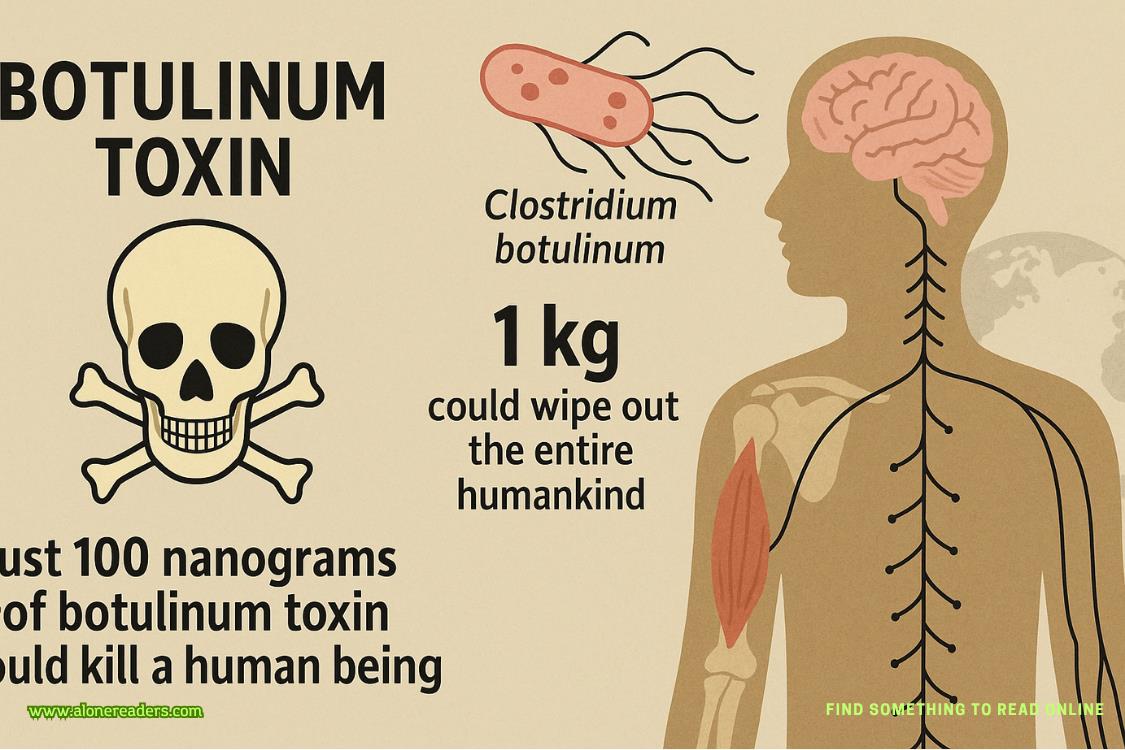
Botulinum toxin, often simply referred to as “Botox” in the context of cosmetic use, is in fact the most lethal substance known to science. Its potency far exceeds any other known natural or synthetic toxin, with just 100 nanograms—an amount so small it is invisible to the naked eye—being sufficient to cause death in an average adult human. To put this into perspective, a single kilogram of purified botulinum toxin would be enough to kill the entire human population, making it a substance that commands both awe and extreme caution.
Botulinum toxin is produced by the bacterium Clostridium botulinum, an organism that thrives in low-oxygen environments. This bacterium can be found naturally in soil, untreated water, and occasionally in improperly preserved foods. The toxin itself is a neurotoxin, meaning it specifically targets nerve cells. It blocks the release of acetylcholine, a neurotransmitter essential for muscle contraction. Once acetylcholine release is inhibited, the affected muscles become paralyzed, including those required for breathing, which can quickly lead to death if left untreated. The estimated human median lethal dose (LD50) of botulinum toxin is around 1 ng/kg when injected and 10-13 ng/kg when inhaled or ingested, which is an almost unimaginably small quantity.
Despite its fearsome reputation, botulinum toxin also has a fascinating dual life as both a threat and a tool. In minute, highly controlled doses, it is used in medicine to treat a variety of conditions including chronic migraines, muscle spasticity, excessive sweating, and of course, to reduce wrinkles by temporarily paralyzing facial muscles. The transformation of this deadly molecule into a therapeutic agent is a triumph of modern medicine and pharmacology. In its medical and cosmetic form, it is diluted to such a degree that it is considered safe under professional supervision. Nevertheless, the gap between a therapeutic and a toxic dose is extremely narrow, which is why handling and administration are strictly regulated.
The history of botulinum toxin begins with outbreaks of botulism, a severe and often fatal illness that was first observed in the late 18th and early 19th centuries. Botulism was initially associated with “sausage poisoning,” as the conditions in poorly preserved sausages provided a perfect breeding ground for Clostridium botulinum. It wasn’t until the late 19th century that the bacterium and its toxin were identified and named. The word “botulinum” is derived from the Latin word “botulus,” meaning sausage. Since then, understanding of the toxin has grown, as has the capacity to control and study it in laboratory settings.
What makes botulinum toxin especially concerning from a public health and security perspective is its potential use as a biological weapon. Its extreme potency means that very small amounts could cause mass casualties if disseminated through air, water, or food. Several nations and groups have explored the weaponization of botulinum toxin, particularly during the 20th century. However, its use as a weapon is complicated by the technical challenges of handling such a potent substance safely, as well as the rapid response required to prevent catastrophic accidental exposure.
Botulinum toxin exposure most commonly occurs through foodborne botulism, wound botulism, and infant botulism. Foodborne botulism typically results from the consumption of contaminated, improperly canned, or preserved foods. In the body, the toxin is absorbed through the gut and spreads via the bloodstream, leading to the classic symptoms of muscle weakness, difficulty swallowing and speaking, and respiratory failure in severe cases. Wound botulism, which is rarer, results when C. botulinum infects a wound and produces the toxin in situ. Infant botulism occurs when spores are ingested (often through honey or dust) and germinate in the immature gut of an infant, leading to toxin production and paralysis.
Diagnosis of botulinum toxin exposure is a medical emergency. Early signs include blurred vision, drooping eyelids, slurred speech, dry mouth, and muscle weakness that descends through the body. If untreated, the paralysis can extend to the diaphragm and other muscles essential for breathing, resulting in death from respiratory failure. The primary treatment is the administration of an antitoxin, which can neutralize circulating toxin but cannot reverse paralysis already established. Supportive care, especially mechanical ventilation, is often required for severe cases, and full recovery may take weeks to months as nerves slowly regenerate.
The staggering lethality of botulinum toxin has prompted strict regulations worldwide regarding its handling, storage, and use. In the United States, botulinum toxin is classified as a select agent, requiring stringent licensing and security measures in labs and medical facilities. The manufacture of therapeutic botulinum toxin products is carefully monitored, with elaborate safety protocols to prevent accidental exposure or diversion. Public health agencies around the globe also maintain stockpiles of antitoxin and are prepared to respond to potential outbreaks or incidents involving botulinum toxin.
Despite its dangerous nature, botulinum toxin is a molecule of contradictions. In the wrong hands or under accidental circumstances, it poses an existential threat to human life, unmatched by any other toxin or poison. Yet, in the hands of skilled professionals, it becomes a versatile medical tool, providing relief for conditions ranging from neurological disorders to cosmetic imperfections. This duality underscores the importance of ongoing research, public education, and robust safety protocols to ensure that society continues to benefit from its therapeutic potential while minimizing the ever-present risks.
The story of botulinum toxin serves as a reminder of the delicate balance between danger and benefit that pervades the world of biology and medicine. The same substance that could annihilate humanity is used every day in clinics and hospitals around the world to enhance quality of life. As science advances, our ability to harness such potent natural compounds for good will only increase, provided we maintain vigilance and respect for their potential hazards. The legacy of botulinum toxin is a powerful lesson in both the marvels and the perils that nature holds, and a testament to human ingenuity in transforming peril into progress.



 Château de Vincennes: France’s Forgotten Royal Fortress and Medieval Stronghold
 Château de Carcassonne: Europe’s Greatest Medieval Citadel and Fortress
 Château de Chenonceau: The Castle Built by Remarkable Women
 Château de Chambord: France’s Magnificent Renaissance Castle and Architectural Wonder
 Tehri Dam: India's Tallest Dam and the Debate Behind It
 Bhakra Nangal Dam: India's Temple of Modern Development