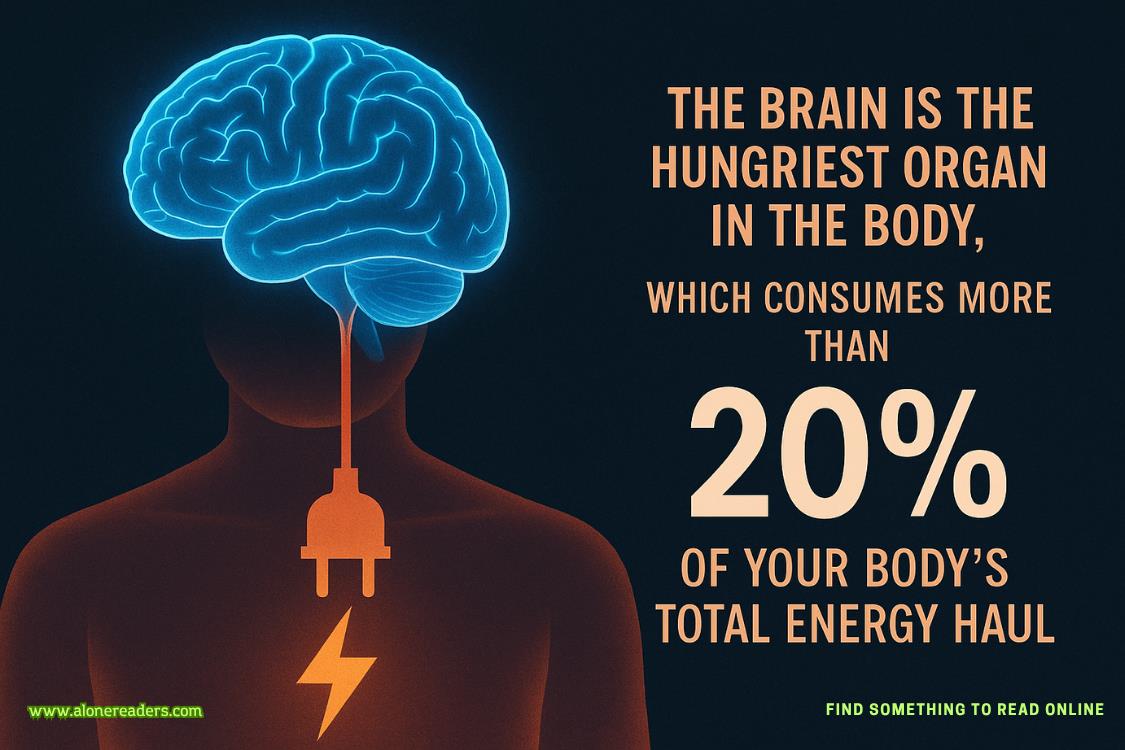
The human body is a marvel of engineering, with each organ performing vital tasks that keep us alive and thriving. Yet among all organs, the brain stands out as the most voracious consumer of energy. Despite accounting for only about 2% of an adult’s body weight, the brain uses more than 20% of the body’s total energy supply. This disproportionate hunger for energy has intrigued scientists for centuries, raising questions about what exactly makes the brain such an energy guzzler, how it manages this energy, and what the implications are for human health and cognitive performance.
To understand the significance of this energy demand, it helps to first appreciate the brain’s role. The brain serves as the command center for the nervous system, orchestrating everything from conscious thought and reasoning to automatic processes like heartbeat, breathing, and digestion. Even when the body is at rest, the brain remains active, processing information, consolidating memories, and maintaining a delicate balance between different bodily systems. This constant activity requires a steady and substantial influx of fuel.
The brain’s primary source of energy is glucose, a simple sugar derived from the food we eat. Neurons, the specialized cells that transmit electrical and chemical signals throughout the brain, rely almost exclusively on glucose to function. While the body’s muscles and other tissues can utilize fats and proteins as alternative energy sources when needed, the brain’s ability to use these alternatives is extremely limited. This dependency on glucose explains why symptoms such as dizziness, confusion, or even loss of consciousness can occur if blood sugar levels drop too low—a condition known as hypoglycemia. The brain quite literally cannot afford to run low on fuel.
The breakdown of how the brain uses its energy is also fascinating. The majority of the brain’s energy consumption is devoted not to the creation of new cells or structural maintenance, but to communication. Neurons communicate with each other via electrical impulses and chemical signals across tiny gaps called synapses. Every thought, memory, movement, and sensation you experience is the result of countless neurons firing in intricate patterns. Maintaining these electrical charges and resetting them after each signal requires enormous amounts of energy, primarily to fuel the sodium-potassium pumps embedded in neuronal membranes. In fact, about 60-80% of the brain’s total energy expenditure goes into powering these electrical signals.
Energy is also required for processes such as synthesizing neurotransmitters, the chemicals that enable neurons to talk to one another. Additionally, the brain uses energy to support cellular maintenance, repair damaged structures, and maintain the blood-brain barrier—a critical defense that protects the brain from harmful substances in the bloodstream. Even during sleep, the brain is active, consolidating memories and performing “housekeeping” tasks such as clearing metabolic waste, which recent research suggests may help prevent neurodegenerative diseases like Alzheimer’s.
The high energy demand of the brain begins early in life. In infants and young children, the percentage of total energy devoted to brain function is even higher—sometimes up to 50-60%. This reflects the rapid brain growth and development occurring during early childhood. As the brain matures, its relative share of the energy budget decreases but remains high throughout life, underscoring its critical importance.
One might wonder how such a small organ can sustain such a high energy throughput. The brain is densely packed with blood vessels that deliver a continuous supply of oxygen and glucose. At any given moment, about 15% of the blood pumped by the heart is destined for the brain. If blood flow to the brain is interrupted even for a few minutes—as in the case of a stroke—neurons begin to die from lack of energy, leading to irreversible brain damage. This sensitivity to energy supply makes the brain both incredibly powerful and surprisingly vulnerable.
Evolutionary biologists believe that the human brain’s extraordinary energy consumption is a hallmark of our species’ unique cognitive abilities. As humans evolved larger and more complex brains, capable of advanced reasoning, language, and social interaction, the metabolic cost of maintaining such a brain increased. Some theories propose that dietary changes—such as the introduction of cooked foods and higher-calorie diets—were essential in supporting the metabolic needs of an ever-growing brain. This “expensive tissue hypothesis” suggests that, in order to fuel bigger brains, humans evolved smaller guts and spent less energy on digestion, reallocating resources to brain development.
The consequences of the brain’s energy requirements are evident in daily life. When we concentrate deeply on a complex problem, learn new skills, or adapt to changing circumstances, we may feel mentally exhausted, even if we’ve barely moved our bodies. While the total calories burned by thinking alone may not be enough for significant weight loss, intense cognitive work does cause a measurable uptick in glucose consumption in specific brain regions. This is the basis for functional brain imaging techniques such as PET scans, which track glucose metabolism to map areas of brain activity.
Understanding the brain’s energy needs also has practical implications for health and disease. In conditions such as Alzheimer’s disease, Parkinson’s disease, and other forms of dementia, brain cells become less efficient at utilizing glucose, leading to energy deficits and cell death. Some research suggests that diets rich in healthy fats, antioxidants, and low-glycemic carbohydrates can help support brain energy metabolism and protect against age-related decline. In diabetes, where blood sugar levels are poorly controlled, episodes of hypoglycemia or chronic high blood sugar can both harm cognitive function and increase the risk of neurodegeneration.
Physical exercise has been shown to improve blood flow and promote the release of growth factors that enhance neuronal energy metabolism and synaptic plasticity—the brain’s ability to adapt and learn. Likewise, adequate sleep is essential for maintaining optimal energy use in the brain, as sleep deprivation disrupts glucose metabolism and impairs cognitive performance. Chronic stress, on the other hand, can deplete brain energy reserves and damage structures involved in learning and memory.
Nutrition plays a central role in supporting the brain’s relentless energy needs. A balanced diet that provides steady glucose from complex carbohydrates, healthy fats for neuron membranes, and micronutrients like B vitamins, magnesium, and iron is crucial for maintaining mental sharpness and resilience. Dehydration can also sap brain energy and impair focus, so adequate fluid intake is vital for peak cognitive performance.
Recent scientific research is shedding light on alternative energy sources for the brain. In times of prolonged fasting or low-carbohydrate diets, the brain can adapt to use ketone bodies—molecules derived from fat—as an alternative fuel. This metabolic flexibility may have implications for brain health and the management of neurological disorders, though more research is needed to fully understand the risks and benefits of such dietary strategies.
The brain’s enormous energy consumption is both a testament to its power and a reminder of its fragility. Our ability to reason, create, remember, and connect with others comes at a metabolic cost that must be carefully managed throughout life. While we may take our brain’s performance for granted, supporting its energy needs through healthy lifestyle choices is one of the most effective ways to preserve cognitive health, boost productivity, and enhance overall quality of life.
In the end, the fact that the brain is the hungriest organ in the body is not just a biological curiosity. It is a call to respect and nurture our most vital asset, providing it with the fuel, rest, and care it requires to help us live, learn, and thrive in an increasingly complex world. Whether you’re a student, a professional, or someone simply seeking to maintain sharpness in later years, understanding and supporting your brain’s energy metabolism is essential. The next time you feel tired after an intense mental effort, remember—it’s your brain, the ultimate energy guzzler, reminding you that thinking itself is hard work.



 Château de Vincennes: France’s Forgotten Royal Fortress and Medieval Stronghold
 Château de Carcassonne: Europe’s Greatest Medieval Citadel and Fortress
 Château de Chenonceau: The Castle Built by Remarkable Women
 Château de Chambord: France’s Magnificent Renaissance Castle and Architectural Wonder
 Tehri Dam: India's Tallest Dam and the Debate Behind It
 Bhakra Nangal Dam: India's Temple of Modern Development










