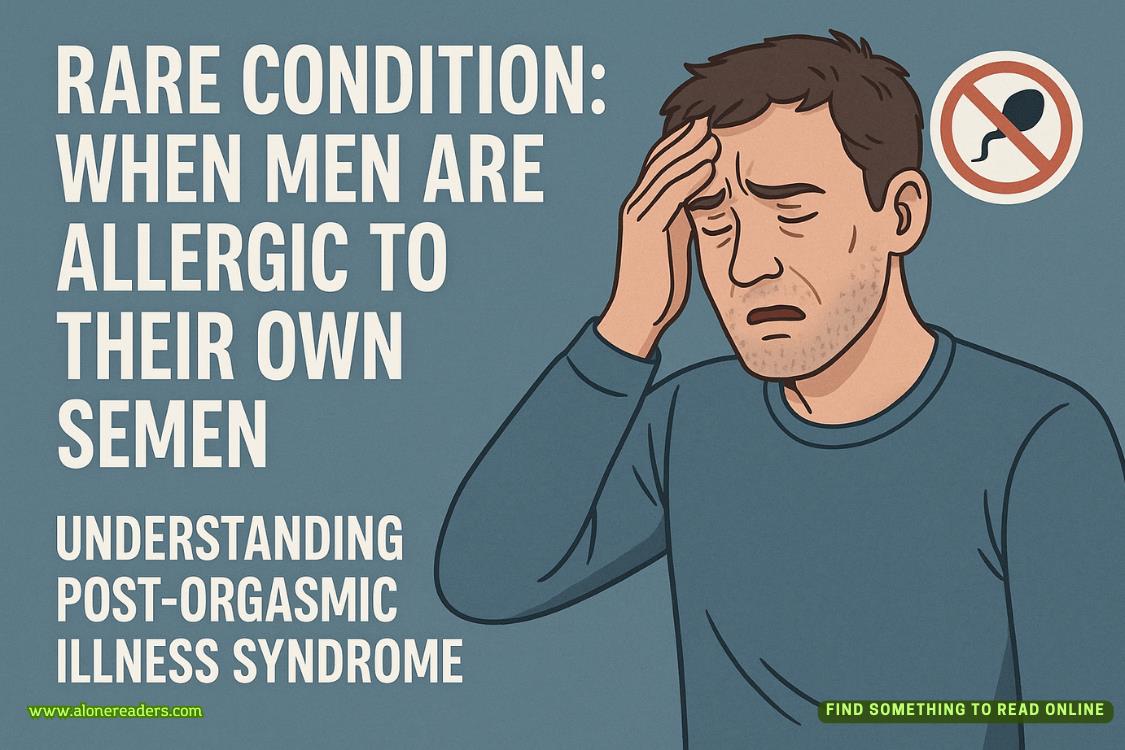
Some medical conditions are so rare and unusual that they sound almost unbelievable until you explore the research behind them. One such disorder is post-orgasmic illness syndrome, or POIS, a condition in which some men experience severe flu-like symptoms after ejaculation. For those affected, what should be a natural and pleasurable experience becomes followed by days or even a week of debilitating symptoms that mirror viral infections such as fever, fatigue, headaches, and muscle pain. Medical experts have described this syndrome as one of the rarest and least understood sexual health conditions in men, but growing attention in recent years has started to uncover both its physiological and psychological impacts.
Post-orgasmic illness syndrome was first formally recognized in medical literature in the early 2000s, though scattered reports had surfaced before that. The defining feature of the condition is a consistent and repeatable onset of symptoms immediately after ejaculation, regardless of whether it occurs through sexual intercourse, masturbation, or even nocturnal emissions. The flu-like reaction includes fatigue, brain fog, itchy eyes, nasal congestion, sweating, irritability, and general malaise. These symptoms typically begin within minutes to hours after orgasm and can persist for two to seven days, sometimes longer. For men living with POIS, this creates an ongoing cycle of distress where intimacy and sexual release are followed by extended periods of physical discomfort.
One of the most striking hypotheses about the cause of POIS is that it may be related to an autoimmune or allergic reaction to the individual’s own semen. In this theory, the immune system mistakenly identifies proteins in semen as foreign invaders and launches an inflammatory response. Skin prick tests conducted in some medical studies have shown that men with POIS often react to their own semen when exposed to it on the skin. This strengthens the idea of a self-allergy, which is exceptionally rare in human biology. Other possible causes include hormonal imbalances, neurochemical dysfunction, or irregularities in the autonomic nervous system. Despite years of small-scale studies, no single cause has been definitively proven, leaving the condition a mystery that challenges conventional medical understanding.
The psychological burden of POIS cannot be underestimated. Many affected men report feelings of isolation, embarrassment, and shame, often hesitating to seek medical help due to the intimate nature of the symptoms. Since the syndrome is rare, even doctors may dismiss complaints as psychosomatic or stress-related. For patients, this lack of recognition can deepen frustration and discourage them from pursuing diagnosis and treatment. In addition, the condition can strain relationships and intimacy, as men may avoid sexual activity altogether to prevent the subsequent illness phase. This creates a ripple effect on mental health, self-esteem, and personal connections.
Current treatment options for POIS remain experimental and highly individualized. Some men have found limited relief through antihistamines, which aim to reduce allergic responses, or through nonsteroidal anti-inflammatory drugs that target the inflammatory process. Others have been prescribed antidepressants, benzodiazepines, or selective serotonin reuptake inhibitors (SSRIs), which attempt to address possible neurochemical factors. In extreme cases, some patients have undergone hyposensitization therapy, where small amounts of their own semen are injected to build tolerance over time. While early reports suggest partial success, this treatment is still experimental and carries risks. Hormonal therapies, including testosterone supplementation, have also been explored, though results vary widely.
Living with POIS requires careful lifestyle adjustments. Many men track their symptoms, abstain from frequent sexual activity, or schedule intimacy around work and personal commitments to minimize disruptions. Online communities and support groups have become crucial in spreading awareness and providing validation for those affected. Sharing experiences helps normalize the condition and reassures men that they are not alone in facing something so uncommon. Increased awareness has also encouraged more research into POIS, with hopes that deeper studies may unlock clearer answers and targeted therapies.
The rarity of POIS means that most people have never heard of it, and even medical professionals may go their entire careers without encountering a case. However, its existence underscores the complexity of human physiology and the wide spectrum of disorders that can affect sexual health. Sexual well-being is deeply tied to both physical and emotional quality of life, and conditions like POIS demonstrate how fragile that balance can be. As awareness grows, the medical community has an opportunity to invest more resources in studying this disorder, validating the experiences of patients, and developing treatments that go beyond trial-and-error.
Another interesting aspect of POIS is its role in broadening the understanding of allergies and autoimmune conditions. If the immune system can mistakenly target semen, it raises further questions about how the body differentiates between self and non-self in complex systems. Studying POIS could provide insights that extend beyond sexual health and into immunology, neurology, and endocrinology. Just as research into rare diseases has historically shed light on broader biological mechanisms, POIS may offer knowledge that helps patients with other immune-related conditions.
From a social perspective, the rarity and sensitivity of the disorder mean that open conversations are limited. Unlike other sexual health issues that are gradually gaining mainstream recognition, POIS remains on the fringe of awareness. By bringing it into discussion, society can challenge stigma and normalize the idea that male sexual health deserves the same level of care and research as other conditions. The more awareness spreads, the more likely it becomes that healthcare systems will prioritize investigations into such overlooked disorders.
In conclusion, post-orgasmic illness syndrome stands as one of the most unusual and challenging male health conditions known today. For men who experience it, the aftermath of ejaculation is not pleasure but prolonged illness that can disrupt daily life for days at a time. While the exact causes remain uncertain, theories suggest an autoimmune or allergic reaction to semen itself, alongside other hormonal or neurological possibilities. Treatment is still largely experimental, but increasing awareness has sparked growing research interest and support networks that bring hope to those affected. What was once dismissed as a psychological oddity is now recognized as a genuine medical condition with profound impacts on quality of life. With further study and compassion from the medical community, the future may hold more effective ways to diagnose, treat, and ultimately relieve the burden of POIS for the men who endure it.



 Château de Vincennes: France’s Forgotten Royal Fortress and Medieval Stronghold
 Château de Carcassonne: Europe’s Greatest Medieval Citadel and Fortress
 Château de Chenonceau: The Castle Built by Remarkable Women
 Château de Chambord: France’s Magnificent Renaissance Castle and Architectural Wonder
 Tehri Dam: India's Tallest Dam and the Debate Behind It
 Bhakra Nangal Dam: India's Temple of Modern Development