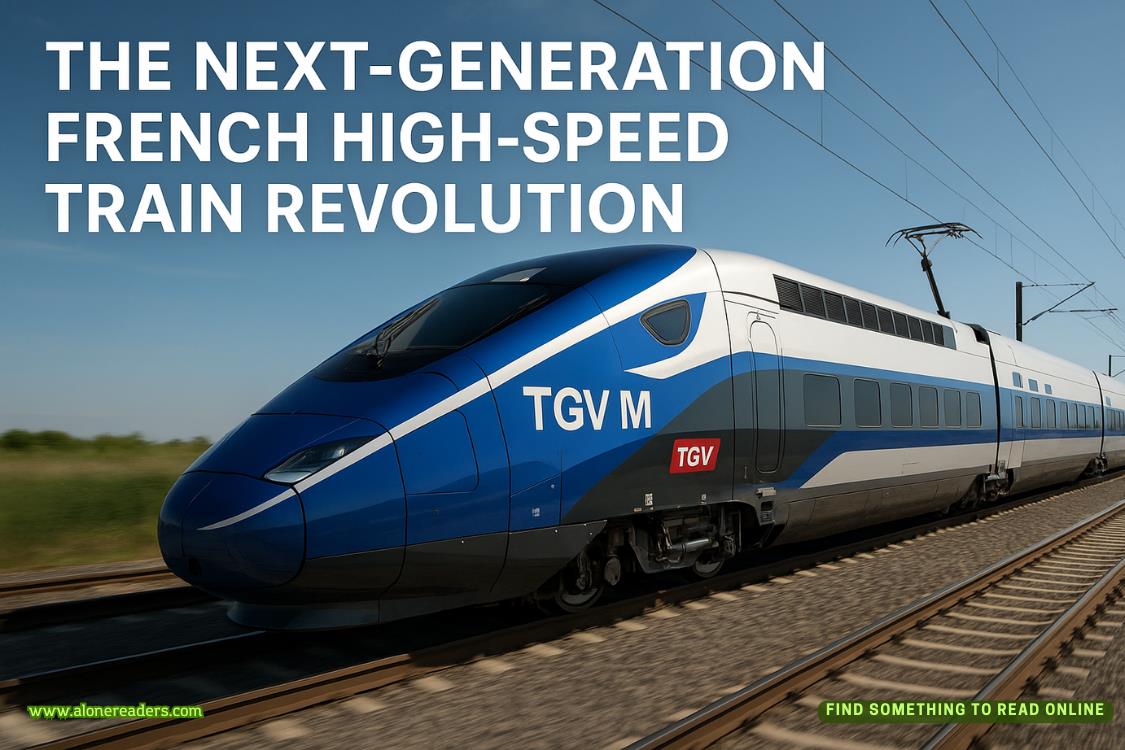
The TGV M, short for “Train à Grande Vitesse du futur,” is France’s bold new step into the future of high-speed rail transport. Announced by SNCF and built in collaboration with Alstom, this cutting-edge train is set to redefine both passenger comfort and sustainable engineering. France has long been a pioneer in high-speed rail with the TGV, first launched in 1981, and the TGV M represents a generational leap forward. With its sleek aerodynamic design, modular construction, and impressive energy efficiency, the TGV M is designed not just as a train, but as a long-term solution for greener, faster, and more adaptable European rail travel. Its entry into service, expected in the mid-2020s, marks a turning point for sustainable transport in France and beyond.
One of the most striking features of the TGV M is its aerodynamic form, which reduces drag significantly compared to its predecessors. The nose has been carefully engineered to slice through the air, enabling higher efficiency and reduced noise levels. The train is designed to achieve speeds of up to 320 km/h, putting it in line with current TGV speeds but with vastly improved efficiency. Engineers estimate that it will consume 20% less energy than existing TGVs thanks to aerodynamic improvements, lighter materials, and advanced traction systems. This translates into lower operating costs for SNCF while delivering the same world-class performance travelers expect.
Sustainability is at the heart of the TGV M project. Unlike earlier models, which were built for sheer performance, this new generation is designed with a carbon footprint reduction in mind. Its structure is composed of 97% recyclable materials, a remarkable achievement for such a complex machine. This aligns with France’s commitment to the European Union’s sustainability targets and global efforts to reduce emissions in transportation. The train is also 100% electric, powered by France’s relatively low-carbon energy grid, meaning that its ecological footprint will be a fraction of that of air travel over similar distances. This eco-conscious design ensures that the TGV M is not just a transport solution but a symbol of green innovation.
Flexibility is another area where the TGV M sets itself apart. Its modular interior can be configured to suit different passenger demands, making it adaptable for both high-density and comfort-oriented services. For example, carriages can be reconfigured to add more seats for peak travel periods or offer more spacious arrangements for business travelers and long-distance routes. The train is designed with universal accessibility in mind, providing easier boarding for passengers with reduced mobility. Wider doors, level entry platforms, and increased onboard amenities make the TGV M not only faster but more inclusive. This versatility means SNCF can adjust train layouts without expensive refurbishments, extending the service life of each unit.
Passenger comfort has been prioritized like never before. The TGV M features larger windows for panoramic views, improved lighting that adjusts throughout the day, and better sound insulation to reduce cabin noise at high speeds. The onboard Wi-Fi system has been upgraded to deliver seamless connectivity, essential for modern travelers. Energy-efficient air conditioning and heating systems ensure a comfortable ride regardless of the season, while ergonomic seating makes long journeys more pleasant. This focus on comfort positions the TGV M as a direct competitor not just to airlines but to other forms of premium ground transport across Europe.
Economically, the TGV M represents a significant cost-saving initiative for SNCF. Thanks to its lightweight construction and reduced energy consumption, operating costs are projected to drop by at least 30%. Maintenance has also been simplified with digital diagnostic systems, allowing predictive servicing rather than reactive repairs. This means trains spend more time in operation and less time in the depot. The modular design also ensures that each trainset can be easily updated with new technologies over its lifespan, extending its usability for decades without full replacements. This long-term cost efficiency will benefit both the operator and passengers, who can expect more affordable tickets.
France’s decision to invest in the TGV M also highlights the ongoing rivalry between high-speed rail and air travel. For decades, airlines have competed fiercely with high-speed trains on medium-distance routes within Europe. The TGV M, with its reduced carbon emissions, competitive journey times, and improved passenger experience, is designed to tip the balance further in favor of rail. For example, routes such as Paris–Lyon, Paris–Bordeaux, and Paris–Marseille are expected to see even stronger demand as the TGV M makes train travel more appealing than short-haul flights. This shift supports Europe’s broader strategy to reduce reliance on domestic flights and promote rail as the backbone of sustainable mobility.
Internationally, the TGV M also has export potential. Alstom, the French train manufacturer behind the project, has already positioned itself as a global leader in high-speed rail technology. The lessons learned from TGV M could inform next-generation trains in other countries seeking greener transport options. The modular concept in particular could be adapted for markets in Asia, the Middle East, and North America, where rail networks are expanding. In this sense, TGV M is not just a French project but a model for future global rail systems.
From a passenger perspective, the TGV M also integrates smart technologies that align with modern travel expectations. The train incorporates advanced digital systems for operations, including real-time monitoring, automated braking, and enhanced safety protocols. Passengers will benefit from smarter ticketing systems and apps that provide real-time updates on journey progress, connections, and onboard services. These digital enhancements bridge the gap between traditional rail travel and the connected mobility ecosystem of the future.
The cultural significance of the TGV M cannot be understated. The TGV has long been a symbol of French engineering excellence, and the new model extends this legacy. Just as the Concorde once represented the pinnacle of aviation, the TGV M now stands as a flagship for modern European rail. Its design has been carefully styled to project both speed and elegance, ensuring that it not only performs exceptionally but also looks iconic. In an era where branding and passenger perception play a crucial role in transport success, this aesthetic appeal is an important factor.
The TGV M is more than a technological upgrade—it is a reflection of how France and Europe envision the future of transportation. It represents speed with responsibility, progress with sustainability, and efficiency with comfort. As it begins operations in the coming years, it is expected to inspire a new generation of travelers to embrace rail not just as a mode of transport but as a lifestyle choice. With climate change at the forefront of global challenges, the TGV M offers a concrete solution that balances human mobility with environmental stewardship.
In conclusion, the TGV M embodies the future of rail travel: faster, greener, and more adaptable than ever before. With its aerodynamic design, reduced energy consumption, modular interiors, and focus on passenger comfort, it delivers on every front. Economically efficient and environmentally responsible, it positions France at the cutting edge of sustainable transportation. More than just a train, the TGV M is a statement of intent—a demonstration that high-speed rail can continue to lead the way in a world where mobility must align with climate responsibility. As the next-gen French speed machine prepares to roll out, it carries with it the legacy of the TGV and the promise of a future where technology and sustainability ride hand in hand.



 Château de Vincennes: France’s Forgotten Royal Fortress and Medieval Stronghold
 Château de Carcassonne: Europe’s Greatest Medieval Citadel and Fortress
 Château de Chenonceau: The Castle Built by Remarkable Women
 Château de Chambord: France’s Magnificent Renaissance Castle and Architectural Wonder
 Tehri Dam: India's Tallest Dam and the Debate Behind It
 Bhakra Nangal Dam: India's Temple of Modern Development










