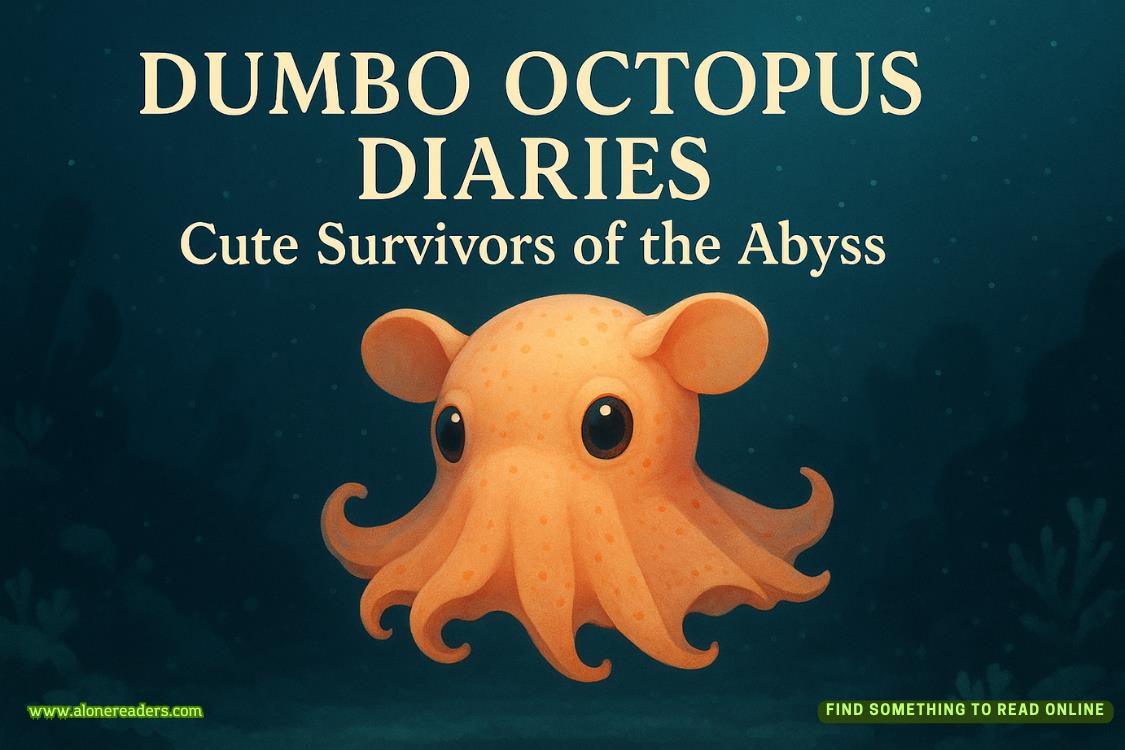
The deep ocean is often described as the final frontier on Earth, a realm of crushing pressure, perpetual darkness, and alien landscapes. Among the many mysterious inhabitants of this hidden world, the dumbo octopus stands out not only for its resilience but also for its undeniable charm. With ear-like fins resembling the beloved Disney elephant, the dumbo octopus has captured the curiosity of scientists and the imagination of the public. Despite its adorable appearance, this creature is a master of survival in one of the most inhospitable environments on the planet.
Living at depths between 3,000 and 13,000 feet below the surface, dumbo octopuses inhabit regions rarely touched by sunlight. At these depths, water pressure is immense, temperatures are near freezing, and food is scarce. Yet, these cephalopods have evolved a suite of adaptations that allow them not only to endure but to thrive. Their gelatinous bodies lack the rigid structure found in shallow-water relatives, enabling them to withstand crushing pressure without collapsing. Their fins, which flap gracefully like wings, give them an elegant form of locomotion suited to energy conservation in a habitat where resources are limited.
Unlike many octopus species that rely on speed or camouflage to evade predators, dumbo octopuses rely on stealth and patience. Their hunting strategy is finely tuned to the abyssal environment. Floating slowly above the seafloor, they search for small crustaceans, worms, and other invertebrates. Instead of using tentacles to chase prey, they pounce directly on their meals, swallowing them whole. This efficient method reduces the need for high-energy pursuits, conserving precious calories in an environment where every morsel counts.
Another remarkable feature of dumbo octopuses is their reproductive strategy. Unlike species that breed seasonally, dumbo octopuses are “continuous spawners,” capable of producing eggs year-round. Females carry eggs in different stages of development, releasing them individually when conditions allow. This ensures that even in the unpredictable deep sea, new generations have a steady chance of survival. The eggs are attached to rocks or other stable surfaces, providing protection until hatching. The young emerge fully formed and independent, already miniature versions of the adults, ready to face the challenges of their abyssal home.
The dumbo octopus also exemplifies how life adapts to the absence of light. With no need for complex camouflage or vivid coloration, their bodies are usually pale, ranging from soft whites to pinks and browns. Their large eyes, however, remain critical. While light is virtually nonexistent at such depths, bioluminescence is common among deep-sea organisms. Dumbo octopuses use their sensitive vision to detect the faint glow of other creatures, helping them navigate and avoid danger. Their keen perception allows them to move cautiously and exploit subtle cues in an environment where survival depends on sensing the smallest opportunities.
Perhaps what makes dumbo octopuses so fascinating to humans is the way they bridge the gap between alien and familiar. They embody the strangeness of deep-sea evolution, yet their fins, so reminiscent of cartoon ears, give them an almost whimsical quality. Videos captured by deep-sea submersibles often go viral because the sight of a dumbo octopus drifting serenely in the darkness evokes both wonder and delight. In a world where deep-sea creatures often appear monstrous or intimidating, the dumbo octopus reminds us that beauty and gentleness also exist in the abyss.
The study of dumbo octopuses has only become possible in recent decades, thanks to technological advances in remotely operated vehicles (ROVs) and submersibles. These tools allow scientists to descend thousands of feet and capture rare glimpses of life forms that were once beyond reach. Each encounter adds to our understanding of how ecosystems function in the deep sea. By observing dumbo octopuses in their natural environment, researchers gain insights into their behavior, feeding patterns, and reproductive habits. Such knowledge is invaluable, not only for marine biology but also for understanding the resilience of life itself.
Despite their resilience, dumbo octopuses and other deep-sea creatures are not immune to human impact. Deep-sea mining, climate change, and pollution pose growing threats to these fragile ecosystems. Sediment plumes from mining operations can smother the seafloor, disrupting habitats and food sources. Rising ocean temperatures and acidification can alter the delicate balance that species like the dumbo octopus depend upon. While these creatures have survived for millions of years in extreme conditions, the accelerated pace of human-induced change represents a new kind of challenge. Protecting them requires both international cooperation and a commitment to preserving the largely unexplored wilderness of the deep.
The dumbo octopus stands as a symbol of adaptability and survival. Its ability to flourish in a realm hostile to most life reflects the remarkable resilience of nature. Yet, it also highlights how much we still have to learn. Each dive into the abyss reveals new secrets and sparks new questions. How do dumbo octopuses communicate? What role do they play in the broader food web of the deep sea? How many species remain undiscovered, hidden in the darkness?
In many ways, the dumbo octopus represents both the culmination and the beginning of exploration. It shows us how life bends and stretches to occupy every corner of Earth, no matter how harsh. At the same time, it reminds us that the ocean’s depths remain a frontier filled with mysteries waiting to be uncovered. For every dumbo octopus filmed by an ROV, countless others glide unseen, living out their lives in silence, far beyond the reach of human eyes.
The diaries of the dumbo octopus are written not in words but in graceful movements, in quiet resilience, and in the continuation of life against all odds. To study them is to glimpse the profound adaptability of evolution. To protect them is to recognize that the wonders of the abyss are part of our shared heritage. As long as they endure, fluttering their ear-like fins in the eternal night, the dumbo octopuses of the deep remind us that even in the harshest places, life can still be both fragile and beautiful.



 Château de Vincennes: France’s Forgotten Royal Fortress and Medieval Stronghold
 Château de Carcassonne: Europe’s Greatest Medieval Citadel and Fortress
 Château de Chenonceau: The Castle Built by Remarkable Women
 Château de Chambord: France’s Magnificent Renaissance Castle and Architectural Wonder
 Tehri Dam: India's Tallest Dam and the Debate Behind It
 Bhakra Nangal Dam: India's Temple of Modern Development