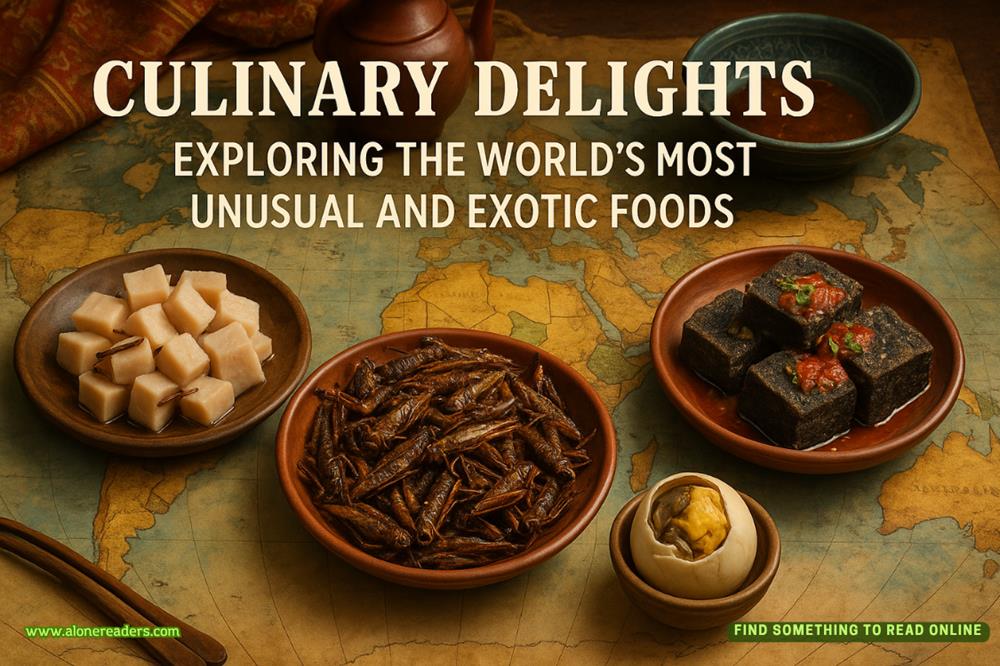
Every culture on Earth has its own culinary traditions, reflecting centuries of geography, necessity, and creativity. What seems “unusual” to one person might be an everyday delicacy to another. From fermented seafoods of the Arctic to insect-based snacks of Southeast Asia, these foods are not mere curiosities—they are integral to cultural identity, local ecology, and survival. This exploration of unusual foods around the world unveils the fascinating reasons behind their existence, preparation, and enduring popularity.
A centuries-old survival food turned national delicacy
In the harsh climate of Iceland, preservation was once a matter of life and death. Hákarl, or fermented shark, originated as a method to make the toxic Greenland shark edible. The shark’s flesh, naturally rich in urea and trimethylamine oxide, must be buried in gravelly sand for several weeks, then hung to dry for months. The result is a pungent, ammonia-scented meat often described as an acquired taste. Modern Icelanders eat it during midwinter festivals, accompanied by the local schnapps “brennivín.” To Icelanders, it is not a novelty but a symbol of endurance and respect for tradition.
A dangerous delicacy demanding mastery
In Japan, few dishes symbolize the balance between danger and precision like fugu, the infamous pufferfish. Its organs contain lethal tetrodotoxin, a poison 1,200 times more potent than cyanide. Only licensed chefs, after years of rigorous training, are allowed to prepare it. The fish is sliced into translucent sashimi or served hot in nabe soup. Despite its risks, fugu remains a cultural symbol of daring refinement. Diners who savor it do not simply seek flavor—they seek the thrill of mastery over nature’s hazards, a theme deeply woven into Japanese culinary philosophy.
Life, death, and nourishment in one shell
Balut, a fertilized duck egg containing a partially developed embryo, is one of Southeast Asia’s most debated street foods. Commonly eaten in the Philippines, Vietnam, and Cambodia, balut is boiled and eaten directly from the shell with a pinch of salt or vinegar. The mixture of yolk, broth, and tender chick is said to be rich in protein and fertility-enhancing nutrients. But beyond nutrition, balut represents cultural comfort food—shared at late-night gatherings or roadside stalls. It bridges the gap between tradition and survival, blurring the Western divide between what is “acceptable” and “taboo.”
Alchemy of time and transformation
Century eggs, or pidan, are not literally a hundred years old, but they do spend weeks or months curing in a mixture of clay, lime, and ash. The result is a darkened egg with a translucent amber “white” and creamy gray-green yolk. Its pungent aroma and strong umami flavor make it a delicacy in congee or as a side dish. In Chinese tradition, pidan embodies transformation—the ability of humble ingredients to evolve through patience and chemistry into something transcendent. This concept of controlled fermentation has shaped East Asian cuisine for centuries.
The moving meal of freshness and skill
In South Korea, sannakji—live baby octopus served immediately after cutting—tests both courage and dexterity. The dish’s tentacles still squirm as they are seasoned with sesame oil and salt. For Koreans, sannakji is not just about shock value; it signifies extreme freshness and respect for life’s immediacy. Eating it requires skill to avoid suction-cup mishaps. The subtle flavor and chewy texture are prized, but it’s the ritual itself—alive, raw, authentic—that defines the experience.
A post-war survival food turned national snack
During Cambodia’s Khmer Rouge era, hunger forced rural communities to seek nourishment from any available source. Tarantulas, abundant in the forests, became a crucial protein. Today, fried tarantulas are a beloved street snack—crispy on the outside, tender inside, often seasoned with garlic and salt. Sold in markets across Skuon, “Spiderville,” they symbolize resilience and ingenuity. For tourists, the experience is daring; for Cambodians, it is heritage—proof of how necessity can transform into pride.
The cheese that’s alive
Casu marzu, literally “rotten cheese,” is Sardinia’s most controversial delicacy. Made from sheep’s milk pecorino infested with live fly larvae, the cheese ferments to a creamy, pungent texture. The wriggling larvae accelerate decomposition, creating a rich, spicy flavor cherished by locals. Though banned by the EU for health reasons, it persists in black-market kitchens and rural homes. For Sardinians, casu marzu is not a stunt—it’s a generational tradition representing the deep rural bond between nature, fermentation, and sustenance.
Turning waste into nourishment
Finnish cuisine, shaped by scarcity and long winters, values efficiency and respect for every animal part. Veriohukainen, or blood pancakes, are made by mixing reindeer or pig blood with flour, milk, and spices, then frying them until crisp. Often served with lingonberry jam, this dish merges the metallic richness of blood with the sweetness of berries. It is a testament to Finnish practicality—nothing wasted, everything transformed into warmth and nourishment.
Ant eggs of the Aztec empire
Deep within Mexico’s culinary heritage lies escamoles, the edible larvae of giant black ants harvested from agave roots. Known as “Mexican caviar,” these eggs were once a luxury food for Aztec nobility. They have a buttery, nutty flavor and are often sautéed with onions and chili. Harvesting them is dangerous—farmers must avoid venomous bites and aggressive colonies. Escamoles represent a living link between Mexico’s pre-Columbian traditions and its modern gastronomic innovation, proving that sustainability and heritage can coexist on a plate.
Coffee with a wild twist
Among the world’s most expensive coffees, Kopi Luwak comes from beans eaten and excreted by civet cats. The fermentation that occurs in the animal’s digestive tract enhances flavor smoothness and reduces bitterness. Originating from colonial-era Indonesia, when locals collected undigested beans from civet droppings, it’s now a global luxury. However, ethical debates over civet captivity have encouraged a shift toward wild, sustainable production. Beyond its unusual process, Kopi Luwak reflects the complex intersection of colonial history, ecology, and modern consumerism.
A traditional Andean protein
In the Andean highlands of Peru, Ecuador, and Bolivia, guinea pigs—known locally as cuy—are not pets but an age-old source of protein. Roasted or fried whole, cuy is served during festivals and family gatherings. High in protein and low in fat, it has sustained mountain communities for millennia. To Andean farmers, it is a symbol of abundance and respect for life’s cycles. Tourists may find it shocking, but for locals, cuy embodies cultural continuity and self-reliance.
Nature’s protein powerhouse
In the swamps of Papua New Guinea, sago palms are home to fat, wriggling larvae of the sago beetle. Eaten raw or roasted, these sago grubs are a vital protein source for indigenous communities. Their nutty taste and soft texture make them a survival staple. The dish’s cultural value lies not in novelty but in sustainability—proving that local ecosystems can provide nourishment without industrial agriculture.
Across the world, what defines “food” transcends taste. It reflects survival, ingenuity, and the delicate dance between humans and nature. From fermented shark in Iceland to live octopus in Korea, these foods challenge Western norms while celebrating cultural resilience. Each dish tells a story—of adaptation, respect, and evolution. To embrace unusual foods is to acknowledge the diversity of human experience, the creativity born of necessity, and the shared hunger that binds all cultures.



 Château de Vincennes: France’s Forgotten Royal Fortress and Medieval Stronghold
 Château de Carcassonne: Europe’s Greatest Medieval Citadel and Fortress
 Château de Chenonceau: The Castle Built by Remarkable Women
 Château de Chambord: France’s Magnificent Renaissance Castle and Architectural Wonder
 Tehri Dam: India's Tallest Dam and the Debate Behind It
 Bhakra Nangal Dam: India's Temple of Modern Development